



Vintage Fish Art
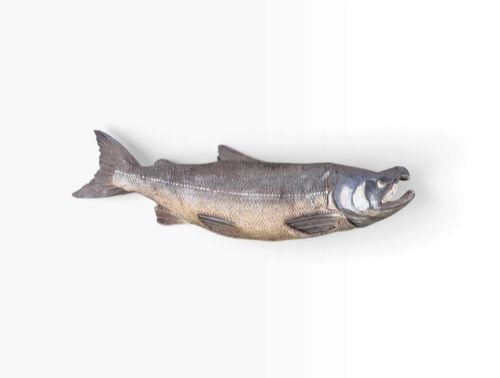
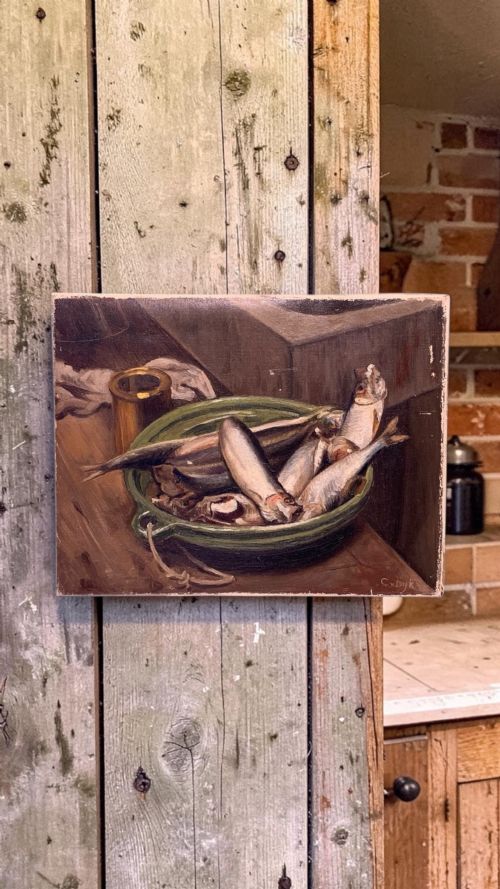
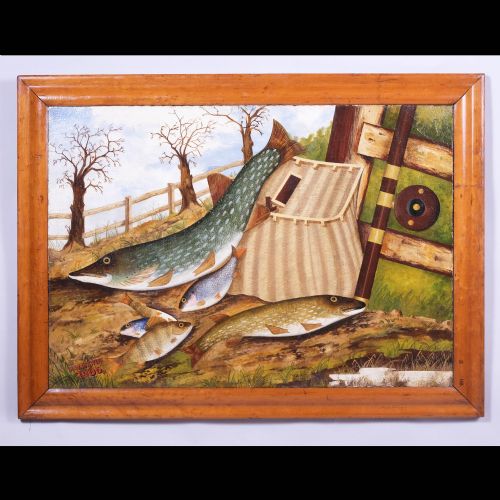
Vintage fish art captures the enduring appeal of marine life and angling subjects through paintings, glass, and carvings.
Vintage Fish Art
When buyers search for vintage fish art, they encounter a diverse selection of pieces ranging from 19th-century watercolours to mid-century oil paintings and glass bowls. The listings on this page include maritime landscapes, detailed studies, and sculptural representations spanning several decades.
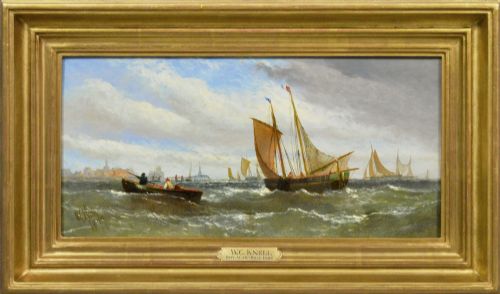
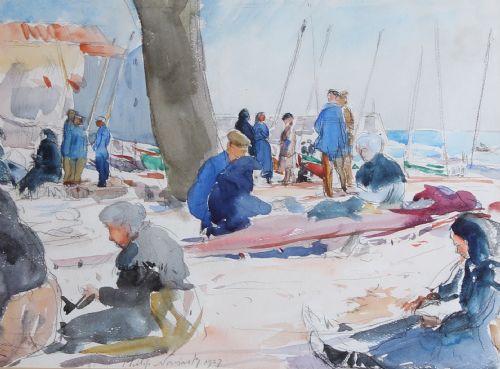
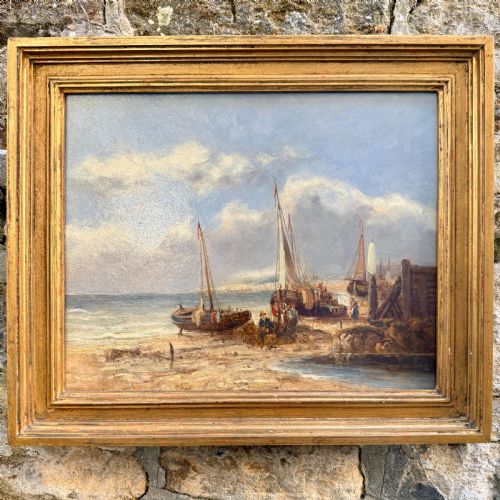
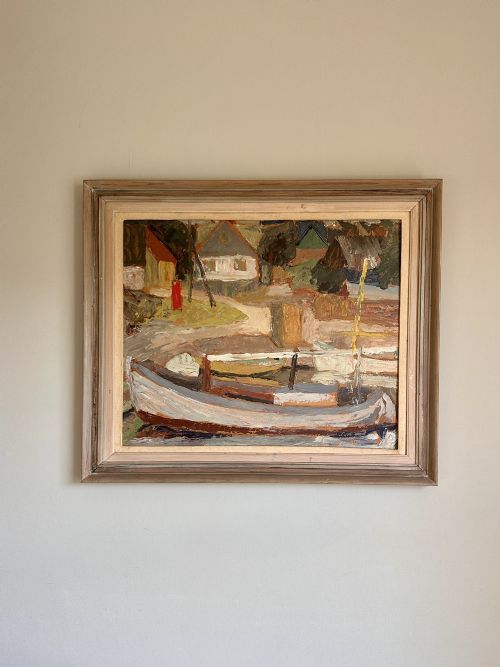
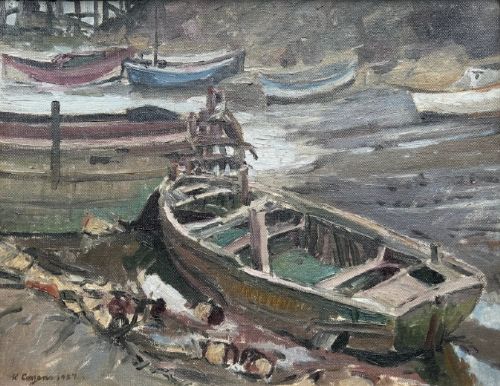
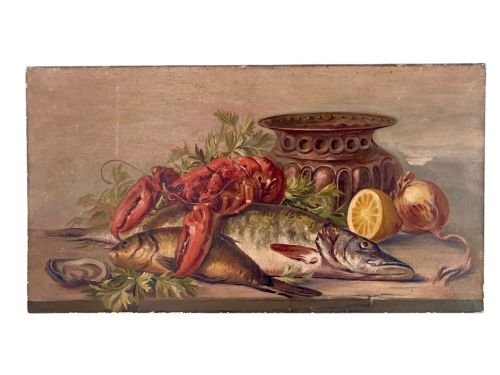
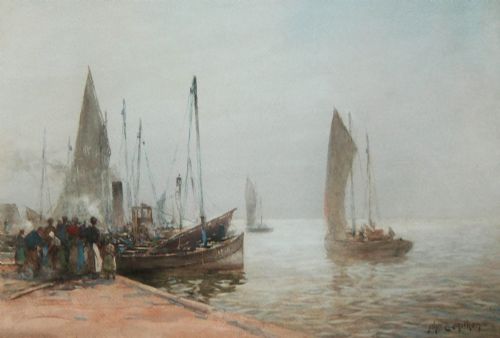
Oil paintings on canvas and board alongside watercolour paintings form the majority of the pictorial works. These depict coastal scenes, harbour views, and fishing boats executed in styles from Victorian marine art to British Impressionism.
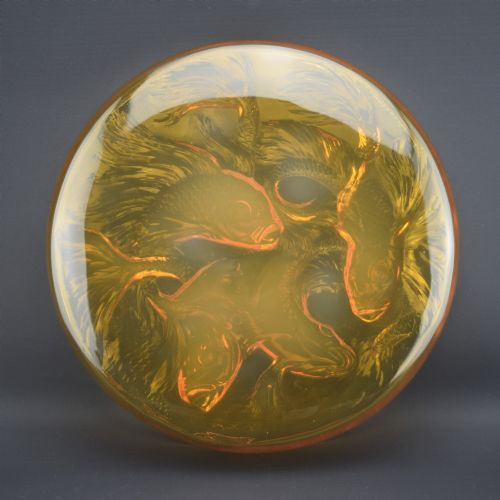
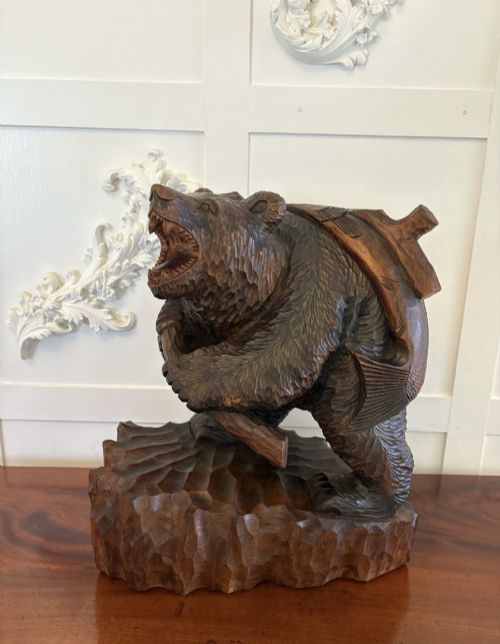
Three-dimensional objects provide another dimension to the category, encompassing carved wooden items, metalware, and opalescent glassware. Pieces like glass bowls and decorative lamps integrate aquatic motifs into functional household objects.
How They Were Made
Painters utilised traditional media such as oil paint and watercolour applied to paper, canvas, card, or wood panels. These pigments capture the shifting light of coastal environments and the atmospheric conditions of harbours.
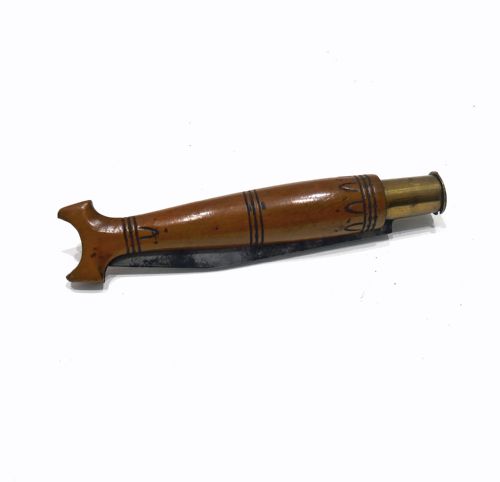
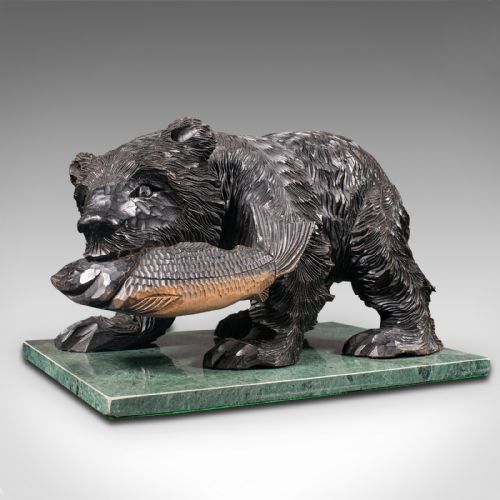
Carvers shaped materials like cedar, linden wood, fruitwood, and alabaster using hand tools to create sculptures, figures, and functional items like knitting sheaths and penknives. Glassworks relied on moulding and pressing techniques to achieve opalescent finishes and relief designs.
Metalworkers employed casting and silversmithing methods to produce objects such as bookends and seafood picks in brass, silvered metals, and solid sterling silver.
Vintage Fish Art Retail Price Guide 2026
Typical asking prices for vintage fish art among the pieces listed under this phrase on Sellingantiques today, from the lower quarter to the upper quarter. They describe what is for sale here now, not the wider market.
Object types range from oil paintings and watercolours to glass bowls, table lamps, and penknives.
What Varies In Quality
The standard of execution in paintings depends on the artist's ability to render light, movement, and proportion within marine settings. Stronger works display confident brushwork and accurate perspective in capturing water and vessels.
In carved wooden and glass objects, the crispness of detail and the depth of the material dictate the visual impact. Pieces demonstrating refined finishing and balanced composition command greater attention.
F Abella And Sons·Rene Lalique·Suckling Ltd
The Vintage Fish Art Glossary
- Watercolour painting
- A method where paints are made of pigments suspended in a water-based solution, typically applied to paper.
- Oil on canvas
- A traditional painting medium utilising pigments mixed with drying oils, stretched across a fabric support.
- Opalescent glass
- Glass exhibiting a milky, iridescent appearance that reflects light in varied tones, frequently associated with decorative bowls.
- Treen
- Small handmade wooden household objects valued for their utility and tactile qualities.
- Marine art
- Artistic representation of the sea, ships, coastal views, and fishing activities.
Vintage Fish Art: Frequently Asked Questions
What periods do these pieces span?
The selection covers items produced from the 19th century through the mid-20th century, including Victorian, Edwardian, and Art Deco examples.
Various decades are represented through distinct artistic movements and manufacturing techniques.
How should I care for oil paintings?
Keep oil paintings away from direct sunlight and severe fluctuations in temperature or humidity to protect the canvas and pigment.
Dust the surface gently with a soft, dry brush and avoid using liquid cleaners.
Where were these glass bowls made?
Many decorative glass pieces from the interwar period originate from French glassworks associated with Art Deco design.
These items utilise moulded opalescent glass to highlight aquatic motifs.
Are watercolours framed differently than oils?
Watercolours are executed on paper and require mounting under glass with framing to protect the delicate medium from moisture.
Oil paintings on canvas or board generally do not require glass protection.