




Vintage Fireplace Trivet
A vintage fireplace trivet brings warmth and utility to a hearth, offering a sturdy surface to keep kettles hot by the fire.
Vintage Fireplace Trivet
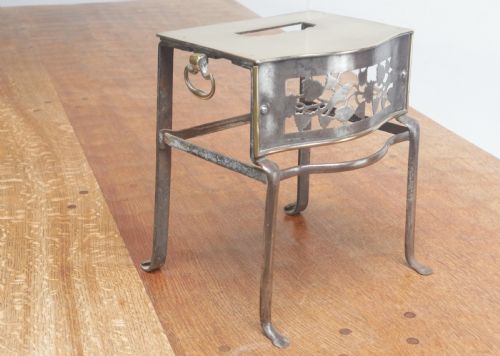
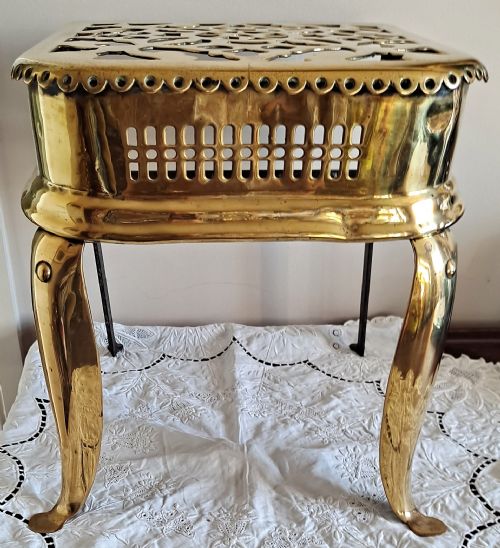
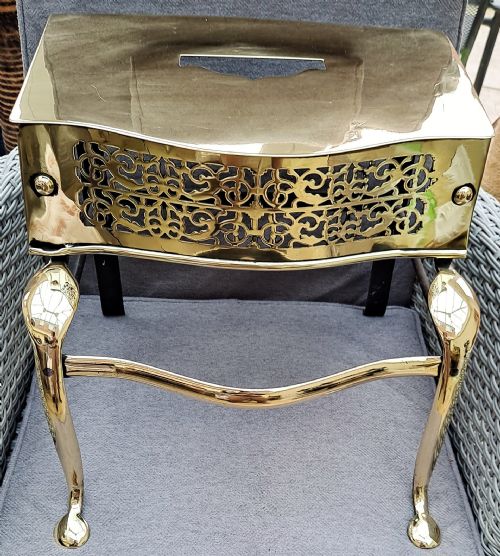
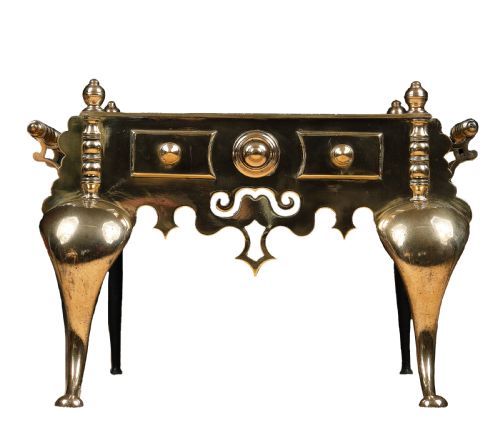
A vintage fireplace trivet stands as a practical hearth accessory designed to hold vessels close to the flames. Buyers browsing this page will encounter various forms, including traditional footmen, kettle stands, and dish stands.
The selection spans multiple periods, featuring pieces from the eighteenth century, the Georgian era, the Regency period, and the Victorian and Edwardian epochs. These items originate predominantly from English and Welsh makers.
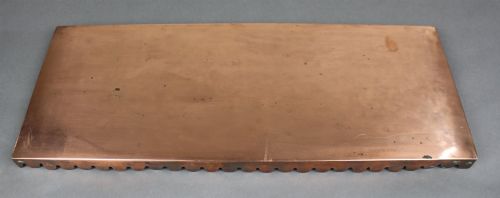
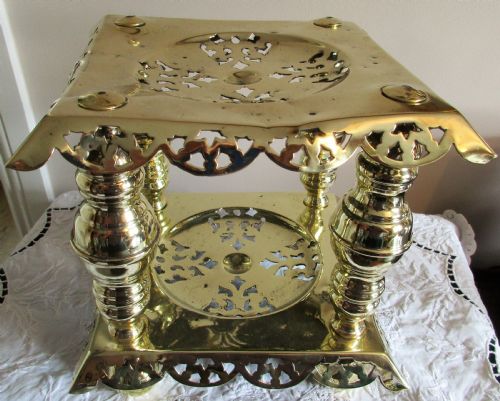
Forms range from simple circular plates with scalloped edges to multi-tiered stands and heavy footmen constructed with integrated steps. Each object reflects the domestic habits of past firesides.
Materials and construction
Construction relies heavily on durable metals, with brass and steel forming the primary components of most footmen and stands. Copper appears frequently in hearth plates, whilst iron provides essential structural weight.
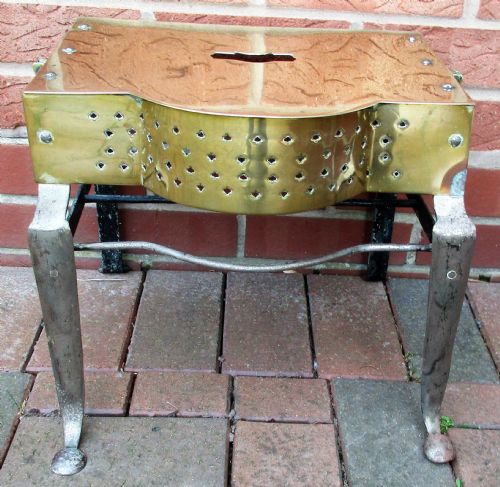
Wood elements, including mahogany and various hardwoods, occasionally feature in associated stands or handles. Metalwork techniques combine cast brass bodies with riveted steel legs and plates.
Among the hearth accessories sit traditional cat stands, ready to warm your dishes with feline steadiness.
Assessing quality
Quality rests upon the weight of the metal and the precision of the assembly, distinguishing heavy, substantial footmen from lighter domestic pieces. The integrity of the joins between brass bodies and steel components dictates structural longevity.
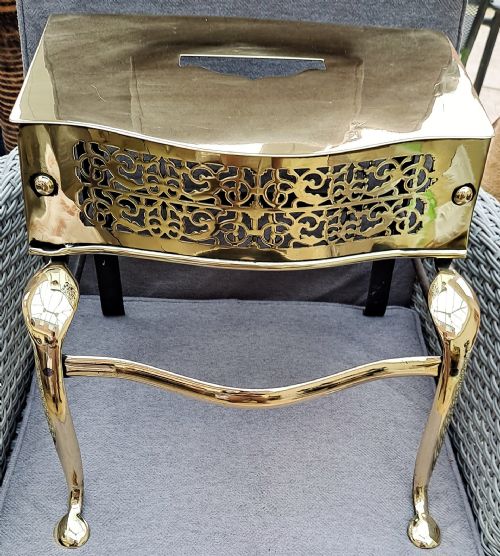
Design detail separates standard items from superior examples, such as finely pierced brass plates, elegant cabriole or straight legs, and well-executed scalloped edges. Original matching elements retain greater integrity than later replacements.
The Vintage Fireplace Trivet Glossary
- Hearth accessory
- An item utilised around the fireplace for practical or decorative purposes. These objects include trivets, footmen, and kettle stands.
- Kettle stand
- A small platform designed specifically to hold a water kettle near the fire. They often have single or multi-tiered surfaces.
- Cat stand
- A low metal stand used by the fireside to support plates or dishes. The name derives from its traditional three-legged configuration.
- Scalloped edge
- A decorative border formed of a series of curving segments. This finish frequently appears on copper hearth plates.
Vintage Fireplace Trivet: Frequently Asked Questions
What is a fireplace footman?
A fireplace footman is a metal stand placed directly in front of an open fire to keep kettles or dishes warm.
These pieces typically feature a flat top surface supported by sturdy legs, often combining brass and steel materials.
How were trivets used historically?
Trivets served as elevated platforms near the hearth to heat water or food without placing vessels directly into the flames.
They formed an essential part of daily domestic life in Georgian and Victorian households.
What materials are common?
Common materials include cast brass, polished steel, wrought iron, and occasional copper hearth plates.
Some examples also incorporate hardwood or mahogany elements within their design.
How do I date a trivet?
Dating relies on stylistic markers associated with periods such as Georgian, Regency, Victorian, and Edwardian.
Examining construction techniques and metal finishes helps determine the likely era of manufacture.