



Vintage Fire Grate
A vintage fire grate anchors a room with genuine period character, offering both functional warmth and enduring decorative presence for the hearth.
Vintage Fire Grate
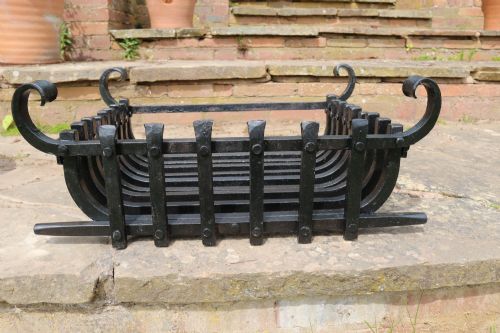
A vintage fire grate provides the structural hearth housing for burning solid fuel within an open fireplace. When you search for a vintage fire grate, you encounter robust iron and brass hardware designed to hold logs or coal securely.
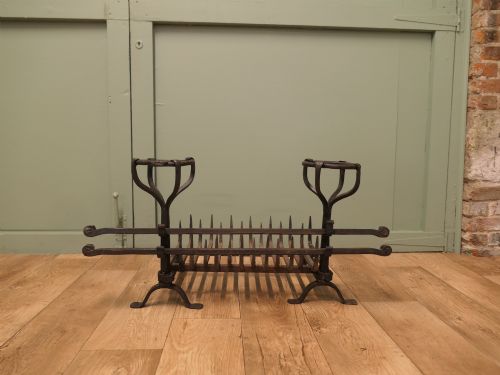
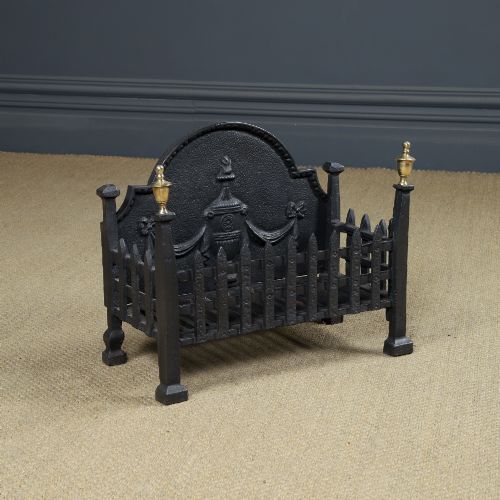
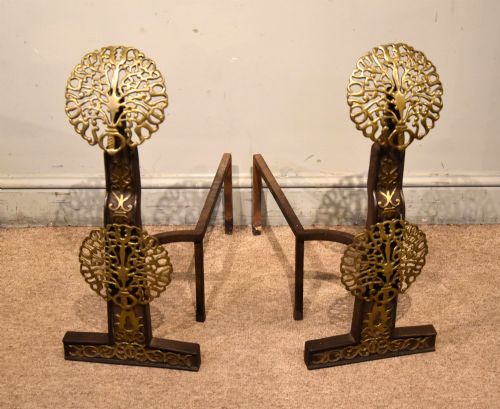
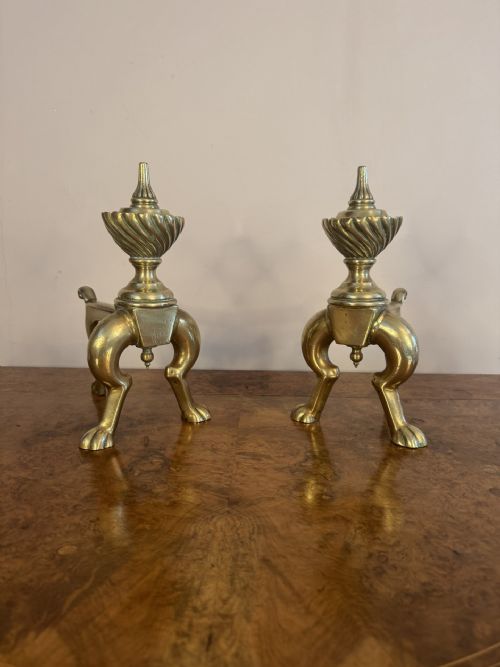
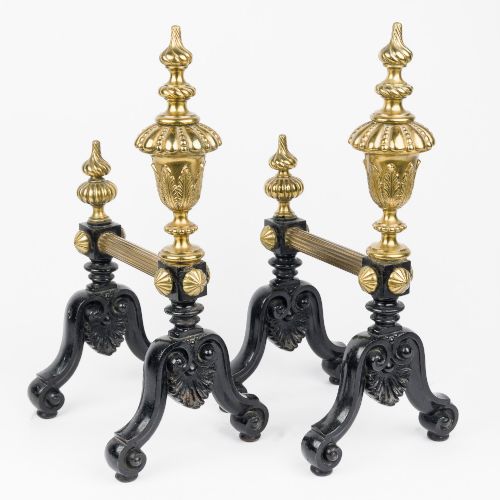
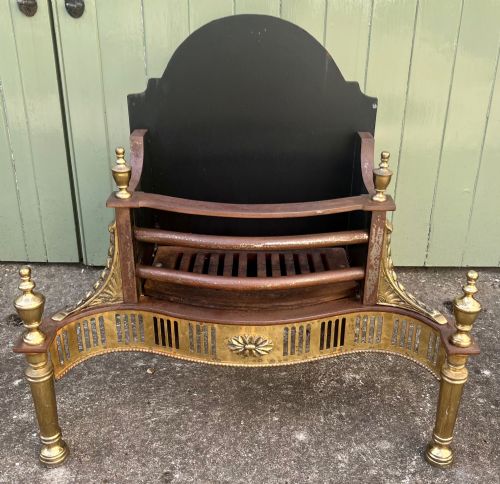
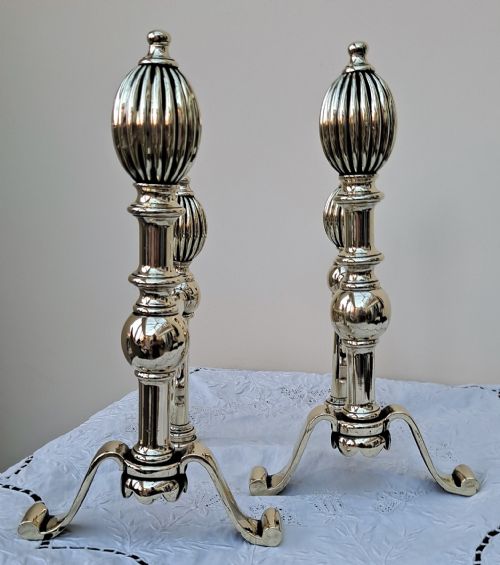
The pieces on this page span the nineteenth and twentieth centuries, taking the form of free-standing fire baskets, companion andirons, and integrated register units. Victorian and Georgian examples dominate the selection, often accompanied by Arts and Crafts or Adam style ornamentation.
Many items incorporate matching fire dogs or cast iron firebacks to complete the hearth assembly. These metalwork accessories range from compact bedroom grates to substantial grates intended for principal reception rooms.
How they were made
Foundry work relied on heavy cast iron to form the main baskets, firebacks, and structural frames that could withstand intense daily heat. Skilled molders poured molten iron into sand moulds, producing crisp decorative details and sturdy load-bearing bars.
Wrought iron and steel were forged and hammered by hand for components requiring greater tensile strength, such as footmen and hearth trivets. Brass elements, including andirons and finials, were cast separately and polished to provide a bright contrast against the dark iron.
Refractory materials like firebrick lined the interior chambers of certain grates to protect the outer metal casing and reflect heat outward into the room. Assembly typically involved threaded bolts and heavy rivets that locked the heavy metal parts firmly together.
Vintage Fire Grate Retail Price Guide 2026
Typical asking prices for vintage fire grate among the pieces listed under this phrase on Sellingantiques today, from the lower quarter to the upper quarter. They describe what is for sale here now, not the wider market.
The inventory includes nineteenth-century pieces alongside Victorian, Edwardian, Georgian, and Regency examples.
What varies in quality
The thickness and weight of the metal dictate the structural integrity and longevity of any given grate. Heavier cast iron sections and solid brass components indicate superior manufacturing standards and better resistance to thermal distortion over decades of use.
The refinement of the casting and hand-finishing marks the difference between standard utilitarian hardware and high-status decorative pieces. Crisp detailing in Neoclassical swags, Gothic tracery, or Arts and Crafts hand-beaten surfaces demonstrates higher artisan skill.
The Vintage Fire Grate Glossary
- Fire grate
- The metal basket or rack designed to hold fuel above the hearth floor, allowing air to circulate underneath for combustion.
- Andirons
- A pair of horizontal metal supports raised on legs, placed in a hearth to hold logs, often featuring decorative upright fronts.
- Fireback
- A heavy cast iron plate placed against the rear wall of a fireplace to protect the masonry and radiate heat back into the room.
- Footman
- A small metal stand or stool placed by the hearth to keep food or kettles warm, usually constructed from steel or iron.
- Hearth trivet
- A low three-legged metal stand used for supporting pots or Kettles directly over the fire grate or coals.
Vintage Fire Grate: Frequently Asked Questions
How do I choose the right size grate?
Measure the internal width, depth, and height of your fireplace opening carefully before selecting a freestanding basket. Leave adequate clearance around the sides and back for proper airflow and safe heat dispersion.
Take into account whether your chimney has a functioning flue and whether you plan to burn wood logs or coal. Smaller Victorian bedroom grates differ significantly in capacity from heavy Edwardian or Georgian parlor units.
Can I actually burn wood in these?
Most antique grates were built to burn coal, wood, or a combination of solid fuels depending on their period and design. Check the internal depth and bar spacing to ensure your chosen fuel fits securely within the basket.
For regular wood burning, pairing the grate with a solid cast iron fireback helps protect the rear bars from excessive heat stress. Consult a professional chimney sweep to inspect your flue before lighting any open fire.
What is the difference between iron and brass?
Cast iron and wrought iron provide the structural backbone and heat-handling capacity for the basket, fireback, and legs. Brass appears primarily in decorative elements like andirons, finials, rails, and decorative mountings.
Iron offers dark, heavy utility and withstands direct flames, while brass introduces a contrasting metallic warmth. Many pieces combine both metals to achieve a balanced decorative appearance.
How do I clean a vintage fire grate?
Remove all ash and debris from the basket using a stiff brush and a small shovel after the metal cools completely. Apply a specialised grate polish or black lead paste to cast iron surfaces to maintain a dark, protected finish.
Polish brass components gently with a suitable metal cleaner, taking care not to stain adjacent iron parts. Avoid using harsh chemical solvents that might strip historical patination from the metal.