

Vintage Fire Fender
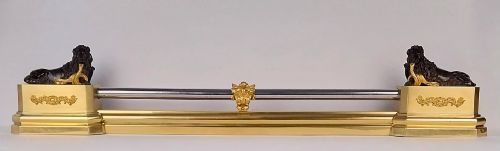
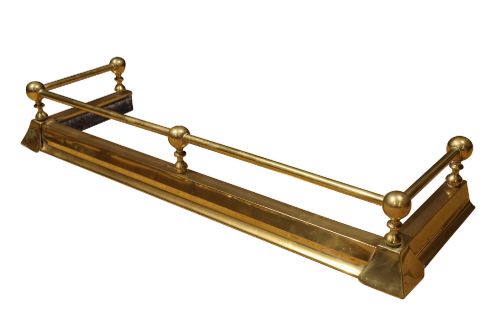
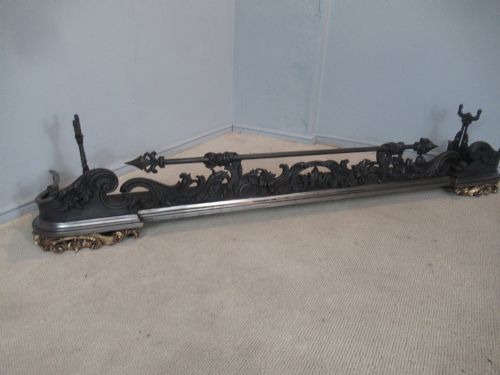
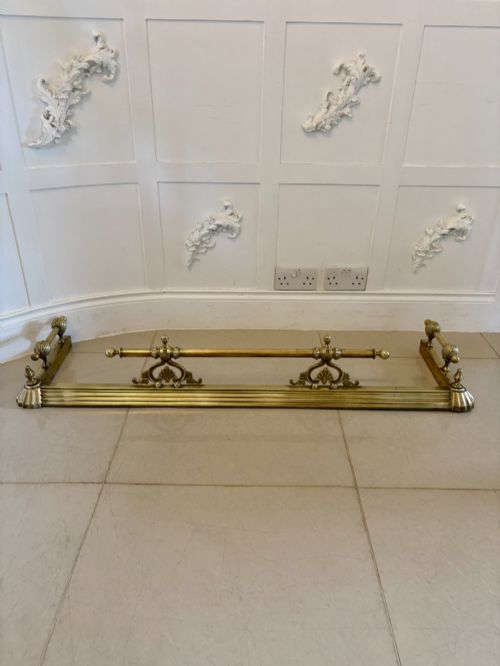
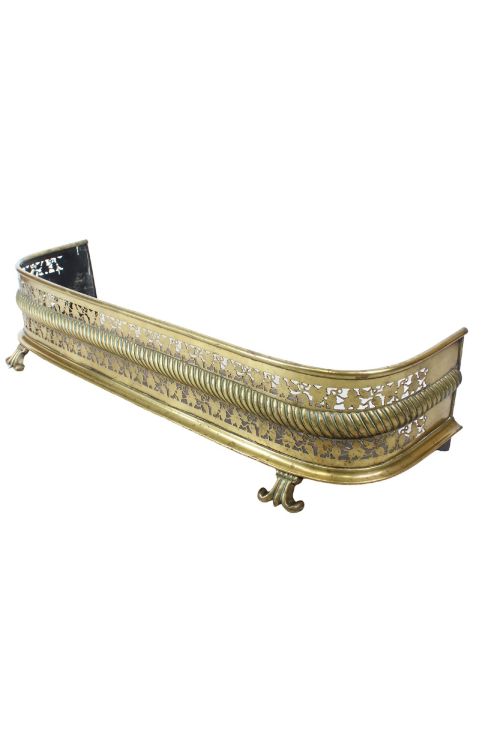
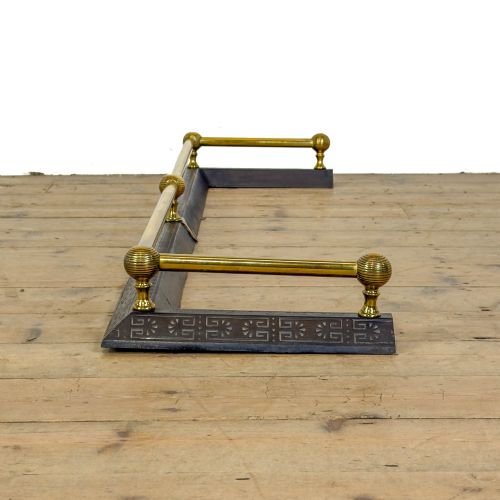
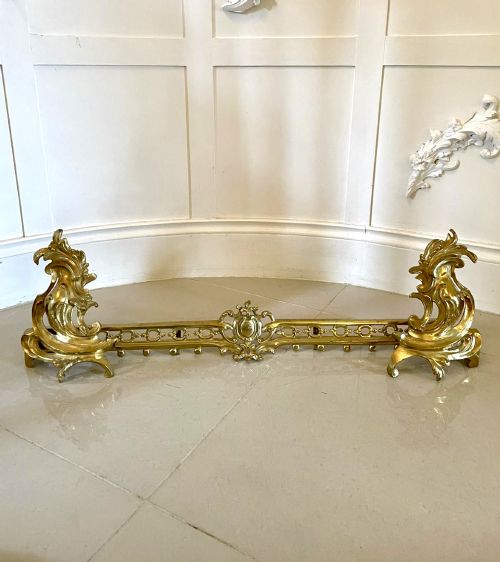
A vintage fire fender anchors the hearth, containing ash and framing the fire with brass, iron, or wirework.
Vintage Fire Fender
A vintage fire fender sits on the hearth to contain stray embers and define the fireplace opening. These pieces emerge from the nineteenth and early twentieth centuries, spanning Victorian, Edwardian, and Art Deco periods.
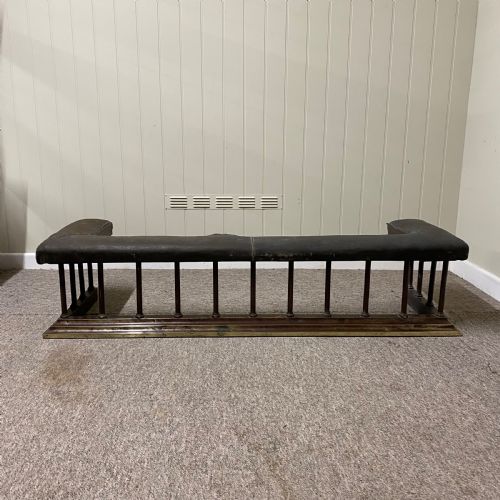
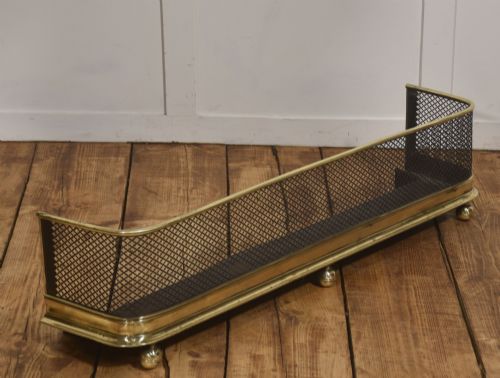
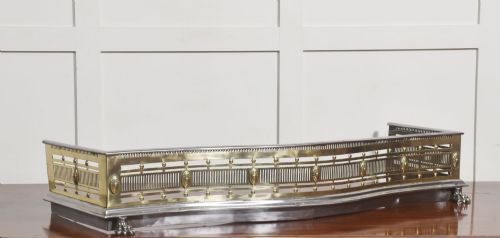
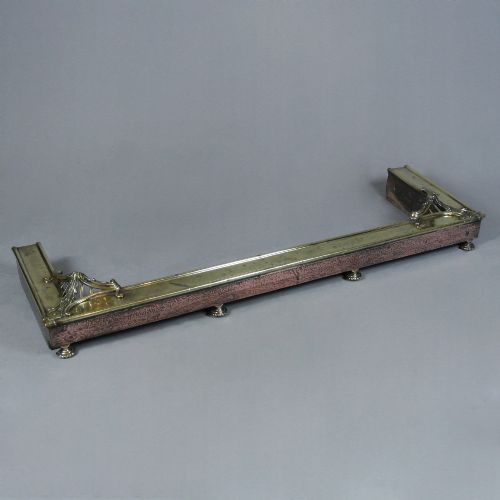
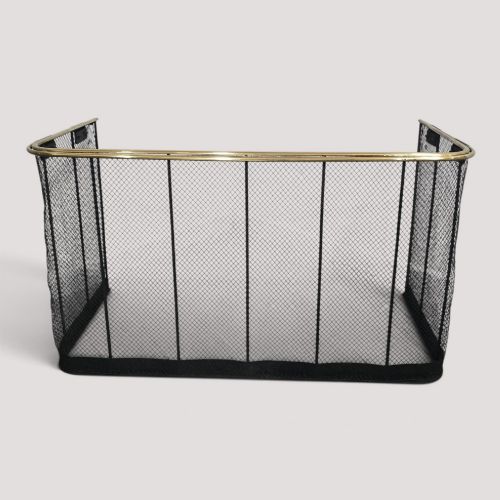
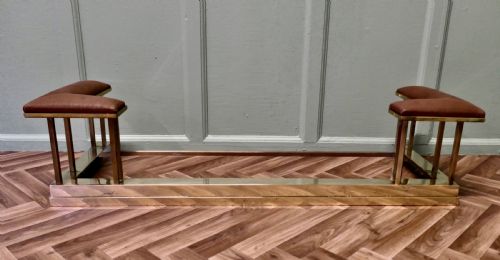
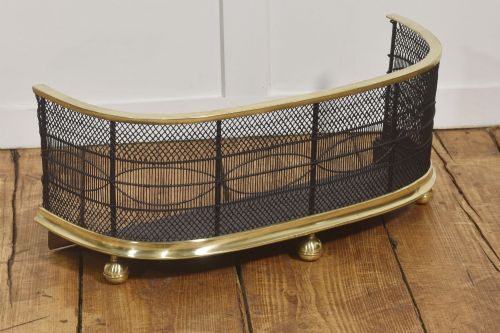
The form varies from low pierced brass kerbs to substantial club fenders fitted with leather seats. Wire mesh nursery guards and extending designs also appear across the selection.
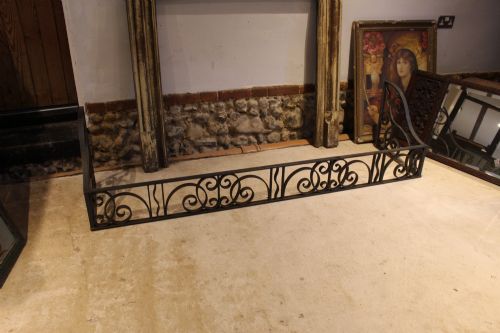
Makers utilised iron, steel, copper, and bronze alongside brass, creating functional barriers that double as hearthside seating or decorative frames.
How they were made
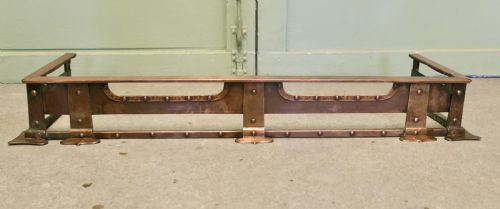
Metalworking techniques define these pieces, combining cast iron frames with beaten copper plates or pierced sheet brass. Riveted joints, wirework mesh, and forged steel provide structural strength.
Upholstered elements on club fenders involve leather stretched over internal padding, secured with brass tacks. Applied details such as flower pateras and beaded decoration complete the metal surfaces.
Vintage Fire Fender Retail Price Guide 2026
Typical asking prices for vintage fire fender among the pieces listed under this phrase on Sellingantiques today, from the lower quarter to the upper quarter. They describe what is for sale here now, not the wider market.
Listings span the nineteenth and twentieth centuries, featuring Victorian, Edwardian, and Art Deco examples in brass, iron, copper, and steel.
What varies in quality
Construction gauge dictates durability, separating heavy cast or forged frames from lighter folded sheet metal. Thickness of brass and copper determines whether the body resists bending under heat and foot traffic.
Refinement of ornament marks the upper tier, seen in crisp piercing, hand-beaten copper panels, and securely mounted leather seats. Surface patination on unlacquered metals reflects the integrity of the original material.
The Vintage Fire Fender Glossary
- Club fender
- A low hearth guard featuring upholstered corner seats on a rigid metal frame. Originating in country houses, it allows people to sit close to the fire.
- Nursery fender
- An tall wire mesh or iron guard designed to keep children and stray sparks away from the open hearth. These tall enclosures often include integrated top rails.
- Kerb
- A low stone or metal barrier marking the perimeter of the hearth. Metal kerbs serve as the base structure for many fire fenders.
- Patera
- A circular decorative bas-relief ornament resembling a classical libation dish. Craftsmen applied these floral or geometric motifs to copper and brass fender rails.
Vintage Fire Fender: Frequently Asked Questions
How do I measure for a club fender?
Measure the width and depth of your hearth stone carefully to ensure the internal dimensions clear the fireplace surround. Allow clearance on all sides so the metal frame sits squarely without overhanging.
Check the height of the fire basket or grate to coordinate with the fender rail or seat level.
What is a nursery fender used for?
A nursery fender provides a tall protective barrier of wire mesh or iron to contain sparks and prevent children from reaching the fire. These tall guards stand securely around the entire hearth opening.
Many examples include an integrated top rail historically used for airing clothes near the warmth.
How do I clean antique brass fenders?
Dust the metal surface regularly with a soft dry cloth to prevent soot buildup. Avoid harsh chemical polishes that strip away the aged patination accumulated over decades.
Apply a light microcrystalline wax to unlacquered brass or copper if you wish to protect the finish from further tarnishing.
Are extending fenders adjustable?
Extending fenders feature a sliding mechanism that allows the side sections to telescope inward or outward. This adjustable design lets the frame fit varying hearth widths.
Ensure the sliding joints move freely and lock securely into position before placing the fender on the floor.