
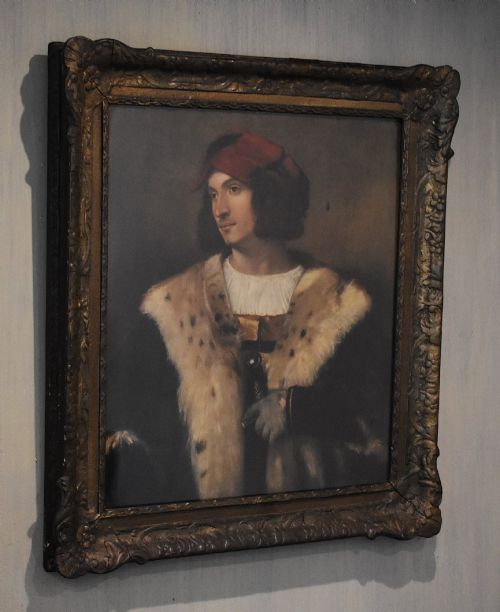
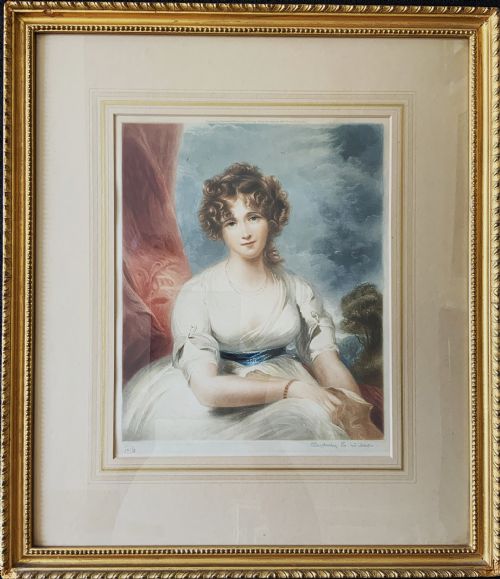


Vintage Fine Art Print
A vintage fine art print brings historical depth and visual character to a room, offering an accessible way to collect period works on paper.
Vintage Fine Art Print
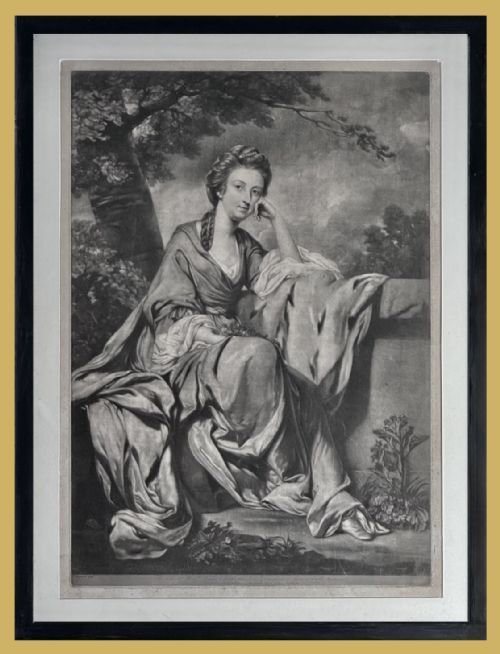
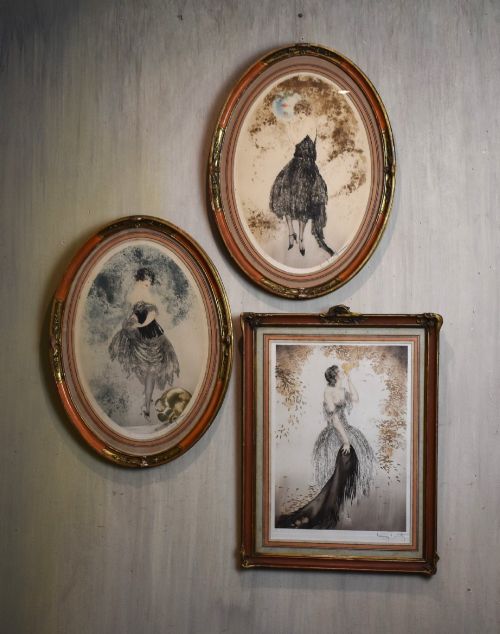
When searching for a vintage fine art print, buyers encounter a diverse mix of works on paper, engravings, etchings, and lithographs spanning several centuries. The selections range from early copperplate engravings and mezzotints to twentieth-century pochoir prints and collotypes.
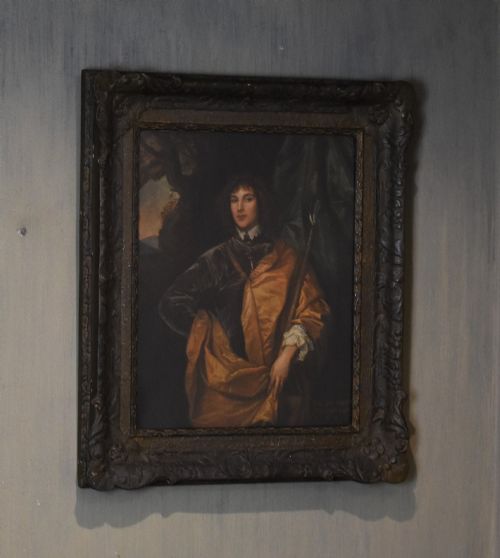
Many of these pieces capture historical portraits, sporting scenes, and landscapes, often reproducing earlier masterpieces or recording contemporary artistic movements. Collectors regularly find works originating from the eighteenth, nineteenth, and twentieth centuries, reflecting changing aesthetic preferences across Georgian, Edwardian, Art Deco, and mid-century periods.
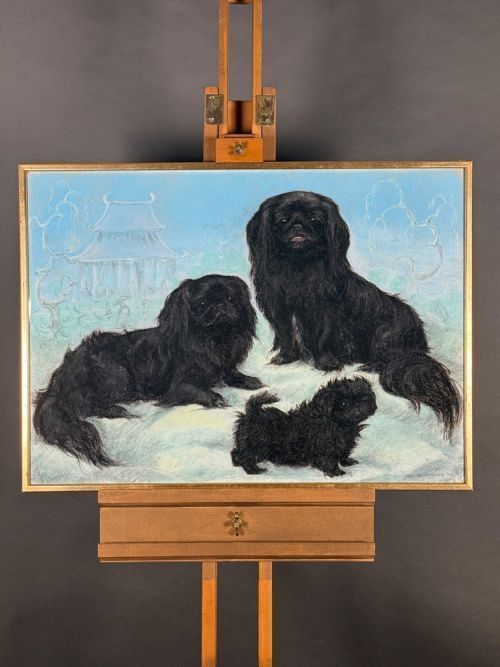
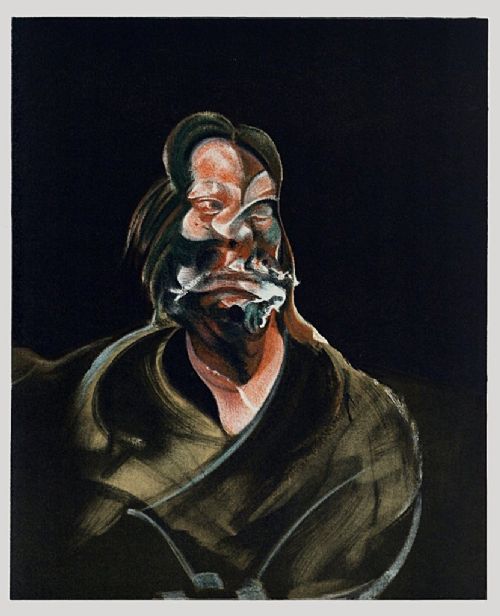
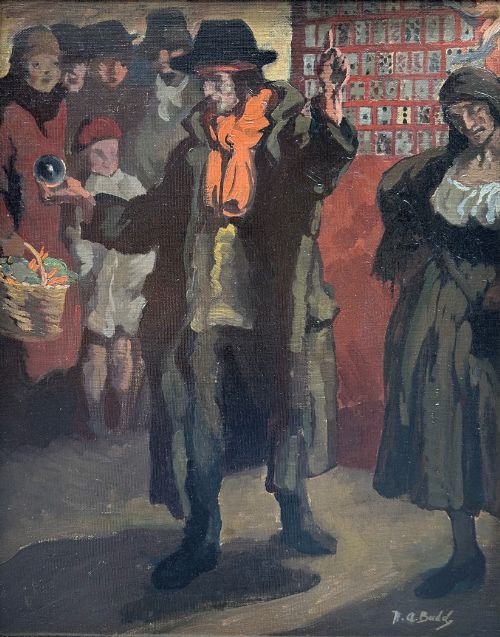
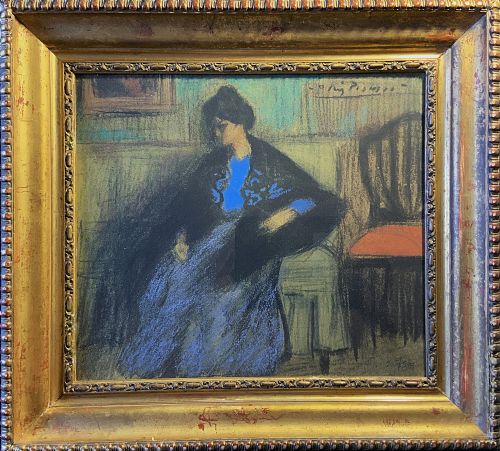
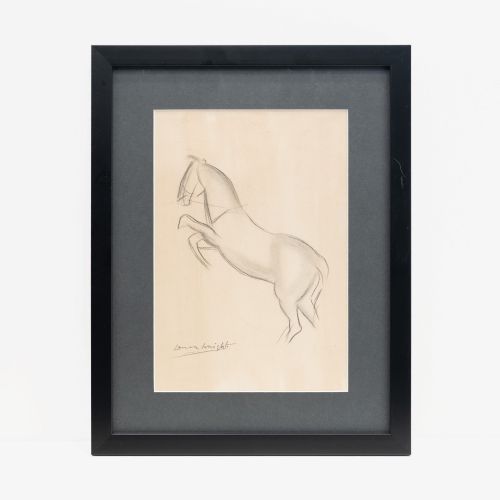
The most common formats on this page combine traditional printing techniques with paper supports, sometimes accompanied by glass, giltwood, or wooden framing. Alongside these printed works, the listings also incorporate distinct categories of paintings in oil, pastel, and watercolour.
Materials and production methods
Makers utilised heavy paper sheets to receive ink impressions from copper plates, lithographic stones, or woodblocks. Engravings and etchings rely on precise incisions made into metal plates, transferring fine lines under high pressure in a printing press.
Chromolithographs and pochoir prints involve layered colour applications, building rich pigments across the surface of the sheet. Works executed in oil, pastel, or ink rely on canvas, board, or paper supports to hold painterly compositions.
Several listings feature spirited animals, including stylish felines, a tea party of Persian kittens, and a bulldog.
Determinants of quality
The distinction between standard examples and superior pieces rests upon the crispness of the impression and the fidelity of the ink transfer. Sharp plate marks, clean margins, and well-preserved paper tones indicate careful printing and storage.
Artist involvement elevates certain pieces, particularly when a work bears a signature, artist proof, or limited edition numbering. The skill of the original draughtsman and the quality of the contemporary framing materials further distinguish the better examples.
Edward Fisher·Sir Joshua Reynolds·Francis Bacon·Herbert Ashwin Budd·Pablo Picasso·Louis Icart·Dame Laura Knight·Sydney Wilson·John Merrifield·E.L. Riepenhausen·Hendricus Joseph Dillens·Sir Thomas Lawrence·B. Kaufmann·Agnes Augusta Tallboys·Fred Lawson·Franz Reder-Broili·Margaret Evangeline Wilson·Edward Lloyd·Herbert Dicksee·John Atkinson·Henri Joseph Harpignies·Lois Wilton
The Vintage Fine Art Print Glossary
- Mezzotint
- A printmaking process of the intaglio family where the plate is roughened to achieve rich dark tones and subtle gradations of light. This technique allows for remarkably smooth tonal transitions.
- Collotype
- A planographic printing process using gelatin coated glass plates to produce continuous tone reproductions. It yields photographic detail without visible halftone screens.
- Drypoint
- An intaglio printmaking technique where an image is scratched directly onto a metal plate with a sharp needle. This creates a raised ridge of metal called burr that holds ink for a velvety line.
- Pochoir
- A stencil-based technique used to apply vibrant colours by hand to a print. It results in sharp edges and saturated hues characteristic of early twentieth-century design.
- Chromolithography
- A planographic colour printing method using multiple limestone blocks, one for each ink colour. It produces dense, multicoloured pictorial surfaces.
Vintage Fine Art Print: Frequently Asked Questions
How do I care for prints?
Keep works on paper away from direct sunlight to prevent fading and paper yellowing over time. Maintain stable indoor humidity levels to protect both the paper and any associated wooden or giltwood frames.
Ensure that framing utilises acid-free mounts so the paper does not degrade against the backing board. Display pieces in well-ventilated rooms away from excessive moisture.
What is an artist proof?
An artist proof is an impression taken during the printing process to allow the creator to examine the state of the plate. These impressions sit outside the standard numbered edition.
Collectors often prize proofs because they represent early pulls from the plate, capturing fine details before any wear occurs on the printing matrix.
How are engravings different from lithographs?
Engravings involve cutting lines into a hard surface like copper using a sharp tool, creating grooves that hold ink under pressure. Lithography is a planographic process based on the repulsion of oil and water on a flat stone or metal plate.
An engraving typically shows distinct plate impressions and crisp, incised lines on paper. A lithograph creates softer tonal areas and painterly marks without deep indentation.
Can I hang prints in a hallway?
Hallways receive frequent foot traffic, so ensure framed works hang securely at eye level using appropriate wall fixings. Avoid locations where doors or objects might strike the glass.
Use protective glazing with UV-filtering properties if the hallway receives indirect sunlight from nearby windows or skylights.