


Vintage Filing Furniture
Vintage filing furniture brings working history into a room, offering sturdy storage built from oak, mahogany, and metal to organise papers with character.
Vintage Filing Furniture
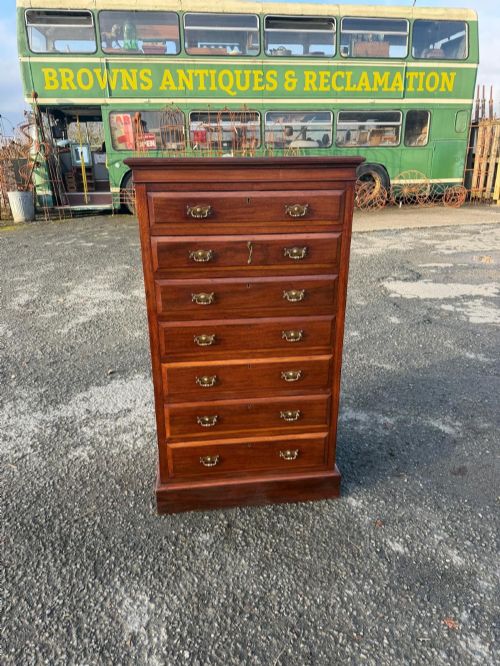
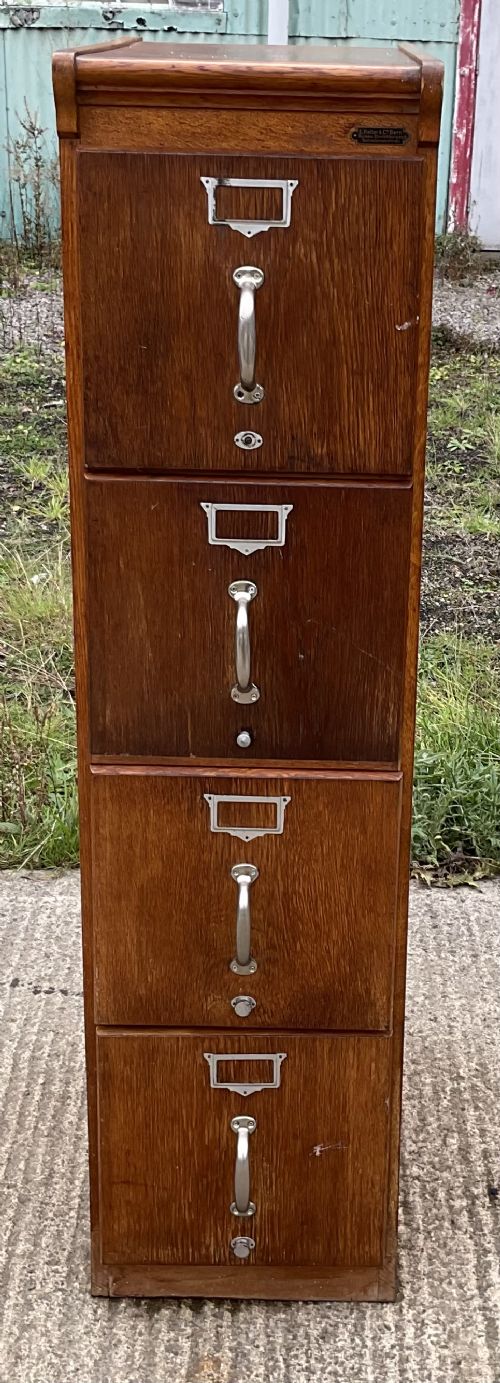
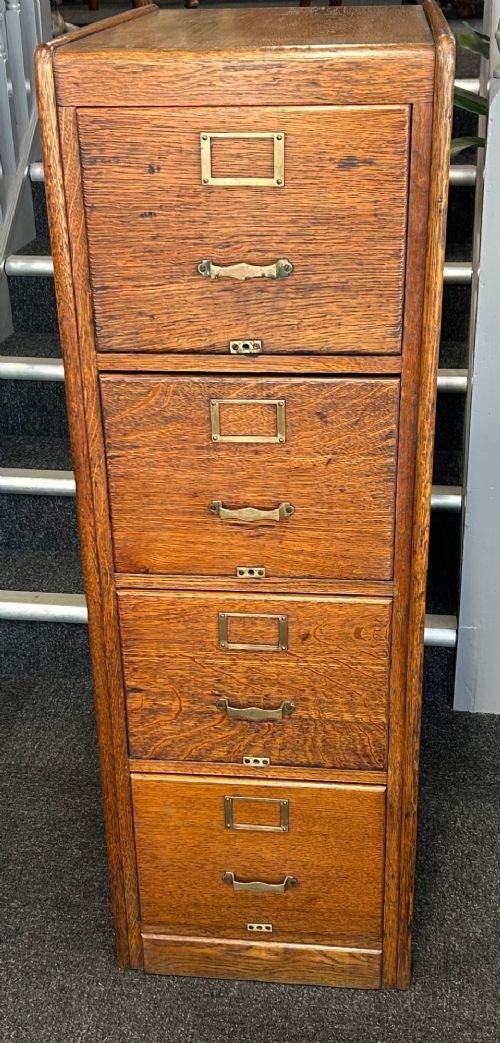
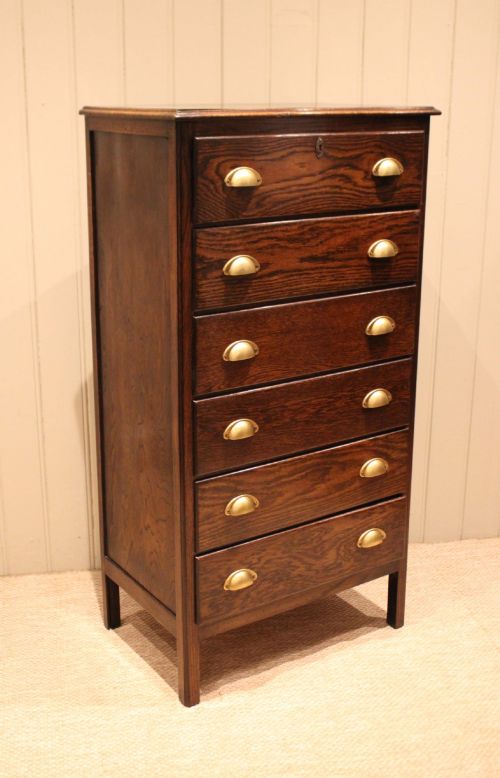
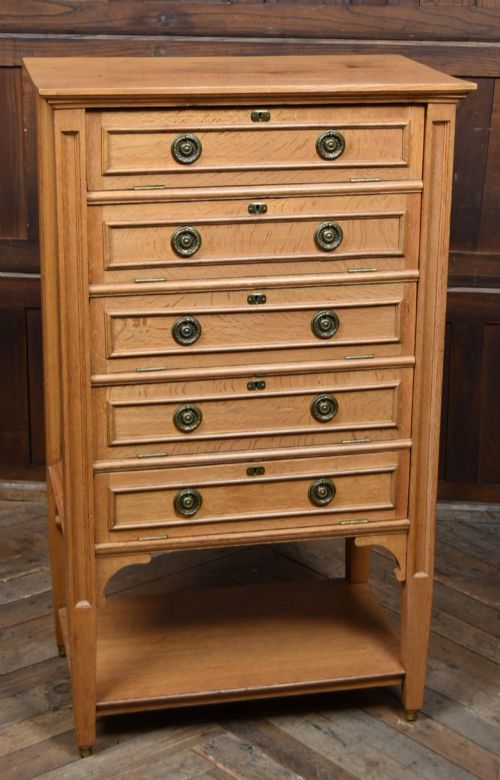
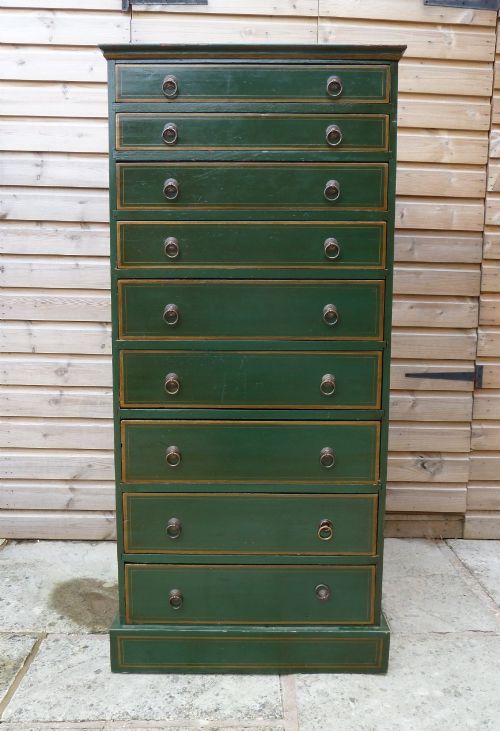
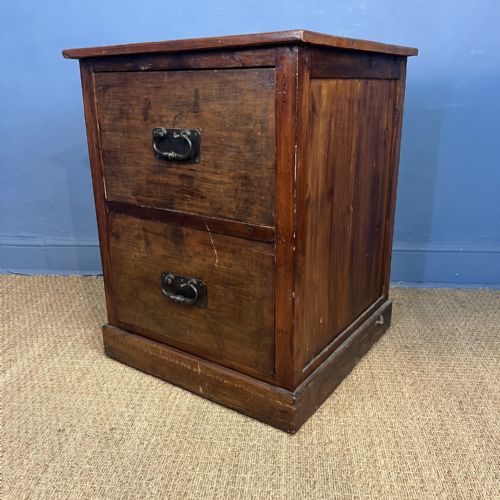
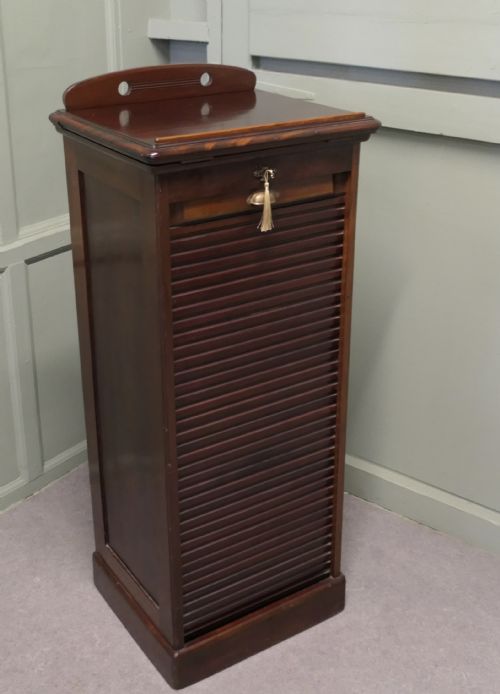
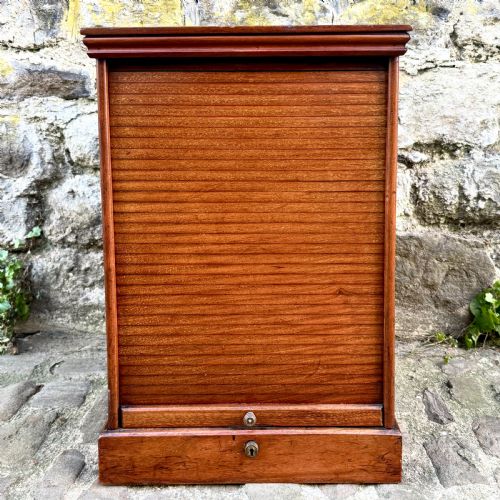
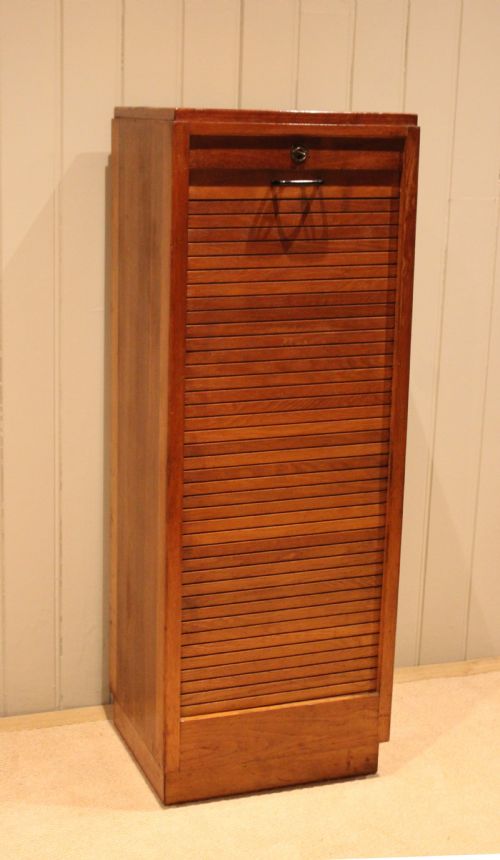
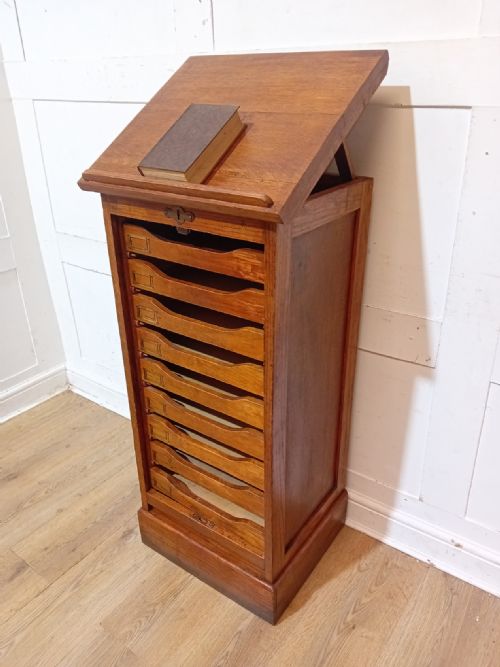
Vintage filing furniture encompasses practical storage pieces designed for offices, studies, and commercial spaces during the nineteenth and early twentieth centuries. When searching for vintage filing furniture, buyers encounter vertical filing cabinets, tambour front units, and multi-drawer banks intended for systematic organisation.
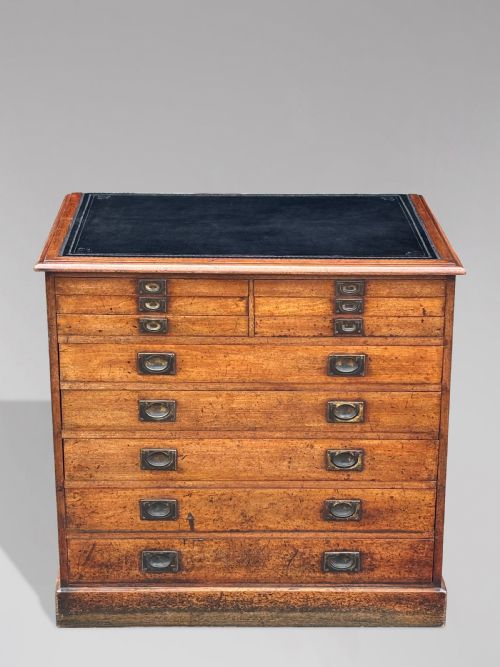
The most common versions on this page date from the Edwardian era through the 1940s, frequently constructed in solid oak or mahogany. These include office chests, music cabinets, and industrial metal pieces that transitioned from Victorian workspaces into domestic settings.
Origins range from English commercial workshops to French industrial spaces and Anglo-Indian production. Buyers select these items to combine functional desktop or floor storage with period aesthetics.
Materials and Construction Methods
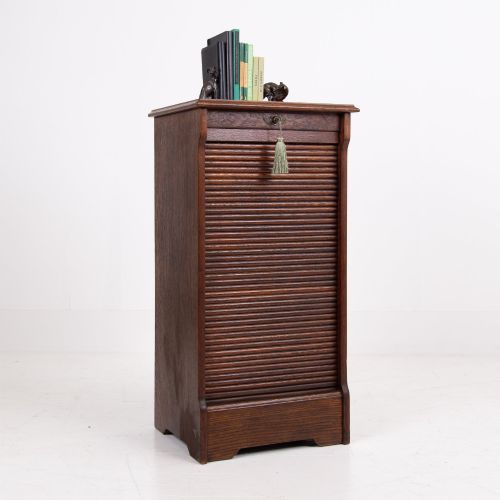
Timbers such as oak, mahogany, walnut, and pitch pine form the structural carcass of these pieces, joined with traditional methods suited to heavy daily office use. Tambour doors utilise flexible wooden slats running in recessed tracks to conceal internal letter files and drawers smoothly.
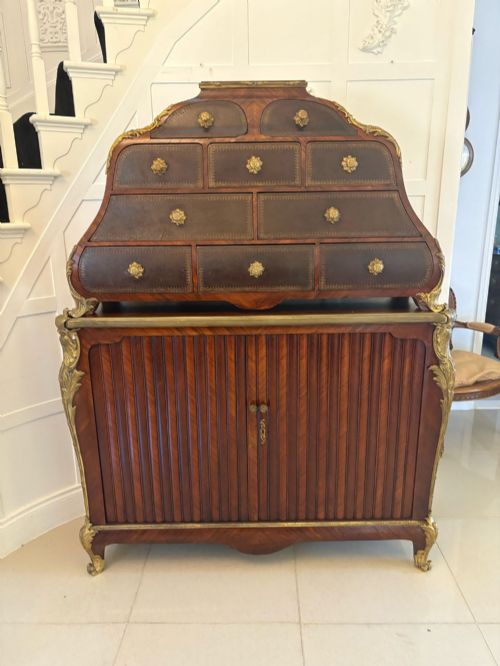
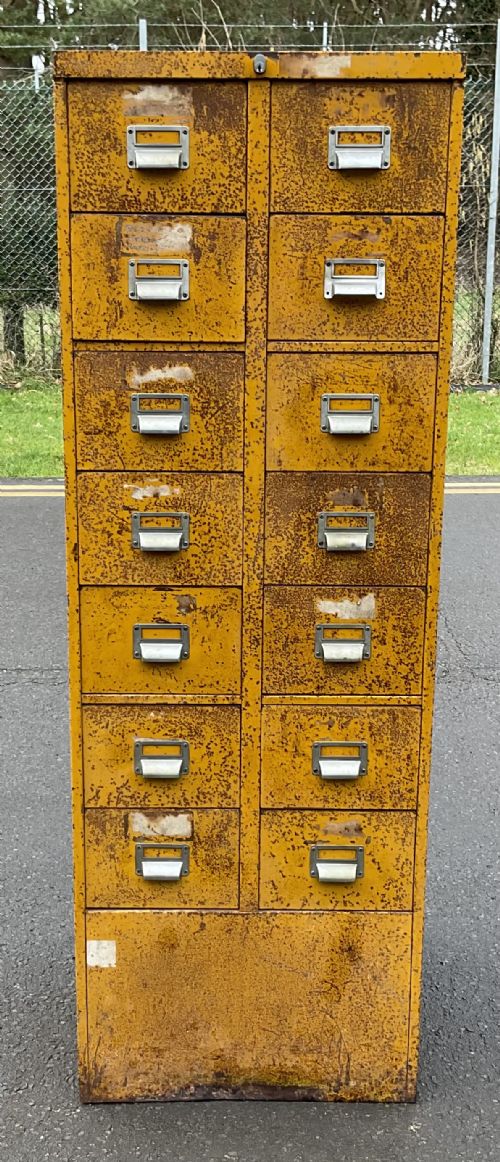
Metal components, including brass handles, iron fittings, and steel framing, provide mechanical strength for vertical filing cabinets and industrial chests. Ormolu mounts and leather accents appear on select pieces from French and campaign traditions, adding refined detail to utility designs.
Vintage Filing Furniture Retail Price Guide 2026
Typical asking prices for vintage filing furniture among the pieces listed under this phrase on Sellingantiques today, from the lower quarter to the upper quarter. They describe what is for sale here now, not the wider market.
Listings feature oak, mahogany, walnut, pine, and steel across Edwardian, Victorian, Art Deco, and industrial periods.
Factors Defining Quality
The distinction between standard utility items and superior pieces rests on timber selection, internal mechanism refinement, and cabinetmaker execution. High-quality examples feature dense figured oak or mahogany, finely fitted tambour slats that glide without binding, and original patent hardware.
Proportion and structural integrity separate robust commercial workshops from basic domestic alternatives. Superior filing furniture maintains crisp moulding profiles, intact original brass or iron pulls, and sound drawer construction capable of holding paper weight without sagging.
The Vintage Filing Furniture Glossary
- Tambour
- A flexible door made of narrow wood strips glued to canvas backing, allowing it to slide around a curved track to enclose cabinet shelving.
- Cartonnier
- A decorative cabinet fitted with multiple horizontal compartments or drawers specifically designed for storing papers and documents.
- Campaign furniture
- Portable pieces constructed in sections with recessed brass handles and corner brackets, designed for easy transport by military officers.
- Bank of drawers
- A large multi-drawer unit originally used in workshops, retail shops, or offices for extensive document and inventory storage.
- Pedestal
- A foundational cabinet block supporting a desk or acting as a standalone vertical storage column with stacked pull-out drawers.
Vintage Filing Furniture: Frequently Asked Questions
How do I date a wooden filing cabinet?
Dating relies on examining the primary timber species, construction joints, and hardware styles. Edwardian and Victorian pieces typically display solid oak or mahogany with hand-cut dovetail joints and brass pulls.
Later pieces from the 1930s and 1940s often incorporate industrial metal elements alongside simplified timber framing.
Can I use vintage filing cabinets for modern paper?
Many vintage filing cabinets accommodate standard modern paper sizes within their drawers or horizontal compartments. Internal configurations vary according to whether a piece was built for sheet music, letters, or ledgers.
Buyers should check internal drawer dimensions to ensure their specific storage requirements match the historical format.
Where should I place a vintage filing cabinet?
These pieces suit home studies, living rooms, and hallways where practical storage is required alongside period aesthetics. Their timber surfaces and metal accents pair well with both traditional and contemporary interiors.
Placing them away from direct heat sources helps protect the solid wood construction and sliding mechanisms.