


Vintage Filigree Bracelet
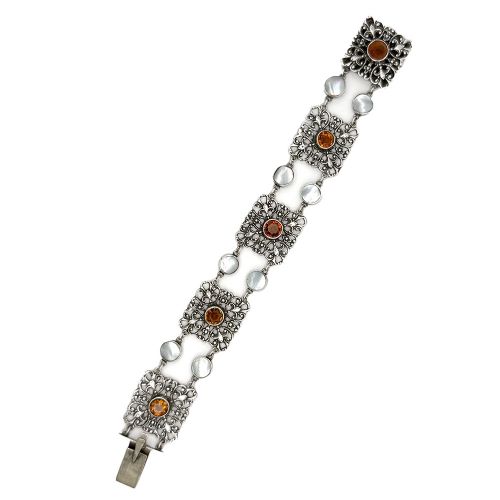
These vintage filigree bracelet examples offer delicate metalwork and intricate openwork settings that collectors prize for their intricate craftsmanship and historical charm.
Vintage Filigree Bracelet
A vintage filigree bracelet brings together delicate metal wirework and structured mounts, often taking the form of flexible links, hinged cuffs, or gate designs. When searching for a vintage filigree bracelet, a buyer encounters pieces originating from the Victorian, Edwardian, and Art Deco eras, alongside mid-century interpretations.
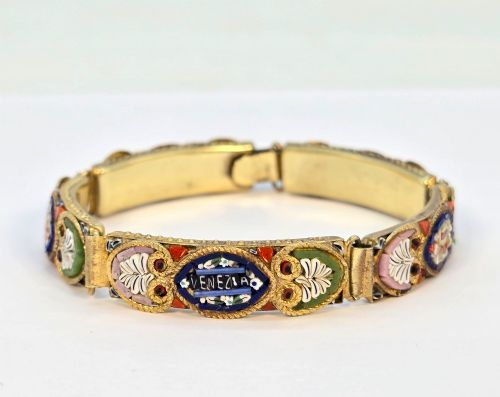
The selections span precious metals such as platinum, white gold, rose gold, and sterling silver, frequently set with diamonds, pearls, or enamel details. Simpler gilt metal or micro mosaic variations also appear, reflecting the diverse material choices of past decades.
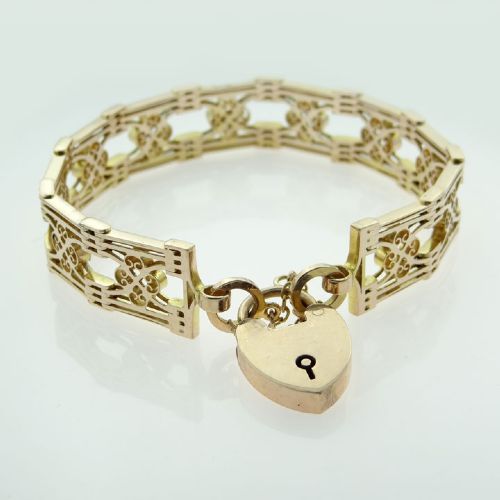
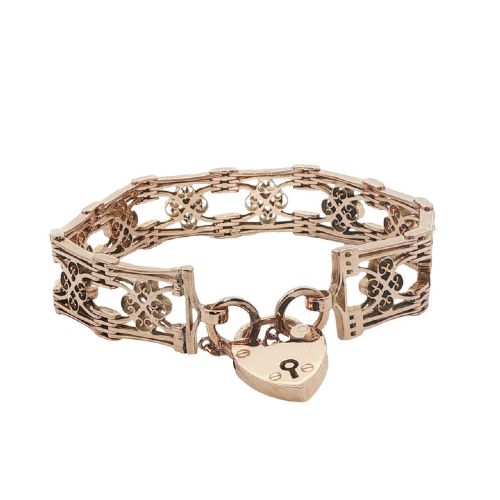
Most examples on this page balance intricate wire twists with sturdy clasps, ranging from heart padlocks to concealed box closures. This variety ensures that every piece presents a distinct decorative pattern while maintaining its structural integrity.
How they were made
Craftsmen built these pieces by soldering fine gold, silver, or platinum wire into lace-like patterns, often mounting the delicate metalwork onto supportive base plates or frames. This painstaking technique created lightweight yet visually dense designs that required steady hands and specialised tools.
Makers integrated gemstones like diamonds, sapphires, and pearls directly into the pierced settings, securing them with delicate collets and grain settings. Enamel work and glass tesserae were also incorporated into specific styles, fusing colourful artistic elements with intricate metal frames.
What varies in quality
The refinement of the wirework dictates much of the distinction between standard examples and superior specimens, as tighter solder joints and crisper patterns require greater skill. Heavier gauges of gold or platinum offer better durability against everyday wear compared to thinner, more fragile wire constructions.
The quality of the incorporated gemstones and secondary materials, such as matched diamonds or well-fired enamel, elevates the overall execution. Pierced settings that retain their original crisp edges without excessive smoothing from polishing demonstrate superior preservation.
The Vintage Filigree Bracelet Glossary
- Filigree
- Ornamental work consisting of fine wire, usually of gold or silver, formed into delicate tracery. This technique creates an open, lace-like appearance across the surface of the jewellery.
- Gate bracelet
- A style featuring rigid parallel metal bars linked together to resemble a miniature gate, often secured with a padlock. This design gained popularity during the Victorian and Edwardian periods.
- Micro mosaic
- Miniature pictures created by assembling tiny glass pieces called tesserae, commonly seen in Grand Tour souvenirs. These colourful panels were frequently mounted within metal frames.
- Art Deco
- A design style spanning the 1920s and 1930s characterised by geometric shapes, stylised motifs, and structured symmetry. Pieces from this era often pair diamonds with white gold or platinum settings.
Vintage Filigree Bracelet: Frequently Asked Questions
How do I clean a filigree bracelet?
Clean delicate wirework gently using a soft-bristled brush with warm soapy water to remove accumulated dust from the recessed channels. Avoid harsh chemical dips, which can damage enamel or weaken older metal solders.
Pat the piece dry thoroughly with a soft cloth before storing it in a lined box to prevent bending the fine metal threads.
Are these bracelets suitable for daily wear?
Many sturdy platinum and gold designs handle regular wear well, provided they are treated with reasonable care during daily activities. Lighter silver or delicate wirework variants require a more cautious approach to avoid snagging on clothing.
Removing the jewellery before strenuous tasks or sleeping helps preserve the fragile openwork structure over time.
How can I date my bracelet?
Examine the overall design motifs, fastener types, and gemstone cuts to narrow down the manufacturing period. Art Deco pieces show geometric symmetry, while Edwardian examples favour lighter platinum lace and pearl accents.
Victorian pieces often feature heavier gold gate structures or Grand Tour mosaic plaques, reflecting the prevailing aesthetic trends of their respective decades.
What metals are typically used?
Jewellers utilised sterling silver, 9ct rose gold, 12ct and 18ct yellow gold, white gold, and platinum across the various eras represented here. Gilt metal also appears in specific costume or souvenir pieces.
The choice of metal often aligns with the period style, such as platinum for Edwardian designs or yellow gold for Victorian gate bracelets.