




Antique Geometric Bracelet
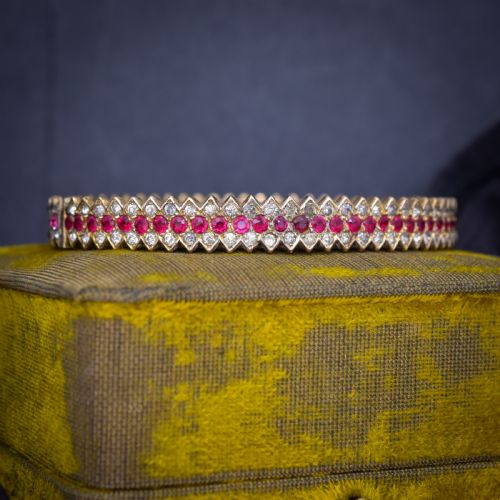
An antique geometric bracelet brings linear discipline to the wrist, offering precise patterns forged in platinum, gold, and chrome.
Antique Geometric Bracelet
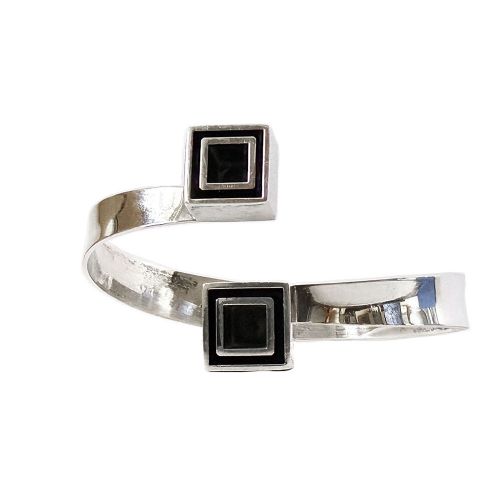
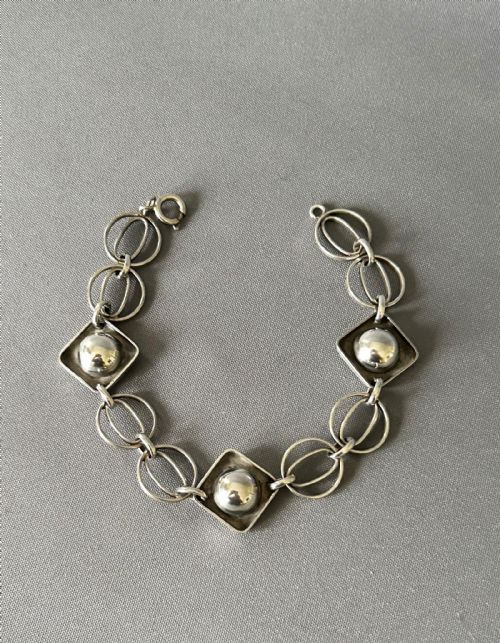
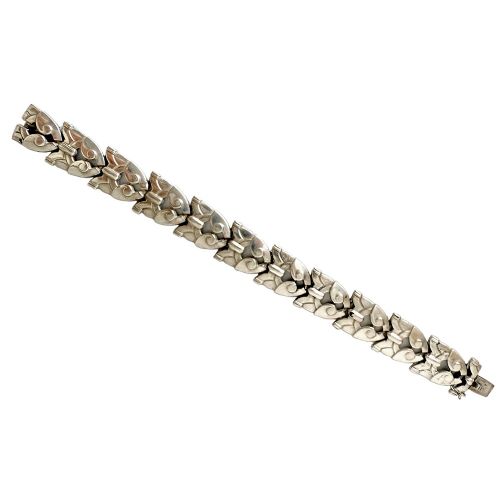
An antique geometric bracelet unites structural symmetry with period craftsmanship, spanning styles from Victorian and Edwardian origins to Mid-Century modernism. The prevailing form is the Art Deco piece, defined by repeating motifs, rectangular links, and architectural lines.
Buyers encounter rigid bangles alongside articulated strap bracelets and functional cocktail watches. Materials range from precious platinum and diamonds to industrial chrome and brightly coloured enamel.
Origins stretch across Britain, France, Austria, and Germany, capturing a diverse European aesthetic. Pieces vary from delicate diamond-set platinum lines to bold, industrial base-metal designs.
How they were made
Goldsmiths and platinum-smiths utilised channel and pavé settings to secure diamonds, emeralds, sapphires, and rubies into rigid or articulated frameworks. Metalwork relies on piercing, engraving, and linking individual panels to create fluid movement around the wrist.
Industrial materials entered the workshop alongside precious metals, leading to chrome and enamel constructions often associated with specialised German metalwork. Gemstones are frequently cut in old European or single cuts to catch the light within strict geometric borders.
Recorded periods stretch from Victorian and Edwardian eras through the Art Deco 1920s and 1930s to Mid-Century modernism.
What varies in quality
Quality rests upon the precision of the geometric layout and the integration of the stones within the metal framework. Superior examples maintain crisp lines, secure box clasps, and uniform link articulation without slack.
The choice of materials elevates a piece, distinguishing diamond and platinum creations from chrome, enamel, or paste alternatives. Mastery of design is evident when industrial metals or precious stones are handled with equal architectural rigour.
Jakob Bengel·Bucherer·Bulova
The Antique Geometric Bracelet Glossary
- Art Deco
- A design style dominant in the 1920s and 1930s characterised by clean lines, geometric shapes, and stylised motifs. It represents the height of modernism in jewellery design.
- Tank bracelet
- A robust, articulated bracelet design inspired by the tracks of military tanks, popular during the interwar period. These pieces feature flat, overlapping rectangular links.
- Platinum
- A dense, durable white metal prized for its strength in secure stone settings. It allows for delicate filigree work while supporting heavy diamond carat weights.
- Paste
- Hand-cut and polished lead glass used to imitate gemstones. In period pieces, paste is set with the same care as genuine diamonds.
- Old cut
- A diamond facet arrangement predating the modern brilliant cut, featuring a smaller table and larger culet. These stones exhibit a softer, candlelit sparkle.
Antique Geometric Bracelet: Frequently Asked Questions
How do I clean an antique bracelet safely?
Use warm water, mild soap, and a soft brush to remove dirt from platinum and gold settings. Avoid submerging pieces containing enamel or paste in liquid.
Dry thoroughly with a lint-free cloth to protect vulnerable stones and historical metals.
Can links be removed to adjust length?
Articulated panel bracelets can often be shortened by a skilled jeweller by removing individual geometric links. Rigid bangles and integrated watch straps cannot be altered without disrupting the design.
Consult a specialist experienced in handling historical hinges and catches.
Are these bracelets suitable for daily wear?
Robust platinum and gold gemstone pieces withstand regular wear if handled with reasonable care. Industrial chrome and enamel designs require extra attention to prevent surface scratching.
Remove jewellery before engaging in heavy physical activity or housework.
How do I identify an Art Deco piece?
Look for symmetrical patterns, straight lines, chevrons, and brickwork motifs executed in contrasting metals. The use of calibré-cut stones and platinum settings strongly indicates this period.
Examine the construction of the clasp and hinges for period-appropriate manufacturing techniques.