

Vintage Fender Curb
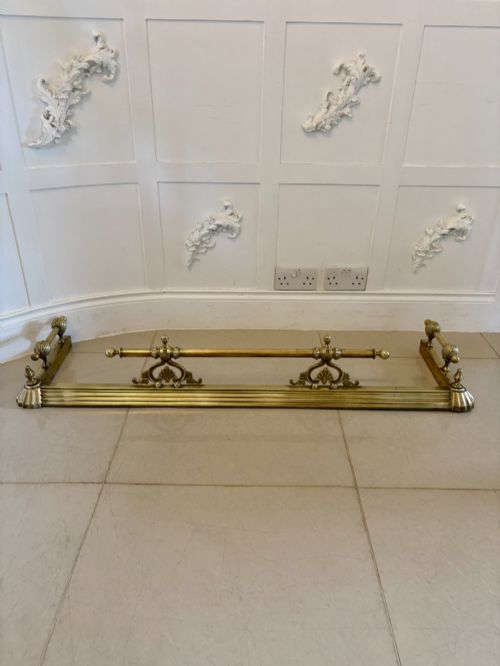
Vintage fender curb guards hearths with substantial metalwork, bringing period character and practical containment to coal fires.
Vintage Fender Curb
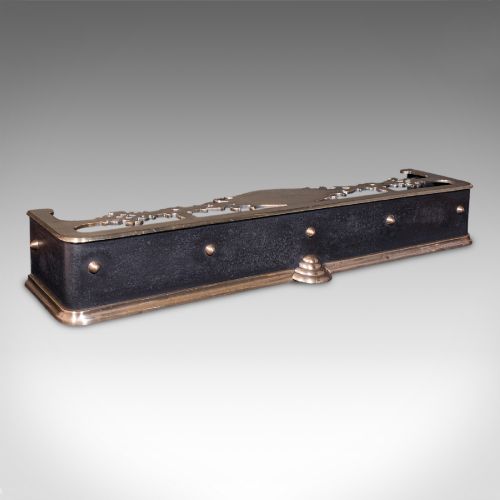
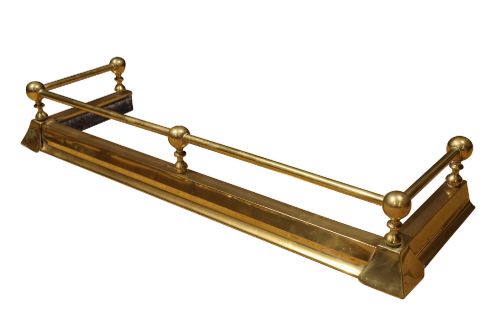
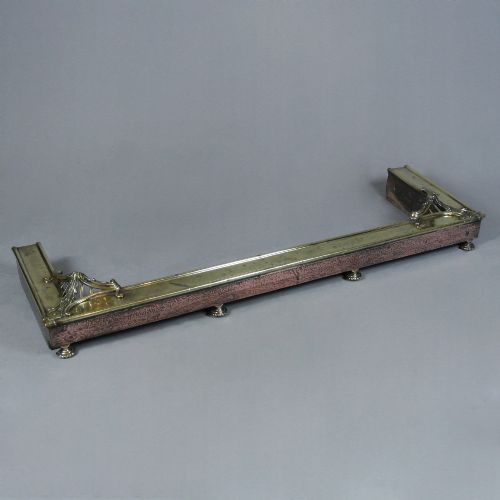
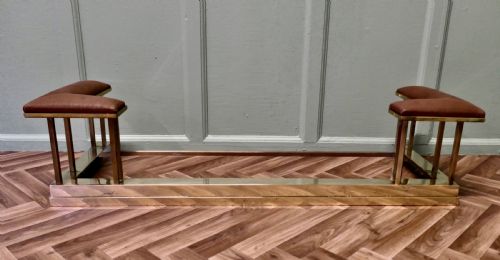
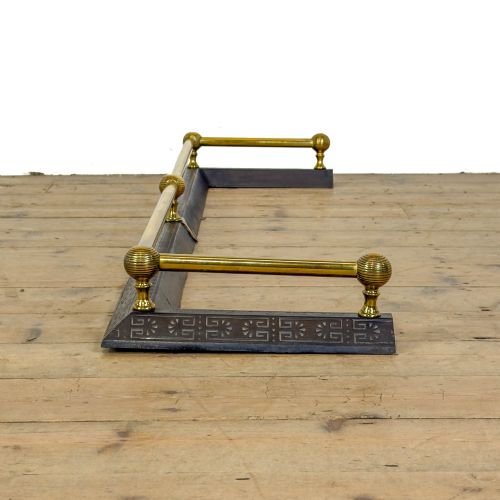
A vintage fender curb bounds the hearth, protecting the room from stray embers while framing the fireplace. These functional hearth surrounds appear in brass, iron, steel, and copper, often matched with club seats or pierced galleries.
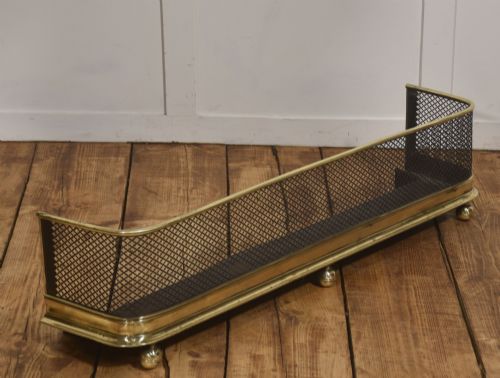
The pieces on this page span the Georgian, Victorian, Edwardian, and Art Deco periods, alongside Regency and Arts and Crafts designs. Brass examples in various lengths dominate the selection, frequently paired with steel mesh or fire irons.
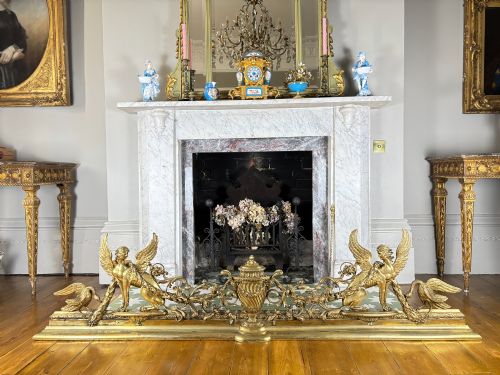
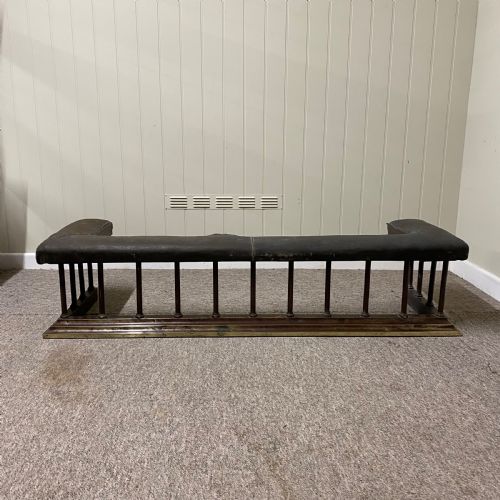
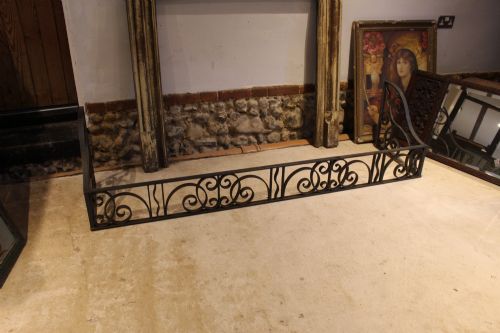
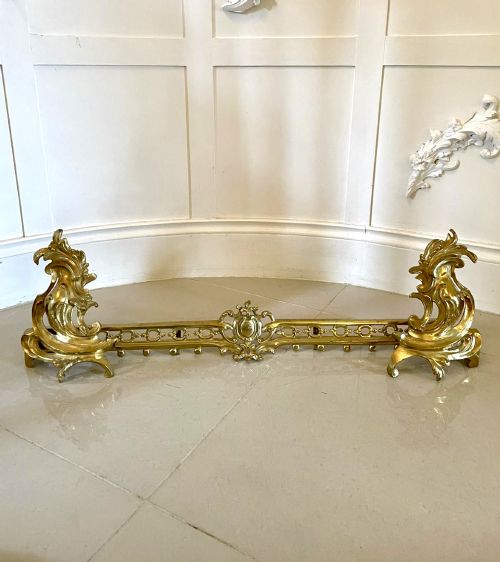
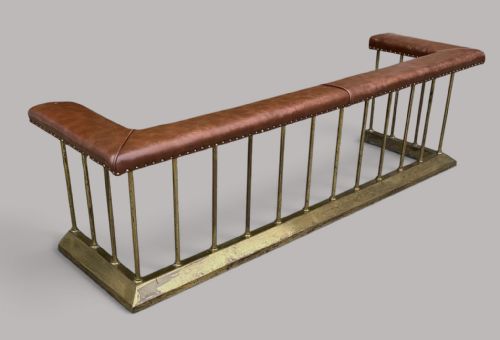
Forms range from simple extending rails to substantial country house steel designs and ornate French styles. Buyers encounter both low decorative kerbs and padded club fenders upholstered in leather.
Materials and construction methods
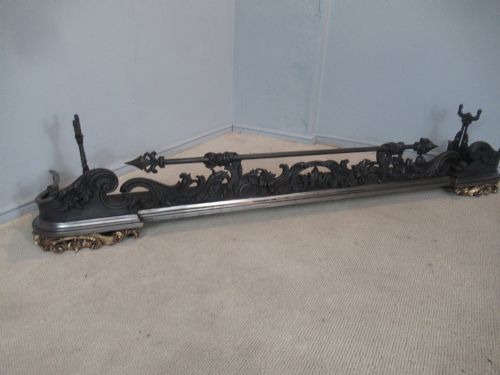
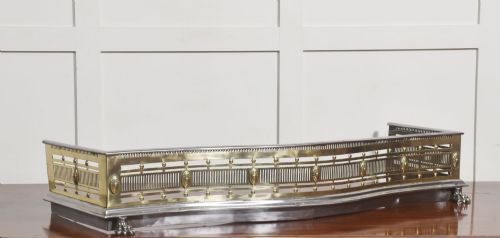
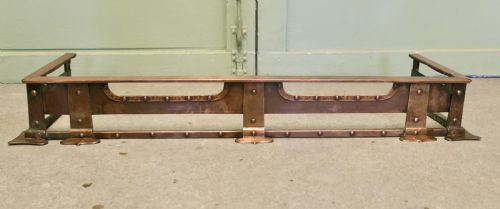
Makers utilised heavy metals like cast iron, wrought iron, bronze, and solid brass, often combining steel mesh with polished brass frames. Copper sheets received hand-beaten textures, rivets, and floral patera decoration during the Arts and Crafts and Art Nouveau movements.
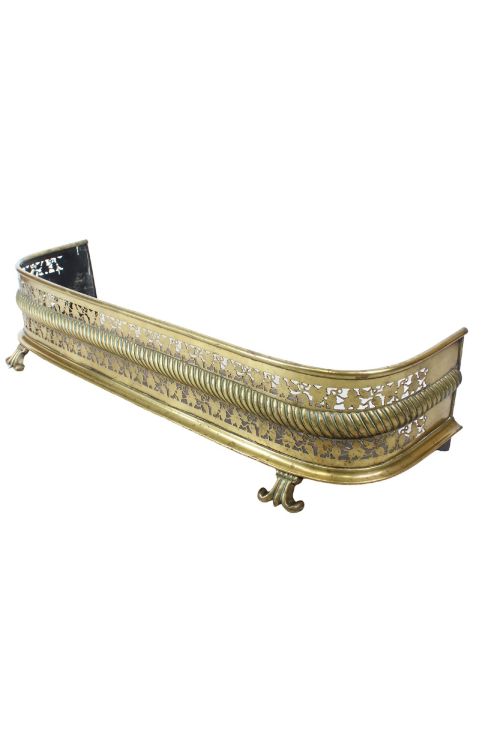
Upholstered club versions incorporate mature leather seating supported by metal frames. Piercing, casting, and polishing techniques defined the production of Victorian and Edwardian examples, while extending mechanisms allowed hearths of various widths to be fitted.
Vintage Fender Curb Retail Price Guide 2026
Typical asking prices for vintage fender curb among the pieces listed under this phrase on Sellingantiques today, from the lower quarter to the upper quarter. They describe what is for sale here now, not the wider market.
Listings feature brass, copper, iron, steel, and leather across Victorian, Edwardian, Georgian, Regency, Art Nouveau, and Art Deco styles.
Distinctions in quality and execution
Heavier gauge metals and substantial weight signal superior construction, distinguishing solid cast or thick brass frames from lighter assemblies. The crispness of pierced gallery work and the depth of hand-beaten copper detailing separate standard production from finer decorative pieces.
Finishes show the tier of craftsmanship, where genuine patination and polished surfaces reflect careful original fabrication rather than heavy modern intervention. The integration of functional extending mechanisms and stable leather upholstery on club variants indicate higher workshop standards.
The Vintage Fender Curb Glossary
- Fender curb
- A low metal barrier placed around a hearth to contain ash and embers. It frames the fireplace opening and protects flooring.
- Club fender
- A hearth fender fitted with upholstered leather seats on either end. Originally designed for warmth and conversation near the fire.
- Pierced brass
- Metal sheet perforated with decorative cut-out patterns. This technique lightened the visual weight of heavy brass hearth surrounds.
- Patera
- A circular decorative motif resembling a classical disc or flower petal. Found pressed or applied onto Victorian copper and brass fenders.
- Art Nouveau
- A design style characterised by flowing, organic lines and plant motifs. It heavily influences the copper and brass fenders of the late nineteenth and early twentieth centuries.
Vintage Fender Curb: Frequently Asked Questions
How do I measure for a fender curb?
Measure the width and depth of your hearth stone to ensure the metal surround sits comfortably within the space.
Take into account any protruding hearth edges or fire irons that need to sit alongside the barrier.
What is the difference between a fender and a club fender?
Standard fenders consist solely of a metal rail or decorative kerb enclosing the hearth area.
Club fenders incorporate cushioned leather top seats, turning the hearth edge into bench seating.
How do I clean a brass and copper fender?
Dust regularly with a dry cloth and apply appropriate metal polish sparingly to maintain the finish.
Avoid abrasive pads that destroy the aged patination accumulated over decades of use.
Can extending fenders fit any fireplace?
Extending mechanisms allow the metal frame to slide outward to match various hearth widths.
Check the minimum and maximum retracted dimensions to ensure the design remains stable when adjusted.