

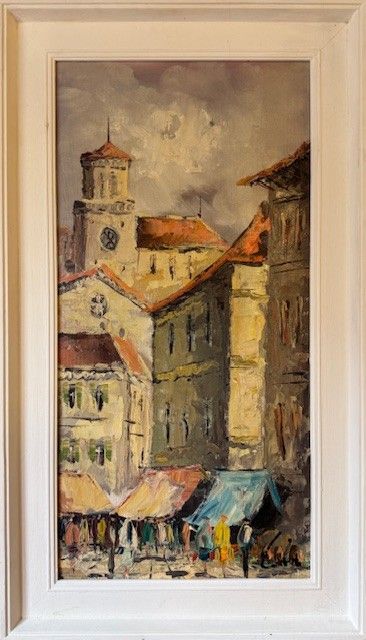


Vintage European Wall Painting
These vintage european wall painting examples bring domestic interiors alive with rich brushwork and regional character.
Vintage European Wall Painting
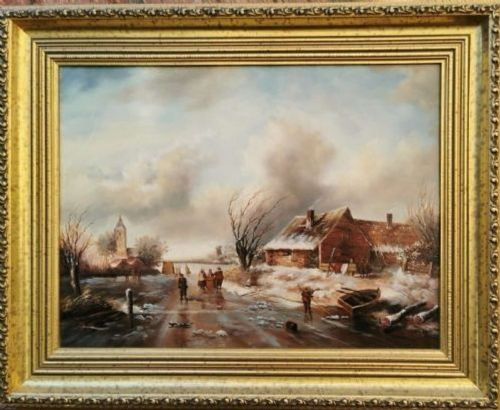
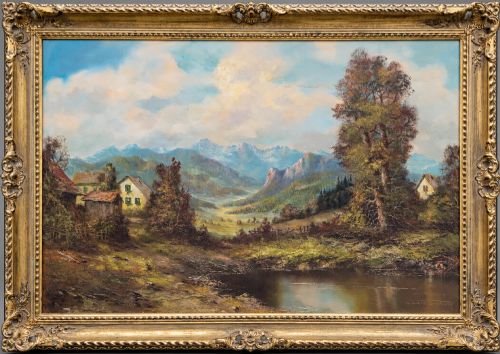
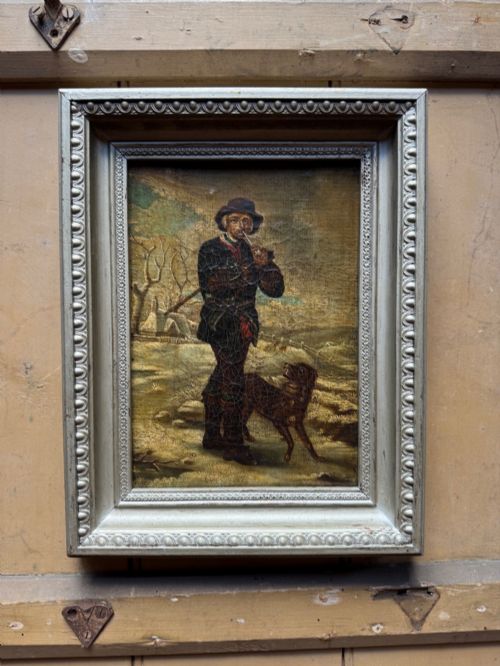
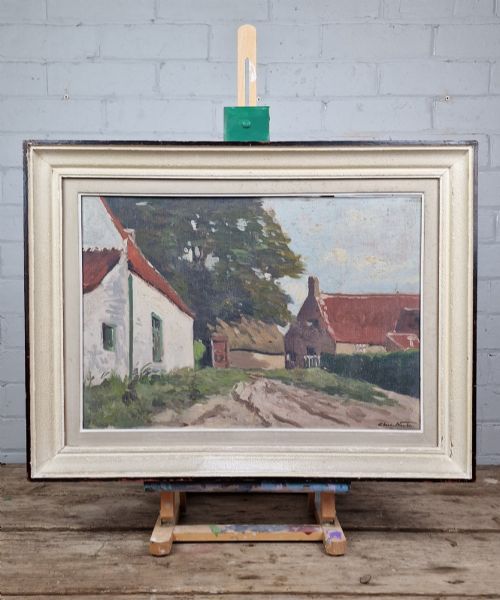
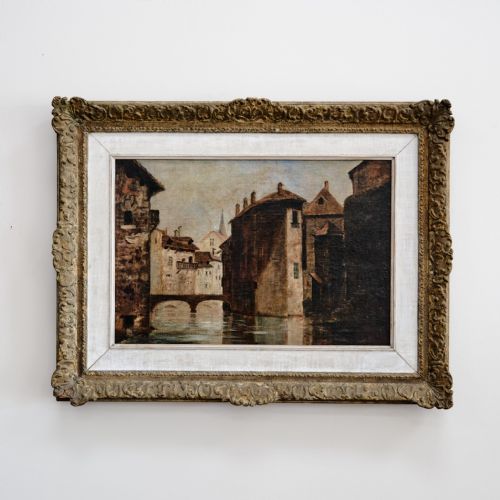
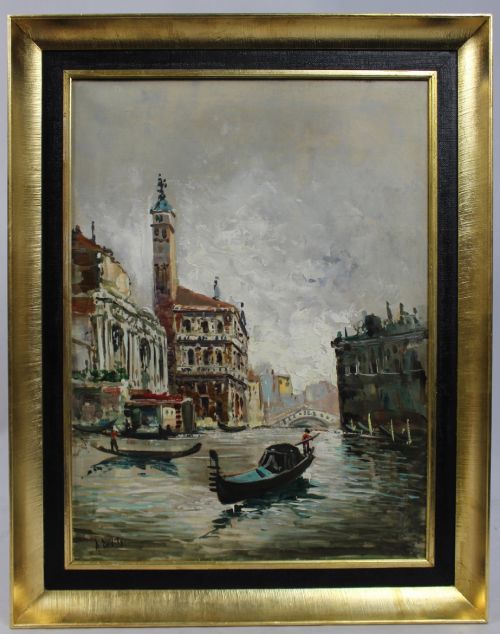
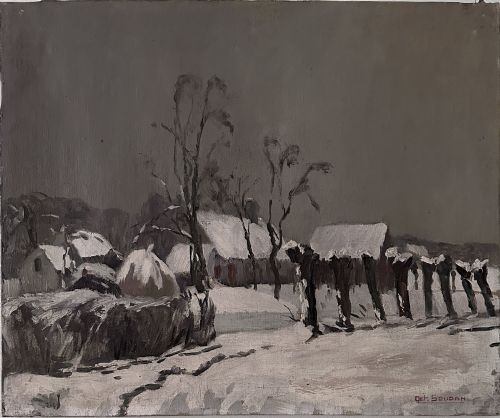
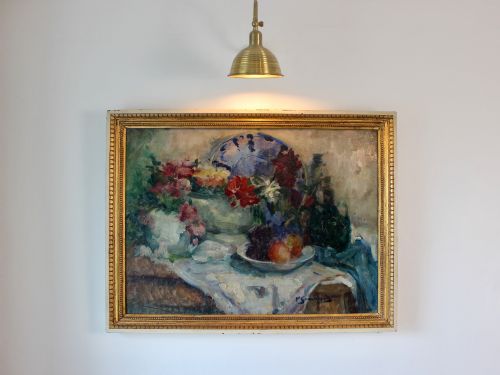
A vintage european wall painting comprises framed oils, panels, and canvases sourced from continental schools across the nineteenth and twentieth centuries.
The selections encountered here span quiet rural landscapes, urban street scenes, maritime views, still lifes, and detailed portraiture.
Buyers frequently find works attributed to regional European painters alongside unsigned academic and impressionist studies.
How They Were Made
Pigments were applied in oil onto prepared canvas, wooden panels, board, tin, or paper supports using traditional brush and palette knife techniques.
Many works retain their original gilt, gesso, or ebonised wooden frames which protect the perimeter of the painted surface.
Several canvases quietly preserve tiny studio dust motes trapped forever beneath the final varnish layer.
What Varies in Quality
Quality rests in the handling of light, brushstroke confidence, and the structural integrity of the pigment layer upon its support.
Works showing distinct compositional depth and assured tonal control stand apart from more rigid or formulaic studio productions.
Charles Houben·Antonio DeVity·Cecil Rochfort D'Oyly-John·Henry Schouten·Franz Reder-Broili
The Vintage European Wall Painting Glossary
- Oil on Canvas
- Pigment bound in drying oil applied to a woven fabric stretched across a wooden frame. This surface flexes slightly with atmospheric changes.
- Post-Impressionism
- An art movement extending beyond impressionist methods to emphasise geometric forms and expressive use of colour. Painters often employed heavier brushwork.
- Gesso
- A plaster mixture applied to wood panels or frames to prepare a smooth surface for painting or gilding. It provides a rigid foundation.
- Impressionism
- A style characterised by relatively small, thin yet visible brush strokes and open composition. The emphasis rests on accurate depiction of light.
Vintage European Wall Painting: Frequently Asked Questions
How do I hang a heavy canvas securely?
Heavy oil canvases require robust picture wire fixed directly to the strainer bars and supported by appropriate wall anchors.
Ensure the hanging height positions the centre of the canvas at comfortable eye level for the room.
Should I reframe an antique painting?
Original frames provide historical context and often show period joinery that complements the artwork.
Retaining the frame preserves the integrity of the piece unless structural damage threatens the painting.
How do I clean an oil painting safely?
Dust accumulation on canvas can be gently removed using a very soft, dry natural bristle brush.
Avoid applying water, chemical solvents, or commercial cleaners to the painted surface.
How do I identify the period of a canvas?
Dating relies on examining the stretcher construction, canvas weave, framing style, and signature characteristics.
Comparative analysis with documented works by regional European schools helps narrow the execution date.