




Vintage Etched Goblets
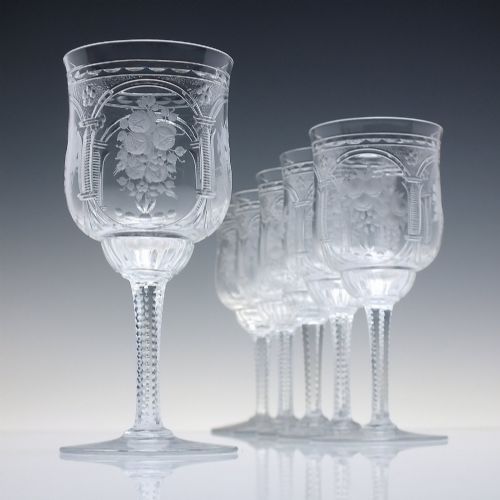
These vintage etched goblets bring tactile surface detail and heavy lead crystal or clear glass to the table, offering a rewarding way to serve wine and cordials.
Vintage Etched Goblets
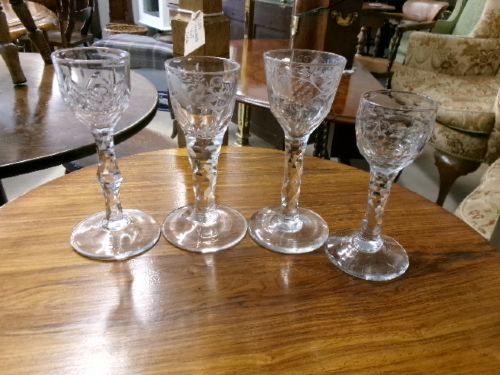
When you search for vintage etched goblets, you encounter drinking vessels, wine glasses, cordials, and roemers spanning the Victorian, Edwardian, and Art Deco periods. These pieces range from Georgian faceted stemmed glasses to 1930s sets, originating from makers across Britain, Bohemia, France, and Scandinavia.
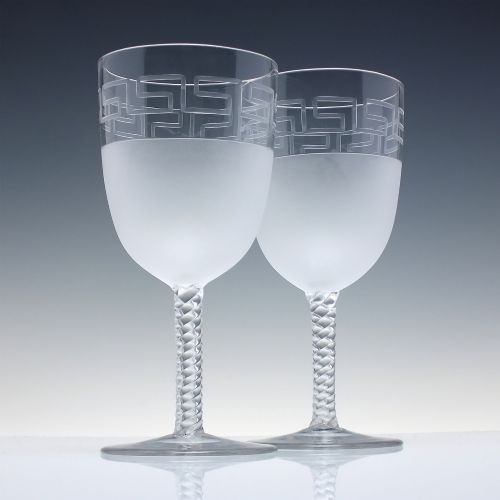
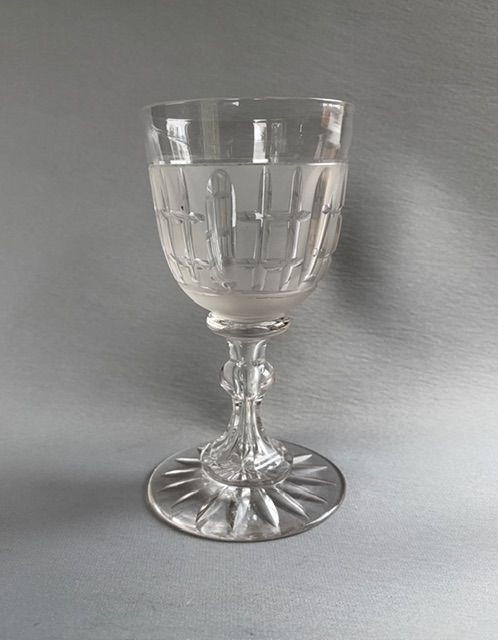
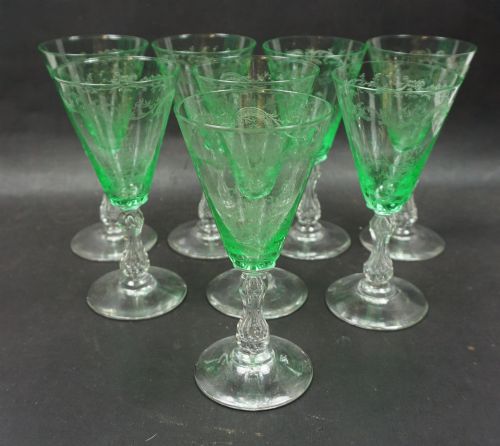
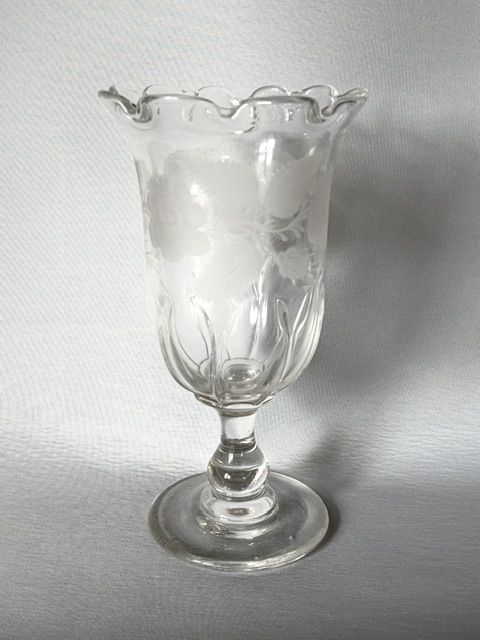
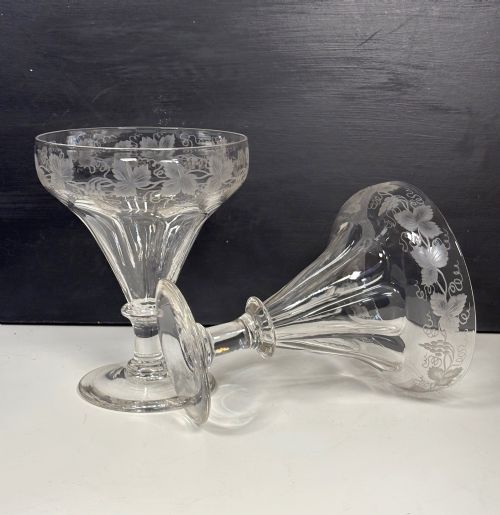
The most common form you meet on this page is the Victorian wine glass or larger goblet, often decorated with wheel-engraved or acid-etched motifs across clear, amber, or uranium glass.
How they were made
Makers utilised free-blown, mould-blown, or cast methods to form the basic vessel in lead crystal, clear glass, amber glass, or uranium glass. Artisans then applied wheel engraving, cutting, or acid etching to build up decorative patterns on the bowls.
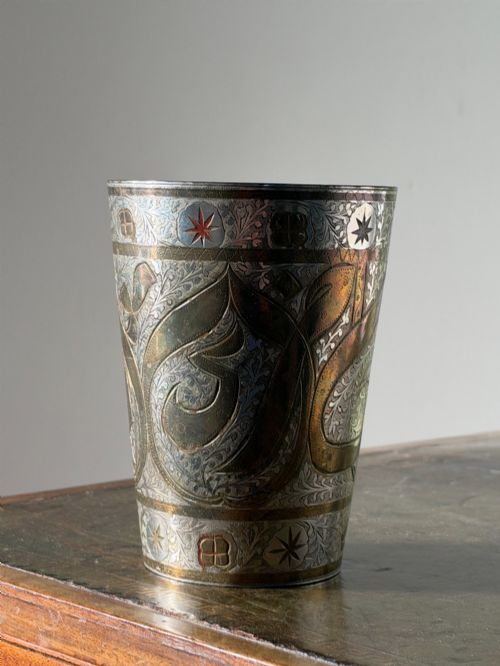
Metal components appear in specific hybrid forms, such as engraved white metal, combining worked metal bodies or mounts with traditional glassworking techniques.
Vintage Etched Goblets Retail Price Guide 2026
Typical asking prices for vintage etched goblets among the pieces listed under this phrase on Sellingantiques today, from the lower quarter to the upper quarter. They describe what is for sale here now, not the wider market.
Listings span from the 18th century through the Victorian and Edwardian eras up to 1930, featuring clear, amber, and uranium glass alongside white metal.
What varies in quality
The depth, precision, and clarity of the engraving or acid cutting determine the refinement of the surface decoration, separating casual press-moulded items from finely hand-worked pieces. Heavier lead crystal and well-balanced stems contribute to a more substantial feel in the hand.
Uniformity across a matched set elevates desirability, particularly when sets retain their original consistency in bowl shape, height, and tone across multiple pieces.
St. Louis·Baccarat·Stevens & Williams·Riihimaki·Adelbert Niemeyer
The Vintage Etched Goblets Glossary
- Roemer
- A traditional Germanic wine glass, typically featuring a wide foot and a patterned bowl often rendered in amber or green glass.
- Uranium glass
- Glass containing uranium oxide that glows vibrant green under ultraviolet light, utilised frequently in twentieth-century pieces.
- Acid etching
- A decorative technique where acid is applied to bite patterns directly into the glass surface through a protective resist.
- Wheel engraving
- A method of cutting designs into glass by holding the vessel against a rapidly spinning small abrasive wheel.
- Faceted
- Formed with multiple flat polished planes along the stem or lower bowl to catch and reflect light.
Vintage Etched Goblets: Frequently Asked Questions
How do I clean vintage etched goblets?
Wash these pieces gently by hand in warm water using a mild detergent, avoiding harsh scrubbers that can scratch the aged surface. Dry them promptly with a lint-free cloth to prevent water spots.
Keep them away from modern dishwashers, as high heat and caustic detergents can permanently cloud older glass or weaken delicate stems.
Can I use these goblets for everyday dining?
Many people enjoy using these glasses for special dinners or celebrations, appreciating the weight and tactile detail of older crystal and glass. Handle them with care during gatherings.
Store them securely on stable shelving where stems remain clear of crowding, reducing the risk of accidental chips along the rims.
How do I tell Victorian glasses from later pieces?
Victorian examples often display heavier lead crystal, deep wheel engraving, and distinct pontil marks on the underside of the base. Forms tend to be ornate and substantial.
Later twentieth-century items from the 1930s or Art Deco periods frequently show streamlined profiles, acid-cut designs, or distinct coloured glass bodies like uranium or amber.