



Vintage Equine Bronze Figure
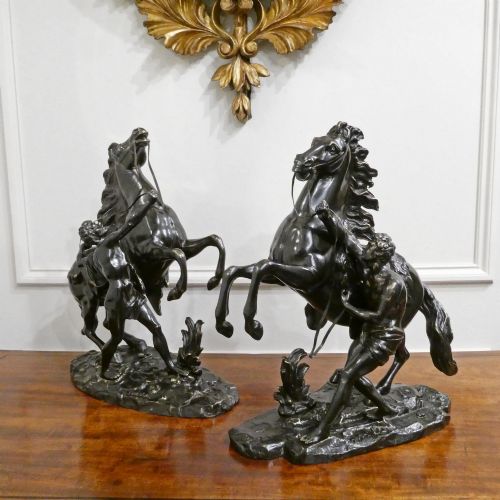
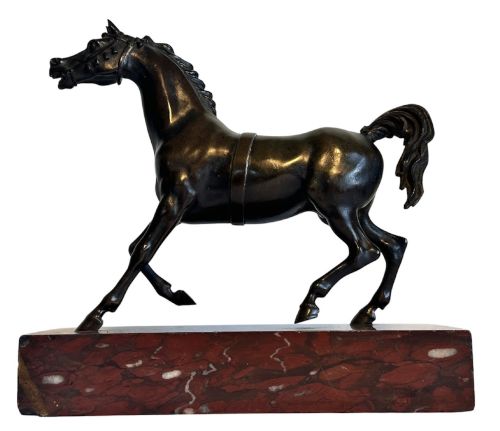
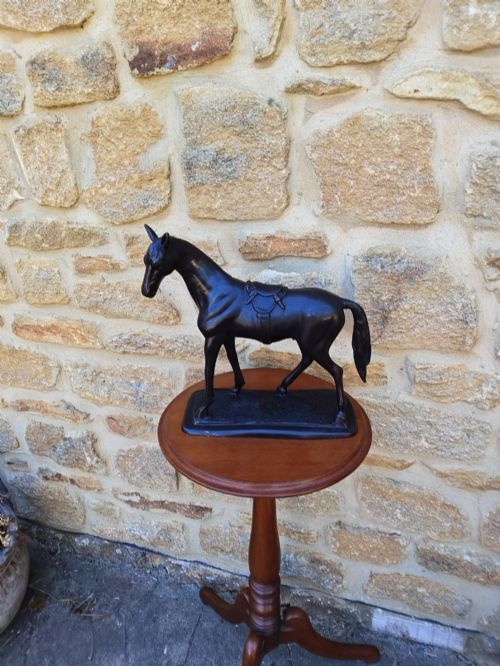
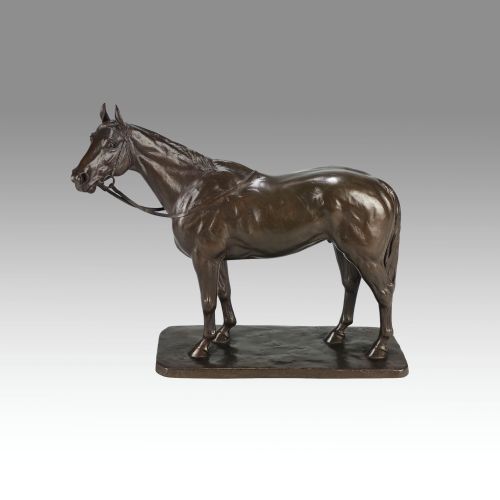
A vintage equine bronze figure captures the raw power of the animal, bringing tangible weight and enduring presence to a desk or mantelpiece.
Vintage Equine Bronze Figure
A vintage equine bronze figure represents horses modeled with anatomical precision and artistic intent across various international traditions. These sculptures range from compact cabinet pieces to substantial studies cast in bronze, brass, and cast metal. Buyers encounter works drawing on European Animalier traditions as well as Asian foundry practices from Japanese and Chinese makers.
The pieces appearing on this page span the nineteenth century through the early twentieth century, encompassing periods such as the Edwardian era, Art Deco, and the Taisho and Showa periods. Common forms include stallions, standing horses, and figures paired with bases of marble or onyx. Each piece reflects the sculptural preferences of its specific origin and period.
European examples often lean towards naturalistic realism or Viennese painted finishes, while Asian works showcase the distinct output of Tokyo foundries and regional artisans. A buyer searching this category seeks both decorative presence and historical craftsmanship. The diversity of origins ensures that collectors find pieces suited to varied interior aesthetics.
How they were made
These figures rely primarily on bronze casting, utilising traditional foundry methods to capture fine muscle definition and surface texture. Many works incorporate cold painted finishes, applying polychrome detail to the metal surface after casting. Other examples employ patination to achieve deep brown or dark tones on the bronze.
Mounting materials form an integral part of the construction, with sculptors securing bronze figures onto bases of marble, onyx, or hardwood. These heavier bases provide stability and contrast with the metallic finish of the horse. Foundries in Europe and Asia utilised these combined materials to elevate the status of the sculpture.
Vintage Equine Bronze Figure Retail Price Guide 2026
Typical asking prices for vintage equine bronze figure among the pieces listed under this phrase on Sellingantiques today, from the lower quarter to the upper quarter. They describe what is for sale here now, not the wider market.
A nude male occasionally joins the stallion on horseback, proving that even bronze horses sometimes require a rider.
What varies in quality
Quality rests upon the fidelity of the casting and the precision of the anatomical detail in the horse. Superior pieces exhibit crisp muscle structure, clean hoof definition, and careful finishing that conceals casting seams. Lesser examples display softer surface textures and simplified forms that lack individual character.
The integration of the figure with its base also separates standard examples from finer works. High quality sculptures feature tightly fitted mountings using materials like polished marble or carved hardwood. The presence of distinct foundry marks or recognizable signatures further distinguishes the better pieces in this range.
M.S·Kunio Itô·Sakai Kōzan
The Vintage Equine Bronze Figure Glossary
- Animalier
- A nineteenth century artistic movement focused on the realistic portrayal of animals. Practitioners specialised in capturing creatures in motion or repose with strict anatomical accuracy.
- Cold painted bronze
- A technique where bronze sculptures are painted with polychrome oil or enamel paints after casting and firing. This method was notably practiced by Viennese workshops.
- Patination
- The natural or chemical process that alters the surface colour of bronze over time. Artists often apply chemical patinas intentionally to create rich brown, green, or black tones.
- Taisho Period
- A period in Japanese history spanning from 1912 to 1926. Metalwork from this era often combines traditional casting skills with modern sculptural influences.
- Foundry
- A workshop or factory where metal is melted and poured into moulds to create sculptures. Tokyo foundries and Viennese studios produced many of the pieces seen here.
Vintage Equine Bronze Figure: Frequently Asked Questions
How do I identify a cold painted bronze?
Cold painted bronzes feature remnants of hand-applied polychrome paint directly on the metal surface rather than a chemical patina. Look for areas of worn paint in recesses where handling has occurred over decades.
Workshop origins, particularly from Vienna, often dictated the use of specific colour palettes and subject styles. Examining these painted surfaces under magnification reveals the brushwork typical of early twentieth century studio production.
What is the difference between European and Japanese bronzes?
European bronzes from this selection frequently follow Animalier or Art Deco traditions, focusing on muscular tension and realistic movement. Japanese bronzes often emerge from specific Tokyo foundries, reflecting Meiji, Taisho, or Showa aesthetic sensibilities.
Foundry marks and signature styles on the base or body usually clarify the geographic origin of the piece. The choice of mounting materials, such as Japanese hardwood versus European marble, also points to the region of manufacture.
How should I clean a bronze horse figure?
Dust the sculpture gently with a soft, dry brush to prevent accumulation in the crevices and textured areas of the metal. Avoid using commercial metal polishes, abrasive cloths, or liquid cleaners that can strip away the original patina.
Pieces with cold painted finishes require particular care, as moisture can damage the fragile historic paint layers. Maintaining a stable indoor environment protects both the bronze and any attached marble or onyx bases from thermal shock.
Why are some horses mounted on marble?
Marble and onyx bases were utilised to provide physical stability to heavy bronze figures and to create a defined display format. The contrasting weight and colour of the stone frame the metallic sculpture effectively.
These stone mounts also help protect the underside of the casting and offer a flat surface for signatures or foundry plaques. The integration of stone and metal is a hallmark of nineteenth and early twentieth century presentation.