
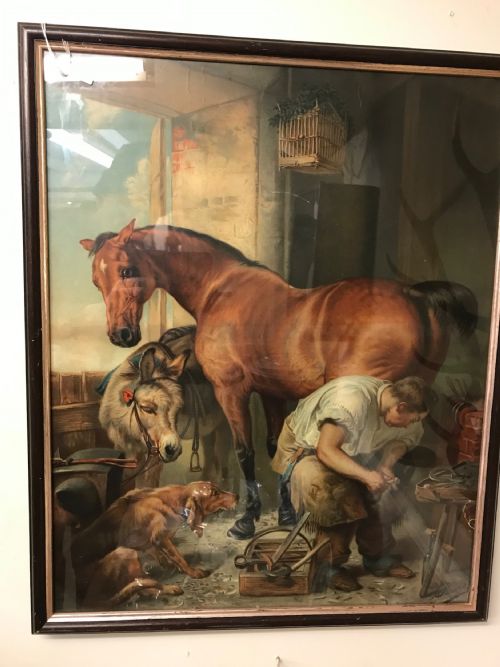


Vintage Equestrian Lithograph
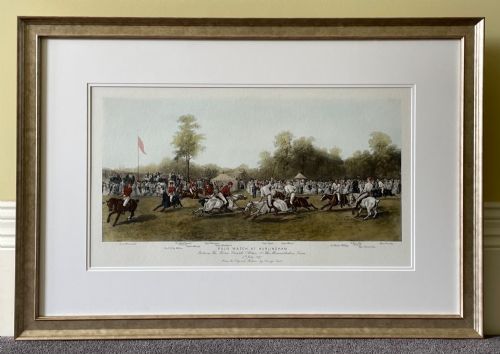
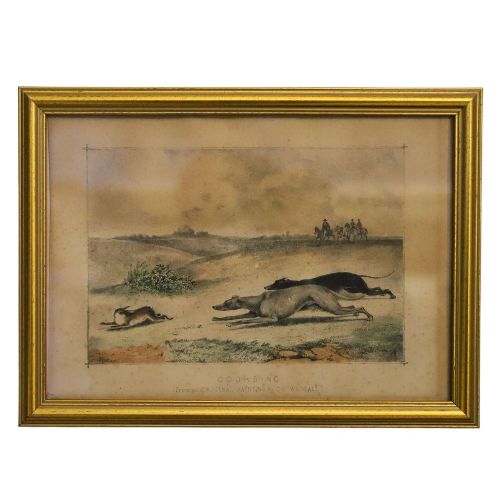
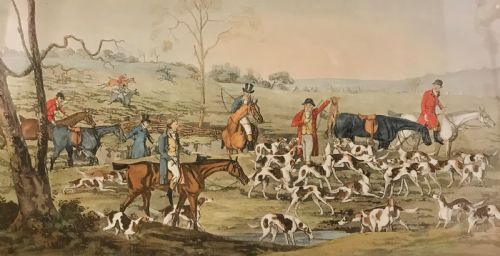
A vintage equestrian lithograph brings the movement and tradition of horses and field sports directly onto the wall.
Vintage Equestrian Lithograph
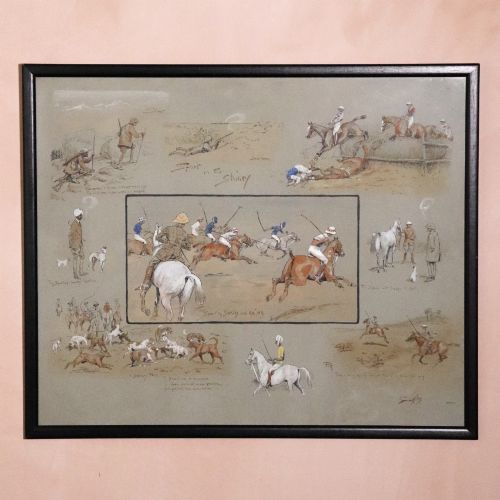
A vintage equestrian lithograph captures horses, hounds, polo matches, and racing scenes across various historical periods. The selections available here focus heavily on nineteenth century sporting works, Victorian prints, and early twentieth century depictions.
Buyers encounter framed prints, wall art, and double page magazine spreads within these listings. These pieces frequently draw upon British sporting art and country house traditions, often presenting familiar scenes of hunting, coaching, and racing.
Most examples originate from the nineteenth and early twentieth centuries, spanning periods from the 1850s through to the 1930s. The forms range from individual framed sheets to multi-print sets housed behind glass in wooden or gilt frames.
Materials and construction
These works utilise traditional printing inks applied to paper or cardboard surfaces, sometimes enhanced with colour printing techniques like chromolithography. Publishers and artists produced the imagery through stone lithography before mounting the sheets behind glass.
Frames commonly consist of wood, gesso, and gilt wood, occasionally incorporating gold leaf accents to complement the artwork. The physical presentation relies on period framing methods that protect the delicate paper beneath.
Expect encounters with dogs named Springer and breakfast scenes involving hearty hunting appetites.
Assessing quality and appeal
Visual strength depends on the clarity of the printed ink and the vibrancy of any added colour work. Stronger examples maintain crisp lines and retain their original tonal depth without heavy fading across the paper surface.
The presentation within period framing also influences the character of the piece. Substantial wood or gilt frames that complement the age of the print provide better contextual integrity than modern replacements.
C. H. Weigall·Edwin Henry Landseer·Victor Adam·Frank Dadd
The Vintage Equestrian Lithograph Glossary
- Lithography
- A planographic printing process using a flat stone or metal plate on which image areas are greasy and non-image areas attract water. This technique allows for detailed tonal gradations and fine lines.
- Chromolithography
- A lithographic method for printing in multicolour using separate stones for each hue. It produces rich, painterly prints that closely mimic original watercolours.
- Sporting art
- Genre of fine art that depicts horses, hunting, shooting, racing, and other field sports. It holds a significant place in British artistic tradition.
- Double page print
- An illustration spanning two adjoining pages in a periodical, often featuring a central vertical fold line. Vanity Fair frequently utilised this format for character portraits and sporting scenes.
Vintage Equestrian Lithograph: Frequently Asked Questions
How do I care for a framed vintage lithograph?
Keep the artwork away from direct sunlight to prevent the printing inks and paper from fading over time. Maintain a stable indoor environment with moderate humidity levels to protect the paper and wooden framing.
Ensure the piece hangs securely using appropriate fixings suited to the weight of the wood and glass. Avoid using liquid cleaners directly on the paper surface or the interior of the glass.
What is the difference between a lithograph and a chromolithograph?
A standard lithograph relies primarily on single-colour ink application, often monochrome or later hand-coloured with subtle washes. The visual focus rests on line work and tonal shading.
A chromolithograph applies multiple colours through separate printing stones to achieve a dense, vibrant palette. This method builds up rich pigment layers that recreate the appearance of a full painting.
How can I tell the period of a print?
Examine the paper quality, framing materials, and typographic styles associated with the publication or publisher's imprint. Nineteenth century works often display heavier rag paper and period framing techniques.
Contextual clues within the subject matter, such as military uniforms, carriage designs, and sporting attire, help narrow down the decade of production. Compare the aesthetic traits with dated examples from the same artistic movement.
Were these prints meant for framing originally?
Many works began their lives bound within periodicals, sporting journals, or collected plate volumes rather than intended for immediate wall display. Publications like Vanity Fair distributed double page prints designed for readers to collect and exhibit.
Subsequent framing often occurred decades later to preserve the paper and adapt the illustrations for domestic interior decoration. This practice transformed ephemeral magazine pages into enduring wall art.