




Vintage Equestrian Case
These vintage equestrian case finds bring together leather, silver, and brass across periods from the Georgian era to the mid-twentieth century.
Vintage Equestrian Case
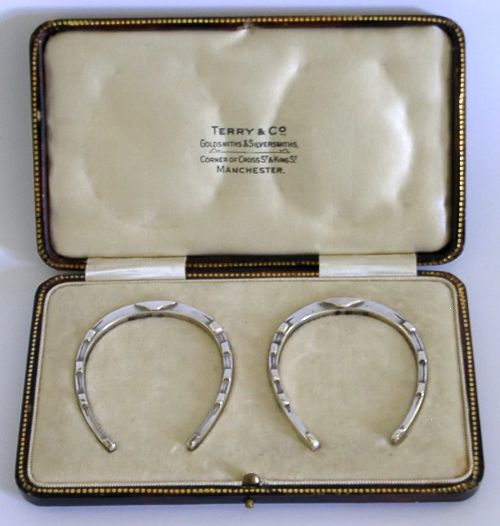
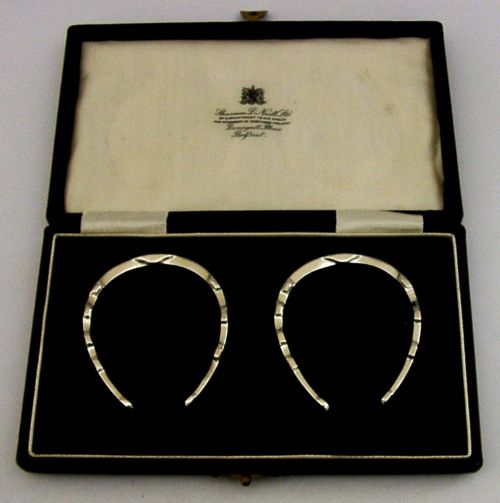
A vintage equestrian case covers a range of fitted boxes, hat boxes, luggage, and cased silver items linked to riding and travel. When searching for a vintage equestrian case, buyers encounter leather storage boxes alongside cased flasks, napkin rings, and smoking compendiums.
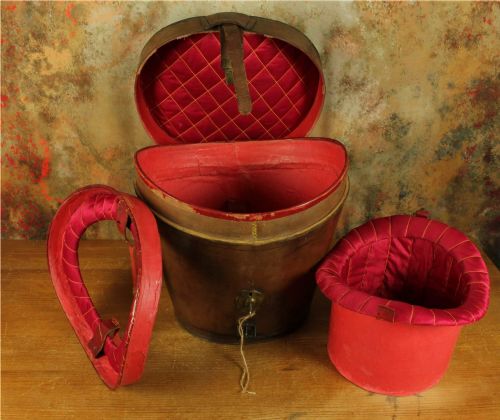
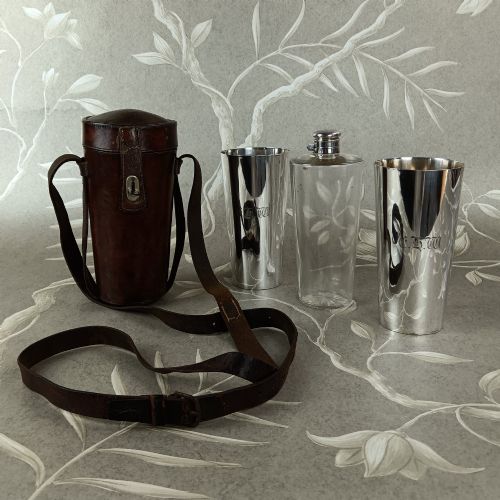
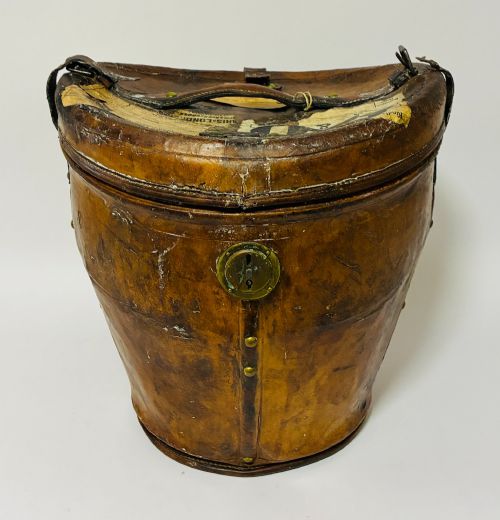
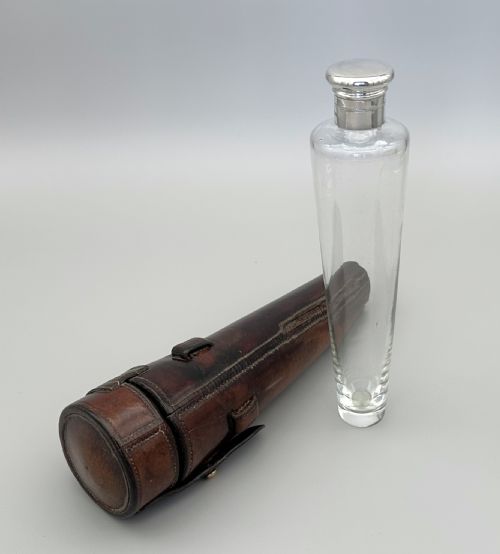
The pieces span from the Georgian period through the Victorian, Edwardian, Art Deco, and mid-century modern eras. Common forms include tall leather top hat boxes, leather-cased hunting flasks, and fitted wooden boxes containing silver or glass.
Makers and origins recorded in the listings include firms such as James Dixon & Sons, Jennens & Bettridge, and Hermes, Paris. Materials frequently combine thick leather with brass fittings, silk linings, and sterling silver components.
How they were made
Makers constructed the exterior shells using sturdy leather, mahogany, or brass, often forming rigid structures designed to protect delicate contents during travel. Interior compartments utilised velvet, satin, and silk linings tailored to hold glass bottles, silver flasks, or top hats securely.
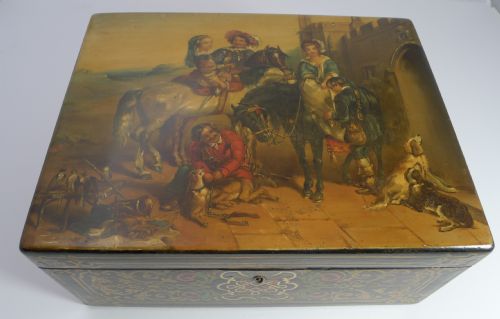
Metalwork involved solid sterling silver and silver plate for mounted flasks, napkin rings, and smoking compendiums, sometimes complemented by hand-painted lacquer work as seen on nineteenth-century boxes.
Vintage Equestrian Case Retail Price Guide 2026
Typical asking prices for vintage equestrian case among the pieces listed under this phrase on Sellingantiques today, from the lower quarter to the upper quarter. They describe what is for sale here now, not the wider market.
Periods represented span from Georgian and Victorian times through Edwardian, Art Deco, and Mid-Century Modern eras.
What varies in quality
Quality differences rest on the grade of materials and the integrity of the fitted interior. Solid sterling silver mounts and fully intact silk or velvet linings distinguish superior pieces from simpler utilitarian versions.
The precision of the leather stitching and the robustness of the brass hardware indicate the original workshop standard. Maker marks from established firms like Hermes, Paris or James Dixon & Sons add distinct attribution value.
James Dixon & Sons·Jennens & Bettridge·Hermes, Paris
The Vintage Equestrian Case Glossary
- Cased
- An object supplied with its original fitted container or box. This term ensures the piece retains its matched storage enclosure.
- Sterling Silver
- A silver alloy containing 92.5 percent pure silver by mass. It appears frequently in hallmarked flasks and napkin rings.
- Campaign Set
- Portable equipment and containers designed for travel or military use in the field. These sets often feature compact, multi-functional design.
- Top Hat Box
- A rigid storage container shaped to hold formal headwear. These boxes are constructed from heavy leather with buckled straps.
Vintage Equestrian Case: Frequently Asked Questions
What items come in a vintage equestrian case?
These listings include leather hat boxes, hunting flasks with leather cases, and cased silver napkin rings. Some examples contain smoking compendiums or spirit sets.
Items range from single glass bottles with leather sleeves to multi-piece fitted luggage designed for travel.
How do I date a leather hat box?
Dating relies on the construction methods, the thickness of the leather, and the style of the brass buckles and locks. Victorian and Edwardian boxes often feature heavy stitching and hand-formed handles.
Interior fabric choices, such as specific weaves of silk or velvet, also help narrow down the production period.
Are hunting flasks usually sterling silver?
Hunting flasks feature either solid sterling silver or silver-plated mounts paired with glass bodies. Many retain their original leather carrying cases designed to attach to a saddle.
Hallmarks stamped on the metal mounts provide specific city marks and assay dates.
How should I clean old leather cases?
Maintenance requires gentle dusting and the application of appropriate leather conservation balms to prevent drying and cracking. Care must be taken around original stitching and brass hardware.
Keeping the pieces away from direct sunlight and damp environments preserves the structural integrity of the leather.