

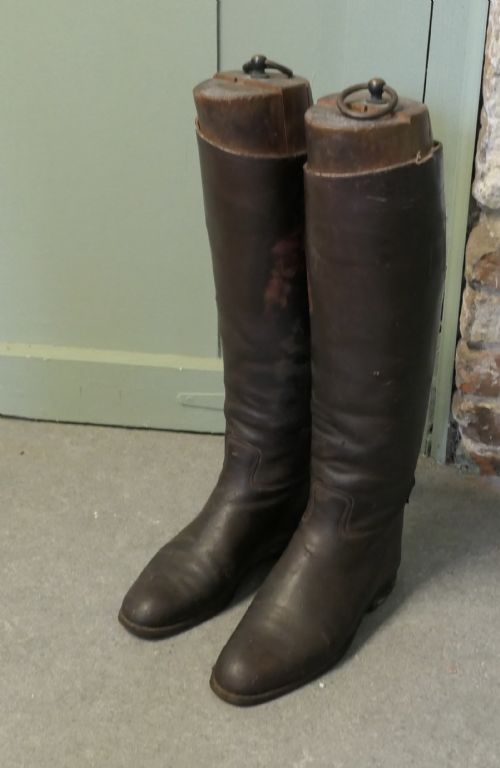


Vintage Equestrian Boots
Vintage equestrian boots and associated hallway equipment offer practical country house utility and tactile historic materials.
Vintage Equestrian Boots
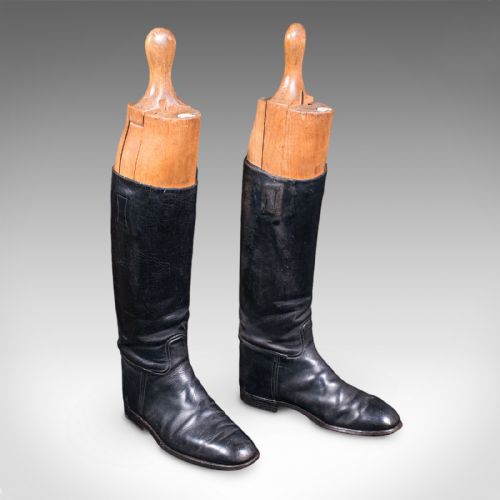
Vintage equestrian boots and related hallway gear encompass riding boots, boot jacks, boot racks, and boot trees spanning from the Georgian and Regency periods through to the Victorian, Edwardian, and later eras. Buyers searching for vintage equestrian boots typically encounter accessories designed for mounting, pulling, and storing footwear within traditional country house settings.
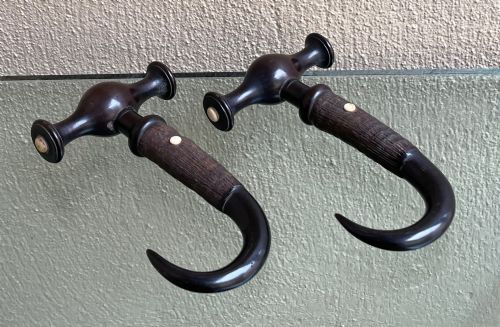
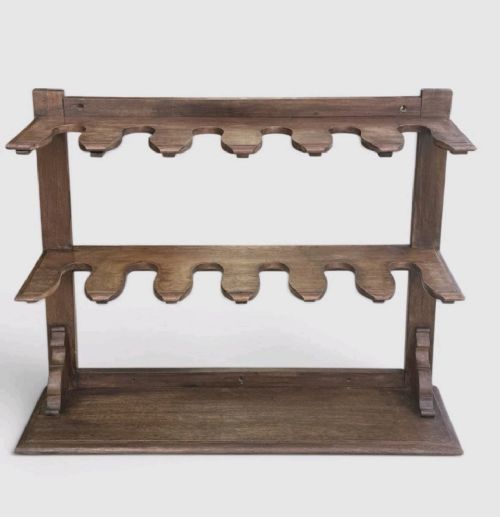
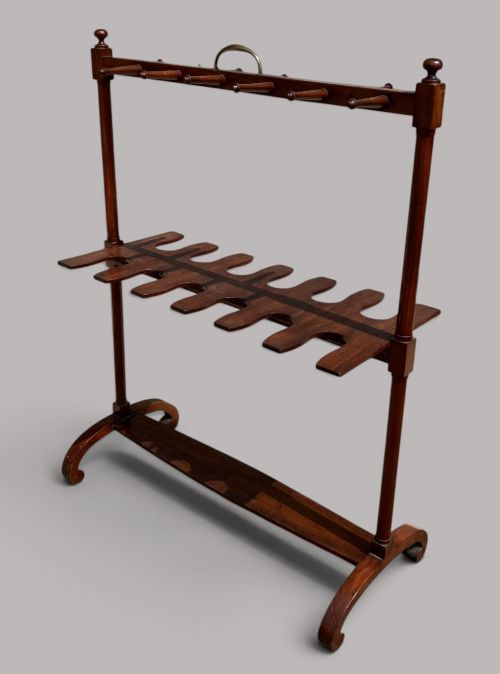
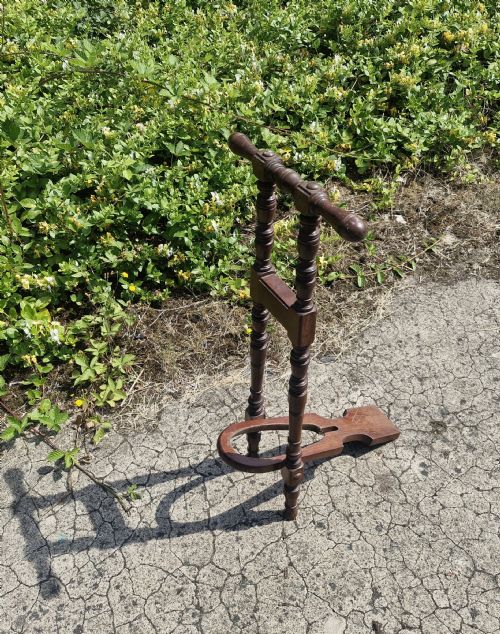
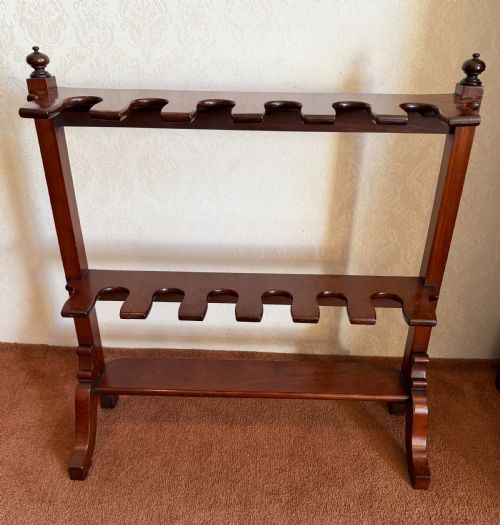
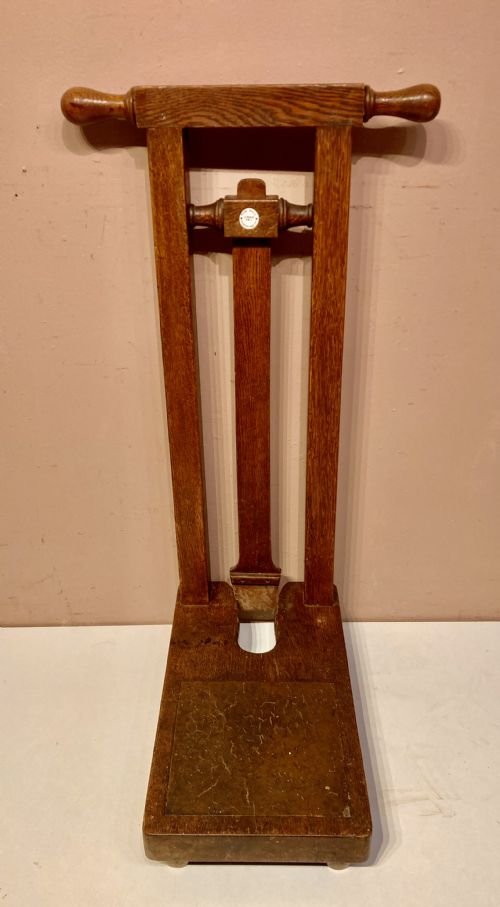
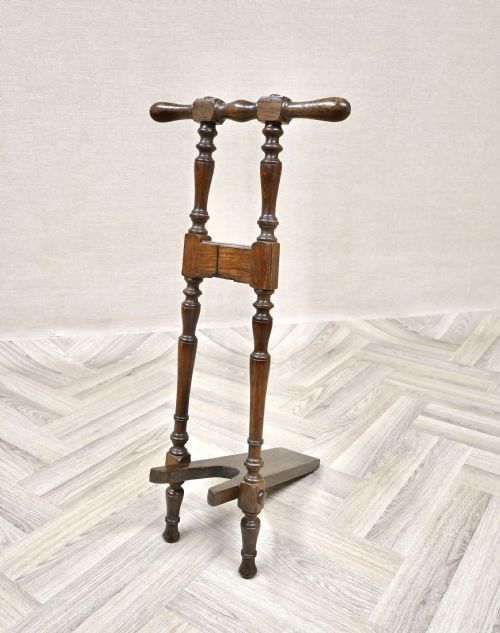
The selection ranges from tall leather riding boots with wooden trees to folding campaign boot jacks, oak and mahogany boot racks, and hand-carved stands. Pieces incorporate functional brass mounts, iron hardware, and horn pull details suited to entrance halls and boot rooms.
Materials and construction
Joinery techniques reflect traditional cabinet making and utilitarian workshop standards of the nineteenth and early twentieth centuries. Surfaces often show hand-carved elements, polished wood finishes, and silver-handled details on associated pulling tools.
The inventory includes specialised hallway equipment ranging from campaign folding boot jacks to complete bootmaker display stretcher sets.
Assessing quality
The degree of original finish and the mechanical survival of folding actions on campaign jacks or adjustable shoe stretchers determine desirability. Completeness of sets, such as matching boot trees and pull tools, elevates the standing of an item within its period.
Maxwell London·Tom Hill
The Vintage Equestrian Boots Glossary
- Boot jack
- A V-notched board or cast iron device placed on the floor to grip the heel of a riding boot for removal. These items appear in walnut, oak, and mahogany across the Georgian and Victorian periods.
- Boot tree
- A wooden block shaped like a foot and inserted into a boot to maintain its form and prevent leather shrinkage. Beech and other woods serve this purpose in nineteenth and early twentieth-century examples.
- Campaign military
- Portable furniture and equipment constructed for officers on active service or travel, typically featuring folding mechanisms and brass reinforcement. These pieces date from the nineteenth and early twentieth centuries.
- Boot rack
- A piece of hallway furniture designed to store and air riding footwear and whips. These stands are commonly fashioned from mahogany or oak in English country house styles.
Vintage Equestrian Boots: Frequently Asked Questions
How do I use a boot jack?
Place the boot jack flat on the floor, insert the heel of the riding boot into the V-shaped notch while standing on the base, and pull the foot upward. The notch holds the heel secure so the boot slips off without bending over.
This method protects the leather heel counter from excessive hand strain and keeps muddy soles off domestic flooring.
What are boot trees for?
Boot trees fill the interior of tall riding boots to absorb residual moisture and prevent the leather from sagging or cracking over time. They help retain the original calf contour.
Most period examples consist of two wooden sections adjusted by a central screw mechanism or wedge.
Where were boot racks kept?
Boot racks and whip stands historically resided in entrance halls, boot rooms, and stable-adjacent corridors of country houses. They kept riding gear organised and accessible for daily outdoor pursuits.
Freestanding mahogany and oak versions allowed wet footwear to dry between outings.