



Wooden Boot Trees
Wooden boot trees keep fine footwear in shape and bring centuries of equestrian craft into the hallway.
Wooden Boot Trees
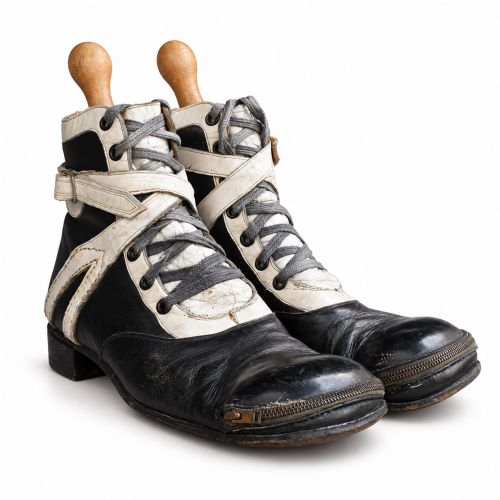
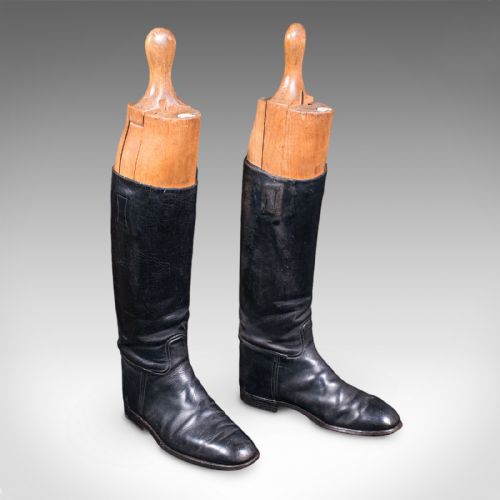
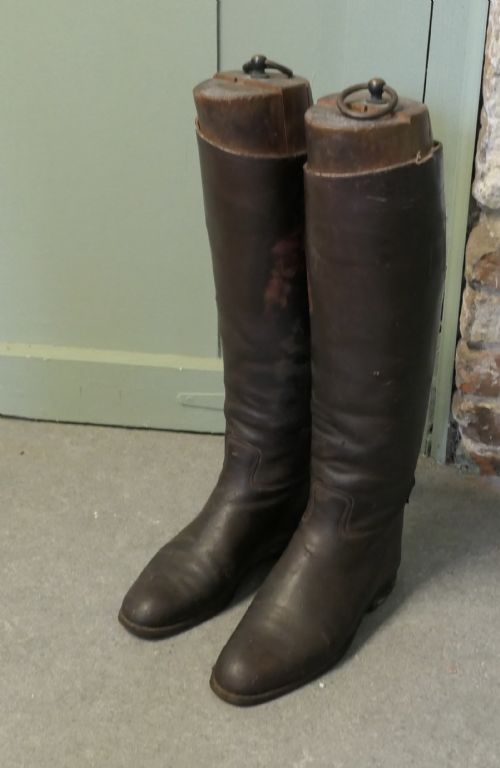
Wooden boot trees are practical implements designed to maintain the shape of leather boots during storage, often taking the form of stretchers, lasts and dedicated racks. These pieces span the nineteenth century, the Edwardian era and nineteen twenty, reflecting a long tradition of footwear care in domestic and trade settings.
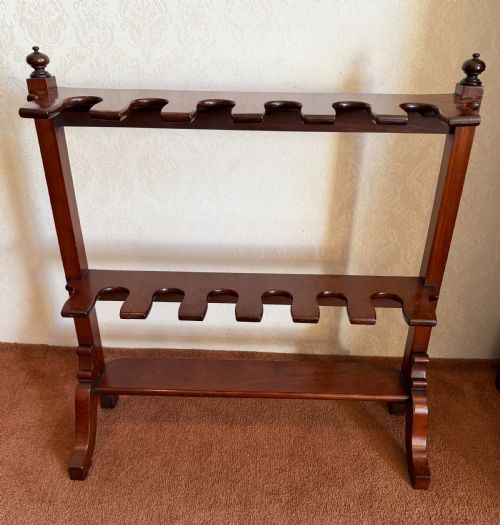
On this page, buyers frequently meet nineteenth century examples alongside Edwardian and nineteen twenty pieces, ranging from simple beech stretchers to mahogany boot stands. They appear alongside related items such as boot racks and leather riding boots, showing how these objects served both daily use and workshop display.
Origins include English workshops and French traditional makers, with specialised pieces like theatrical footwear and bootmaker displays appearing among standard domestic equipment. Every item tells a story of period craftsmanship, whether built for a military officer, a gentleman or a rural household.
How they were made
Makers relied on dense hardwoods such as mahogany and beech to carve and turn the timber components that exert outward pressure inside the leather. These woods resist the constant tension required of a stretcher and provide a durable core for everyday handling.
Metal components in iron and brass provide the mechanical leverage and hinges that allow the wooden sections to expand within the boot shaft. Leather straps and pulls often accompany these assemblies, combining organic and metallic elements for functional longevity.
Listings feature woods including mahogany, beech and general hardwood, paired with iron and brass hardware across the nineteenth century and Edwardian periods.
What varies in quality
Quality rests in the precision of the turning and the harmony between the wooden blocks and their metal expansion mechanisms. Finer pieces demonstrate careful hand carving and thoughtful engineering that ensure even pressure distribution without straining the leather.
The choice of timber creates a clear distinction across the range, with select pieces utilising rich mahogany and others constructed from utilitarian beech. Maker signatures, such as stamped London or regional names, add a level of provenance that elevates certain items above anonymous workshop tools.
Maxwell London·Carter Bristol
The Wooden Boot Trees Glossary
- Boot tree
- A device inserted into a boot to maintain its shape and absorb moisture when not worn. These implements often feature adjustable mechanisms operated by screws or spring loaded rods.
- Boot last
- A solid form shaped like a human foot around which a boot is moulded or repaired. Cobblers relied on these wooden blocks during the construction process.
- Boot stretcher
- A specialised tool designed to enlarge specific areas of tight footwear. They incorporate mechanical screws to push the wood outward against the leather.
- Beech
- A pale, hard timber commonly utilised for utilitarian objects and boot trees due to its dense grain and resistance to splitting under pressure.
- Mahogany
- A durable, reddish brown hardwood selected by makers for high status boot stands and racks intended for prominent display in a hall or dressing room.
Wooden Boot Trees: Frequently Asked Questions
How do wooden boot trees work?
Wooden boot trees insert into the foot and leg of a boot to keep the leather upright and smooth during storage. Mechanical adjustments expand the wood gently against the inner walls.
This tension prevents the leather from sagging, cracking or forming deep creases as the footwear dries and rests between wearings.
What is the difference between trees and lasts?
Boot trees are designed for finished footwear to maintain shape and assist with drying after use. They usually split or expand via mechanical parts.
Boot lasts are solid wooden forms used by cobblers to build or repair boots from scratch. Lasts lack internal adjustment screws and reflect the shape of the foot rather than the boot interior.
Where were boot racks placed?
Boot racks and stands historically occupied boot rooms, hallways and stable entrances where riding gear was stored. Tall mahogany stands kept footwear organised and accessible for daily equestrian pursuits.
Their presence in domestic spaces highlights the central role that riding and outdoor activity played in nineteenth century and Edwardian households.
How do I date an antique boot tree?
Dating relies on the materials, mechanical complexity and any maker marks stamped into the wood or metal fittings. Nineteenth century pieces often show hand turned elements and robust iron hardware.
Edwardian and nineteen twenty examples frequently incorporate refined stretcher mechanisms and commercial display labels from specific outfitters.