



Antique Riding Boots
These antique riding boots and equestrian accessories bring tangible history to the hall, crafted from fine leather and robust timber.
Antique Riding Boots
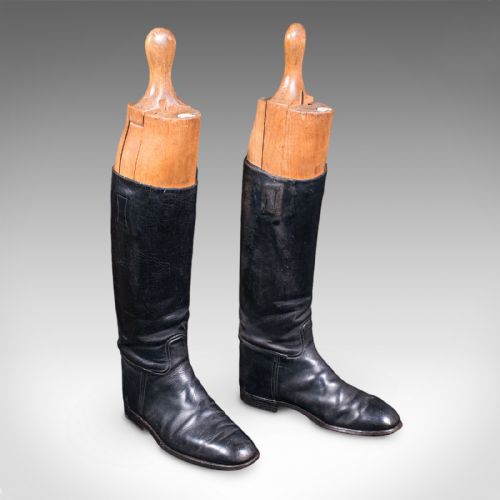
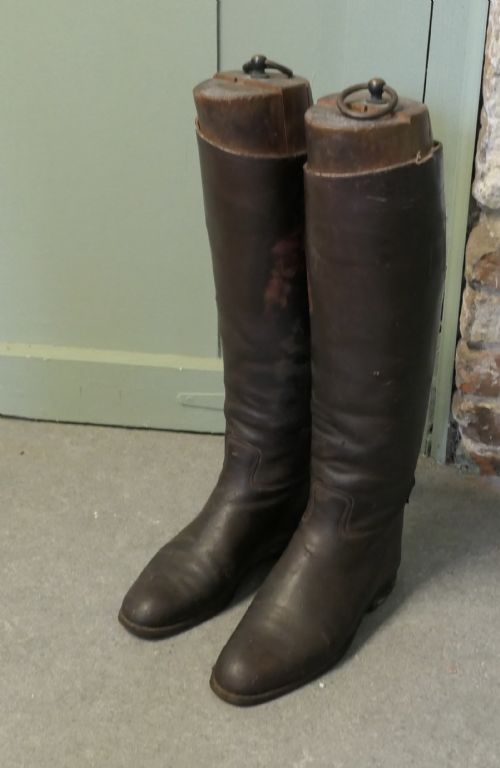
When you search for antique riding boots, you encounter a specialised range of footwear and related gear spanning the Georgian, Victorian, and Edwardian eras. These pieces include full leather riding boots paired with wooden trees, alongside hall stands and boot jacks designed for country houses.
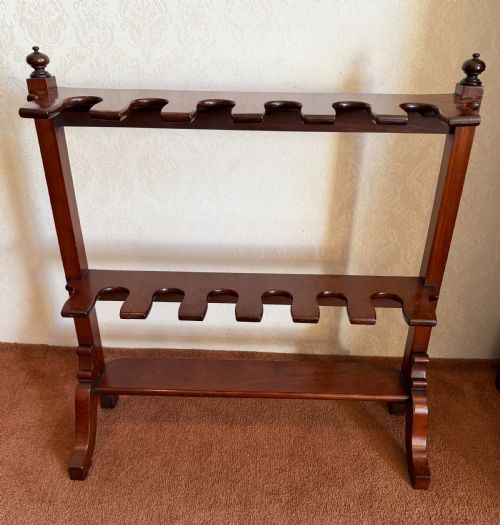
The footwear itself ranges from gentleman's and lady's boots to military campaign examples made by makers such as Maxwell London, Carter Bristol, and Tom Hill. Alongside the boots, the selection embraces boot pullers, hand-carved stands, and whip racks.
How they were made
Makers utilised durable natural materials like leather, oak, mahogany, beech, and brass to construct these functional items. Woodwork involved hand carving and polishing, while leather was shaped over wooden trees and stretchers to maintain form.
Metal components such as brass mounts, iron hooks, and silver handles were integrated into jacks and pullers for daily use in boot rooms. The construction reflects the robust standards required for equestrian pursuits across the nineteenth and early twentieth centuries.
The category includes boot racks, jacks, equestrian collectibles, and hall stands alongside full riding boots.
What varies in quality
Quality rests in the integrity of the materials, from closely grained mahogany and oak to supple, well-preserved leather. The presence of named maker stamps or specific provenance elevates an item beyond standard utility.
Finishing touches differentiate the output, such as hand-carved details on boot stands, silver handles on pulls, and the inclusion of matching wooden trees. Finer examples display superior joinery and hardware that endure through generations.
Maxwell London·Carter Bristol·Tom Hill
The Antique Riding Boots Glossary
- Boot tree
- A wooden device inserted into a boot to retain its shape and absorb moisture when not worn. These are often carved from beech or other dense woods.
- Boot jack
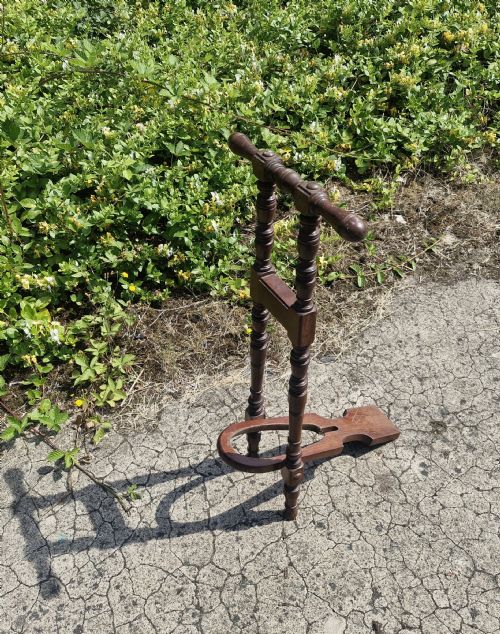
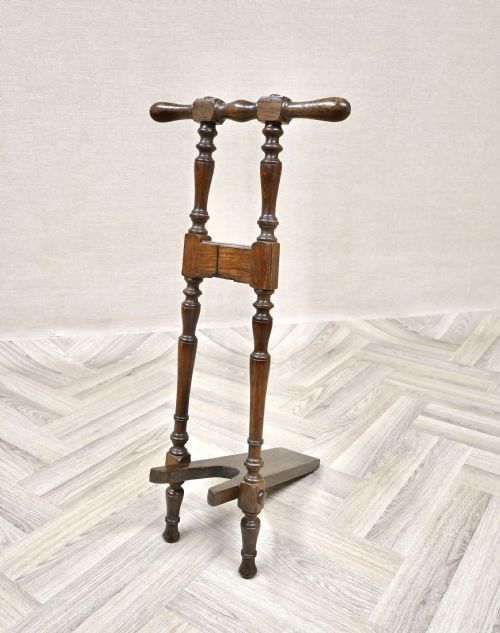
- A V-shaped device placed on the floor to grip the heel of a boot, allowing the wearer to pull their foot out without hands. They appear in oak, mahogany, and cast iron.
- Boot pull
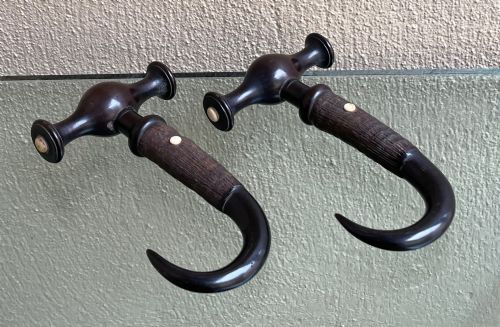
- A tool with a hook or handle used to pull riding boots onto the feet with greater leverage. Some feature decorative silver or horn handles.
- Campaign equipment
- Portable gear designed for military officers on the move, often featuring folding mechanisms and robust brass mounts. These items were built to withstand active service conditions.
- Whip and boot stand
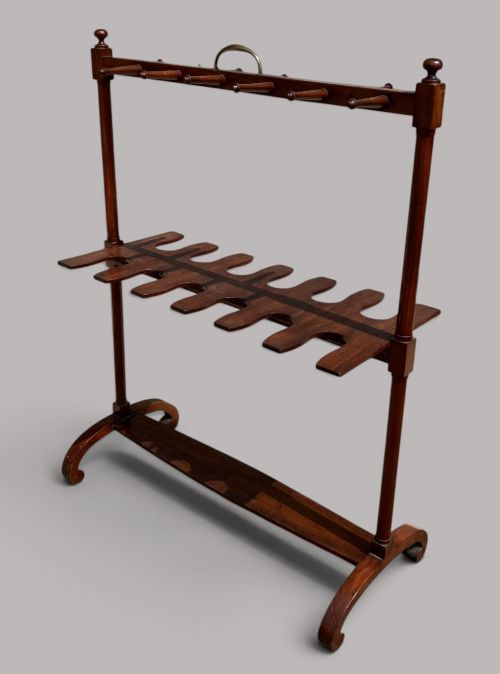
- A piece of hall furniture combining racks for riding crops and trees or holders for footwear. They organise equestrian gear in country house boot rooms.
Antique Riding Boots: Frequently Asked Questions
How do I care for antique leather boots?
Keep leather conditioned with appropriate professional balms and store them upright using fitted wooden trees to prevent cracking.
Position them away from direct heat sources and strong sunlight to preserve the original hide over the years.
Were boot jacks used daily?
Boot jacks were standard fixtures in nineteenth-century country house boot rooms for removing mud-caked riding boots.
Servants or gentlemen used them constantly after hunting expeditions or cross-country hacks.
What are boot trees for?
Boot trees fill the interior cavity of the leather boot to maintain the original stretch and upright posture.
Without them, vintage leather tends to slump and crease permanently as it dries out.
How do I date an oak boot jack?
Examine the fixings, timber grain, and tool marks to determine whether the piece belongs to the Georgian, Regency, or Victorian period.
Hand-cut screws and dense, patinated oak typically point to earlier eighteenth or nineteenth-century craftsmanship.