



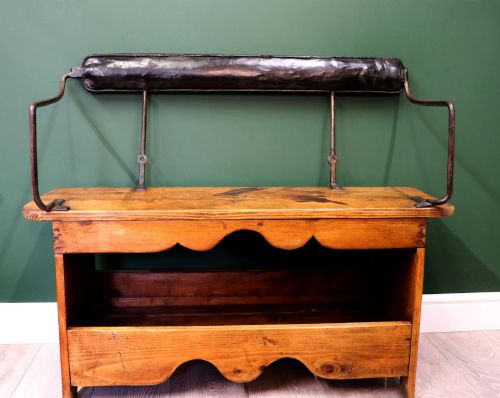
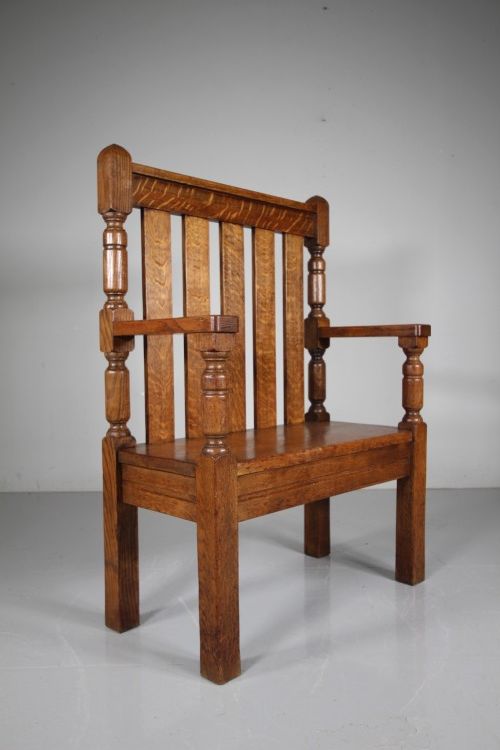
Vintage Entryway Bench
A vintage entryway bench turns a hall into a room, offering a place to sit while sorting post or pulling off boots.
Vintage Entryway Bench
When you search for a vintage entryway bench, you encounter sturdy timber seating designed to greet guests the moment they cross the threshold. The selection spans the nineteenth century, the Edwardian era, and the early decades of the twentieth century, reflecting a tradition of practical domestic joinery.
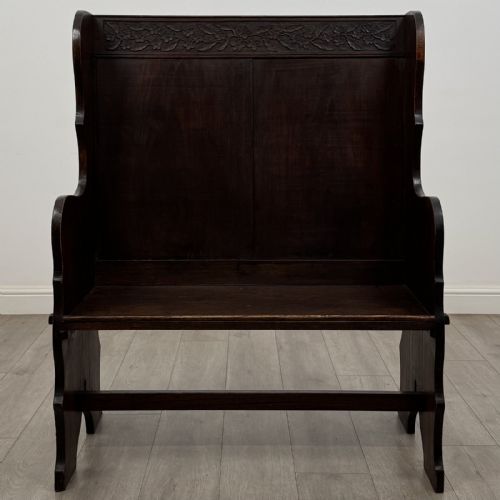
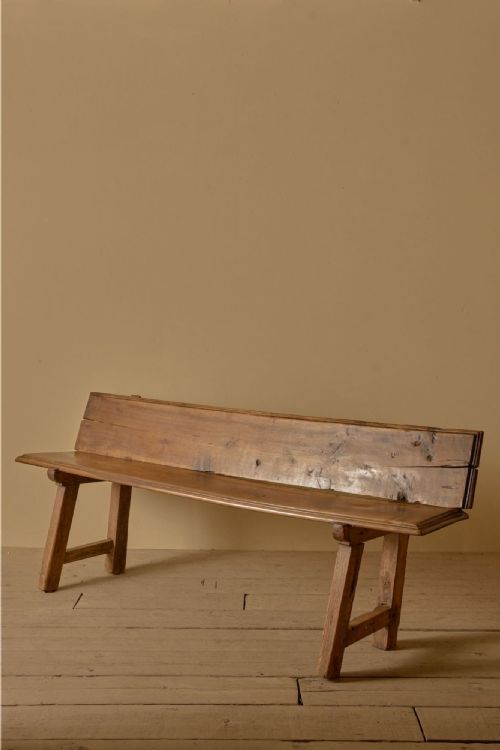
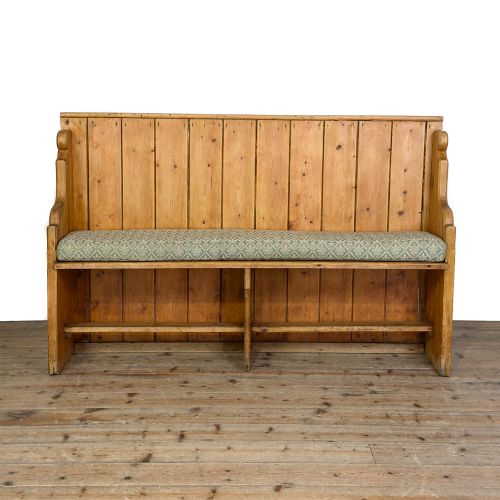
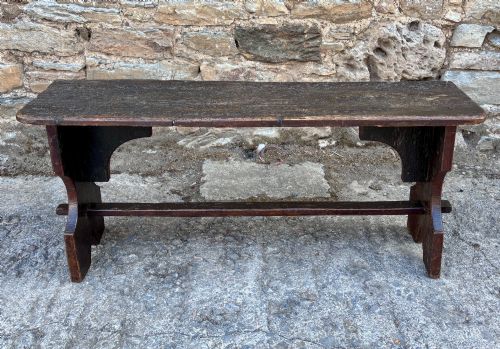
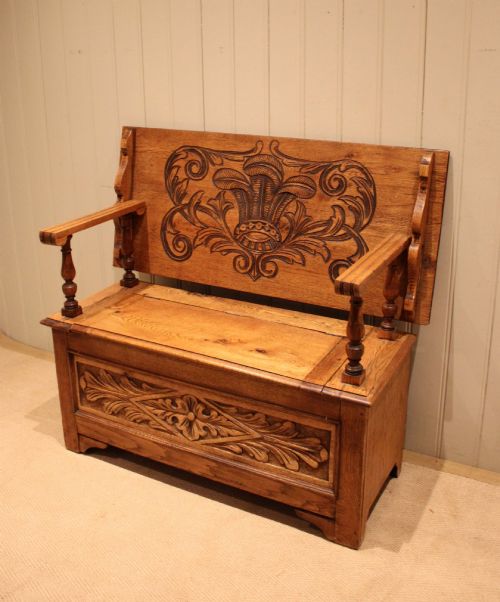
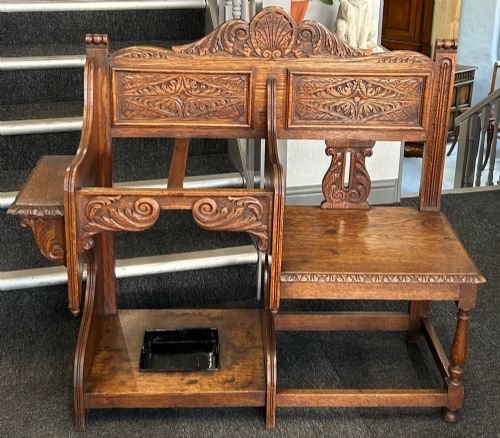
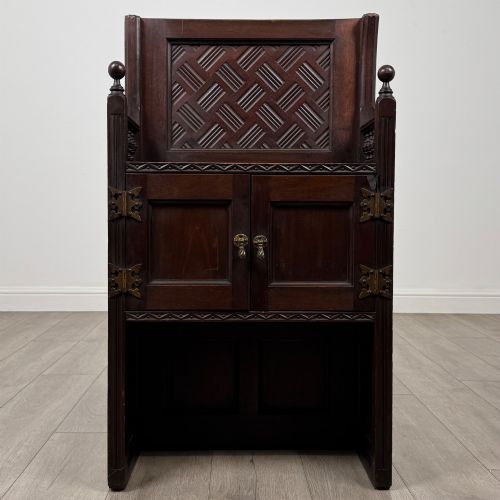
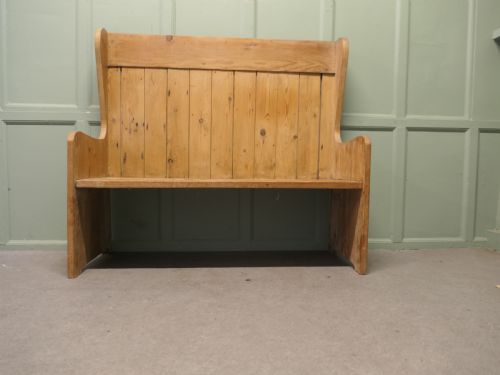
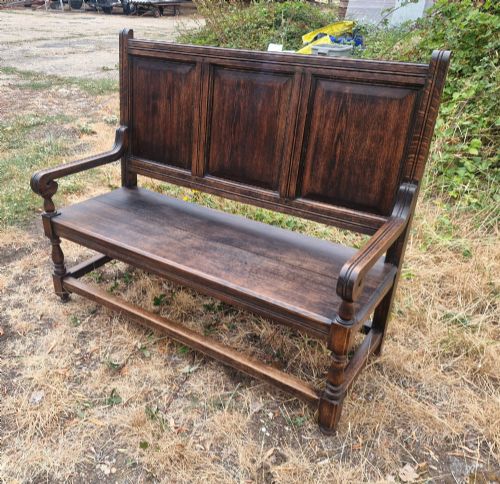
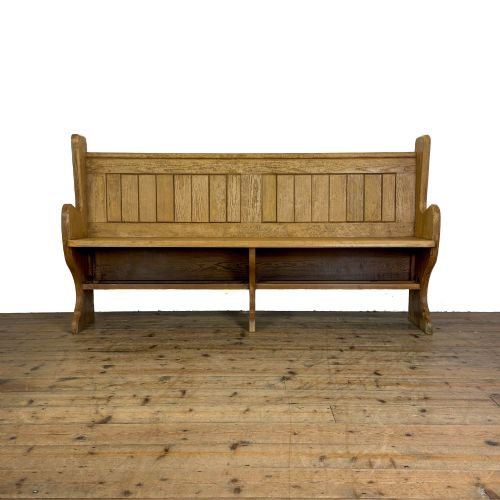
You meet a variety of forms on this page, including pews, settles, hall stands, and box benches. Oak and pine dominate the selection, often combining seating with storage for coats, hats, sticks, and shoes.
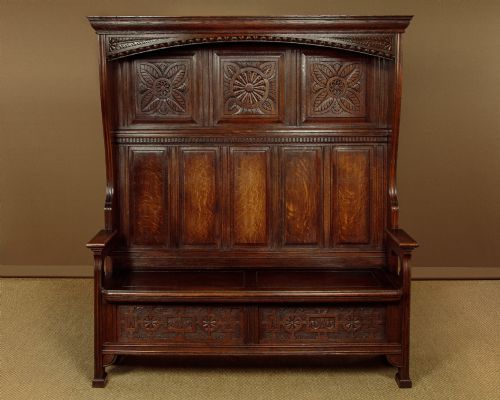
Makers from country workshops to urban cabinet makers produced these pieces for halls, churches, and public houses. Pieces range from simple rustic pine benches to elaborately carved oak settles with canopy tops and umbrella racks.
What varies in quality
Quality rests in the selection of timber and the ambition of the design, distinguishing standard workshop pieces from bespoke creations. Heavy solid oak construction and deep relief carving signal greater investment by the original maker.
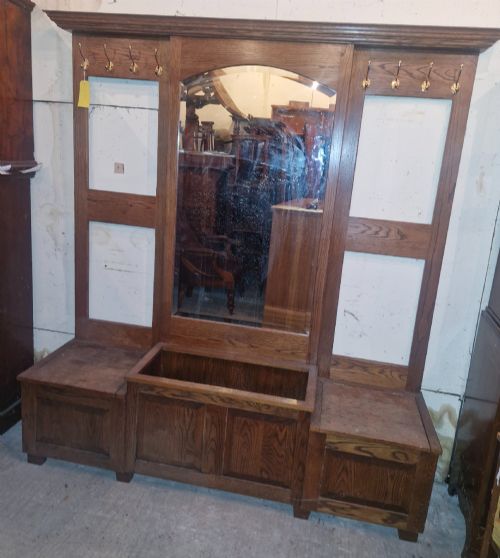
The integration of multiple functions alters the character of a piece, separating simple plank pews from complex hall stands with integrated cupboards, umbrella wells, and mirrors.
Vintage Entryway Bench Retail Price Guide 2026
Typical asking prices for vintage entryway bench among the pieces listed under this phrase on Sellingantiques today, from the lower quarter to the upper quarter. They describe what is for sale here now, not the wider market.
Listings feature pieces spanning the nineteenth century through to the Edwardian period, constructed primarily from oak and pine.
Liberty
The Vintage Entryway Bench Glossary
- Settle
- A wooden bench with a high back designed to block draughts, often featuring a hinged seat hiding a storage box beneath. Settles served as principal seats by the hearth or in the entrance hall.
- Pew
- A long wooden bench originally designed for seating congregations in churches or chapels. Domestic adaptations retained the austere panelled back and solid proportions.
- Hall stand
- A piece of entryway furniture combining a seat with vertical panels supporting coat hooks, hat pegs, and mirror glass. Some versions include drip pans for umbrellas.
- Box settle
- A form of seating where the base functions as a chest with a lift-up lid. This configuration provided concealed storage for blankets, boots, or household textiles.
Vintage Entryway Bench: Frequently Asked Questions
How do I choose the right size bench for a small hall?
Measure the available floor space carefully, accounting for the swing of any cupboard doors or the projection of hat pegs. Slimter pews or settles without bulky coat stands fit narrow passages best.
Consider whether you need integrated storage for shoes or umbrellas, as dual-purpose furniture saves floor space by combining multiple hallway requirements into one footprint.
What is the difference between a pew and a settle?
A pew is typically an open bench with a fixed back, originally built for churches or institutional seating. Their lines remain straightforward and utilitarian.
Settles usually feature solid high backs designed to keep out cold draughts, and many include a box base with a lift-up seat for storage.
How should I care for antique pine and oak hall furniture?
Maintain waxed or polished timber surfaces by dusting regularly with a soft cloth and applying a traditional beeswax periodically. Avoid placing wooden furniture directly against heat sources to prevent the timber from splitting.
Protect surfaces from damp footwear or wet umbrellas by using trays or liners inside storage compartments and umbrella wells.
Can these benches be used for daily seating?
These pieces were built from solid timbers like oak and pine to withstand heavy daily use in busy entranceways. Their robust construction makes them well-suited for putting on shoes or dropping bags.
Adding a loose cushion can make a wooden seat more comfortable for extended sitting without altering the antique timber structure.