



Vintage Entry Chairs
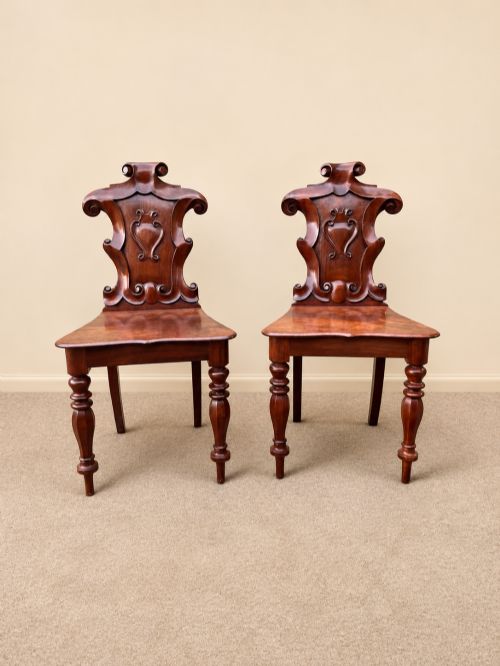
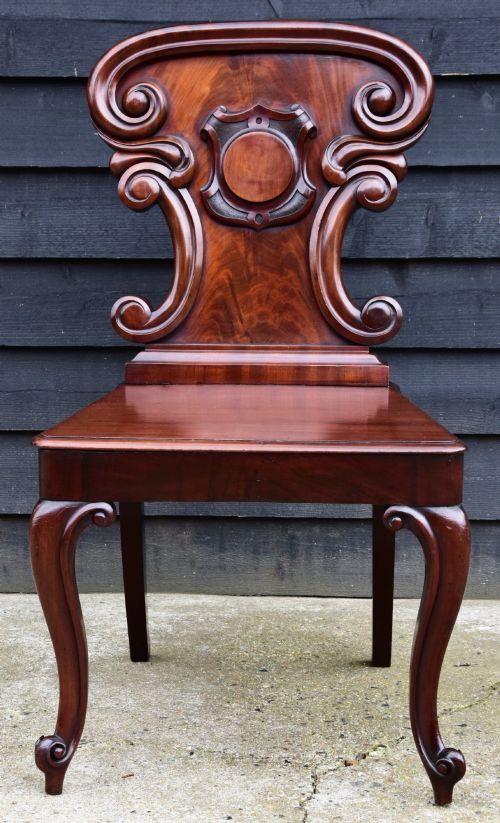
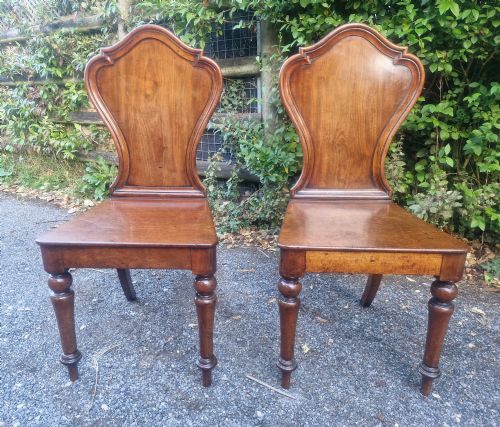
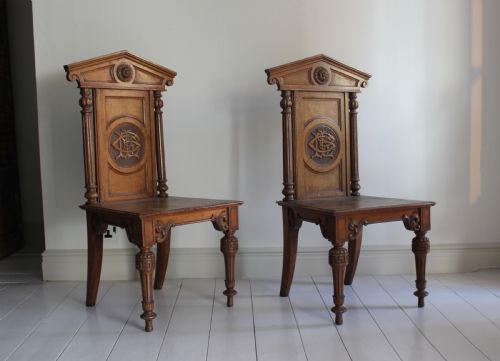
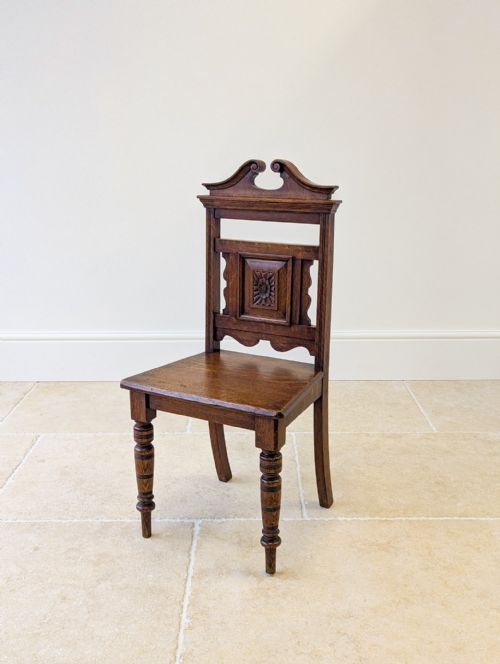
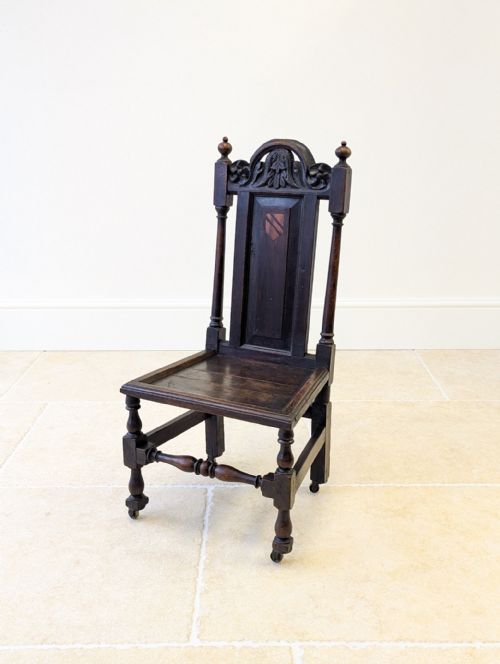
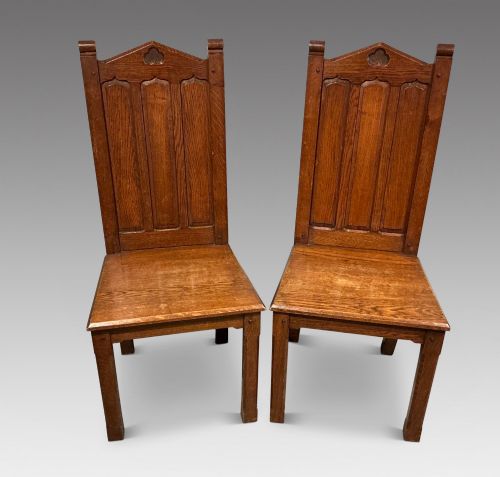
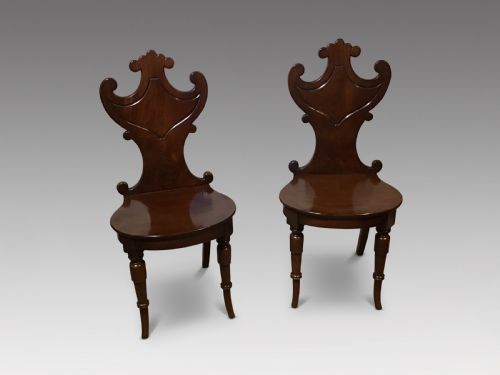
These vintage entry chairs bring character and a distinct seating presence to a hallway, selected for their solid craftsmanship and period detail.
Vintage Entry Chairs
Vintage entry chairs encompass robust hallway seating designed for practical use near the entrance of a home. The pieces found here span multiple periods, ranging from the eighteenth century up through the nineteen-thirties, reflecting diverse historical revivals and design shifts.
The materials utilised in these vintage entry chairs display considerable variety, featuring traditional hardwoods alongside occasional brass elements and fabric or leather upholstery. Styles range from restrained classicism to elaborate Gothic and Jacobean revivals.
How they were made
Makers relied primarily on dense hardwoods such as oak, mahogany, walnut, and fruitwood to construct these functional hallway pieces. Timber selection dictated both the structural integrity and the visual depth of the carved details.
Joinery techniques combined traditional framing with decorative surface work, including relief carving on wooden backs and panels. Selected pieces integrate brass hardware or incorporate leather and fabric inserts into the seats.
The construction prioritized durability to withstand frequent use in entrance spaces, ensuring the structural joints remained firm over generations of domestic life.
Vintage Entry Chairs Retail Price Guide 2026
Typical asking prices for vintage entry chairs among the pieces listed under this phrase on Sellingantiques today, from the lower quarter to the upper quarter. They describe what is for sale here now, not the wider market.
One versatile bench cleverly moonlights as a coffee table.
What varies in quality
Depth of carving and the crispness of executed detail separate standard examples from finer commissions. Artisans working on higher-tier pieces invested greater time into proportion, moulding profiles, and decorative relief.
The grade of timber and the complexity of the timber's figure influence the overall aesthetic standing of a chair. Richer grain patterns in walnut, mahogany, and oak elevate the visual weight of the seating.
The integrity of the original construction and the preservation of surface patination determine the distinction between ordinary utility items and exceptional surviving examples.
The Vintage Entry Chairs Glossary
- Hall chair
- A rigid wooden seat traditionally placed in an entrance hall, often featuring a solid carved back and no arms. These pieces frequently display heraldic motifs or family crests.
- Sgabello
- An early Italian Renaissance style of chair characterised by a narrow wooden seat, a high carved back, and trestle supports. The George Second fruitwood sgabello reflects this historic form.
- Monks bench
- A versatile convertible item of furniture that transforms from a bench with a high back into a table. The pivoting back mechanism serves a dual purpose in compact spaces.
- Jacobean Revival
- A nineteenth-century architectural and furniture style emulating the heavy, geometric carved ornament of the early seventeenth century. Pieces from this movement utilise dark oak and bold turned components.
- Settle
- A wooden bench featuring a high solid back designed to block draughts, often incorporating enclosed storage beneath the seat. Settles functioned as communal seating near hearths and entryways.
Vintage Entry Chairs: Frequently Asked Questions
What is a hall chair?
A hall chair is a rigid wooden seat designed primarily for visual impact and brief use in an entranceway. These chairs typically lack armrests and feature high wooden backs adorned with carvings or painted crests.
Historically positioned against hallway walls, they served visitors waiting in the vestibule rather than providing prolonged lounging comfort.
How do I use a monks bench?
A monks bench serves a dual purpose by converting from a seated bench with a backrest into a flat-topped table. You simply pivot the upper back section forward until it rests flat upon the arm supports.
This clever transformation makes them practical for smaller rooms or hallways where surface space is limited.
How do I date a wooden hall chair?
Dating a hall chair involves examining the timber species, construction joints, and decorative style relative to known historical periods. Eighteenth-century pieces often utilise fruitwood or mahogany with distinct regional turning, while Victorian examples frequently display revival motifs.
Tool marks and the type of fixings used provide further physical clues to the era of manufacture.
Are entry chairs comfortable?
Vintage entry chairs prioritize structural presence and upright posture over deep cushioning. Most examples feature solid timber seats, though some incorporate leather or fabric pads for added comfort.
They function best as striking accent pieces or functional perches rather than lounging chairs.