



Vintage English Porcelain Pitcher
These vintage english porcelain pitcher examples bring genuine Georgian and later ceramic artistry to the table.
Vintage English Porcelain Pitcher
When you search for vintage english porcelain pitcher, you encounter functional serving vessels spanning from the eighteenth century to the mid twentieth century. These items include cream jugs, larger pitchers, and paired jug and bowl sets.
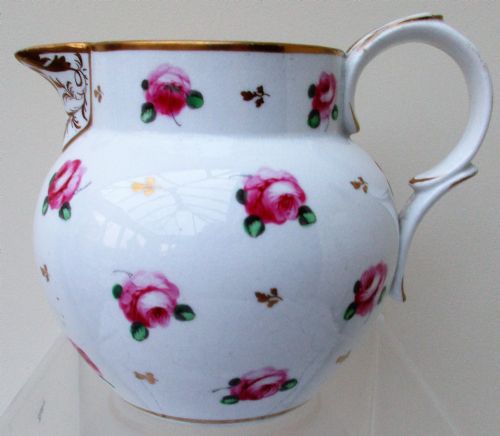
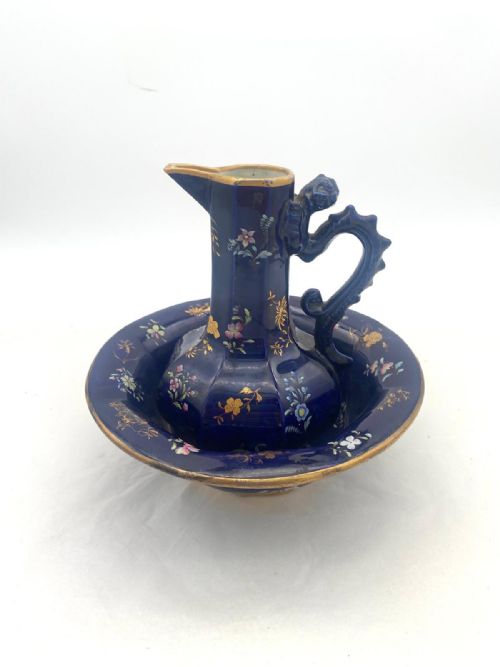
The selections on this page lean heavily toward eighteenth century Georgian creations alongside twentieth century Royal Worcester wares. Forms range from miniature hydra jugs and mask head designs to painted fruit ewers and armorial crested pieces.
Materials and construction
Potters shaped these objects from porcelain, ironstone, and glazed ceramic using traditional forming techniques. Decoration relied heavily on hand painting, blue and white transfer printing, and polychrome enamel work.
Finishing touches incorporated rich gilding, gold leaf highlights, and specialised glaze applications. Manufacturers such as Mason's, Chamberlain Worcester, and Royal Worcester utilised these combined materials to achieve durable yet refined bodies.
Vintage English Porcelain Pitcher Retail Price Guide 2026
Typical asking prices for vintage english porcelain pitcher among the pieces listed under this phrase on Sellingantiques today, from the lower quarter to the upper quarter. They describe what is for sale here now, not the wider market.
Several makers placed fierce mythical beasts right onto the spouts, ensuring your morning cream is poured under the watchful eye of a tiny ceramic dragon.
Markers of quality
Distinction in these pitchers rests upon the finesse of the painting and the complexity of the form. Hand painted fruit scenes by named artists or intricate armorial crests elevate a piece far above standard transfer printed wares.
The crispness of moulded details, such as hydra handles or mask spouts, reveals the skill involved in the original manufacturing process. Furthermore, the application of gold leaf and the clarity of the underlying glaze separate ordinary domestic items from superior cabinet specimens.
Masons Ironstone·Chamberlain Worcester·Royal Worcester·New Hall·Caughley Coalport·Crown Derby
The Vintage English Porcelain Pitcher Glossary
- Armorial
- Bearing a coat of arms or family crest. These bespoke motifs indicate high status commissioning.
- Ewer
- A large pitcher with a flared spout and curved handle. Such vessels often served decorative or washing purposes.
- Hydra
- A classical serpentine handle shape resembling a mythical water serpent. This stylistic choice frequently appears on early nineteenth century pottery.
- Ironstone
- A heavy, durable patented ceramic body developed in the nineteenth century. It bridges the gap between earthenware and true porcelain.
- Mask head
- A spout moulded in the likeness of a human or grotesque face. This decorative feature is characteristic of eighteenth century English porcelain.
Vintage English Porcelain Pitcher: Frequently Asked Questions
What is a pitcher used for?
These vessels were traditionally used for serving liquids like cream, water, or milk at the dining table. Smaller examples typically functioned as cream jugs during tea service.
Larger versions formed part of matching jug and basin sets used for bedroom washing before indoor plumbing became common.
How do I care for antique porcelain?
Wash these pieces gently by hand using mild soap and warm water. Avoid placing them in dishwashers or using abrasive scrubbers.
Take care with gilt surfaces, as harsh scrubbing can wear away the gold leaf over time.
How can I date a piece?
Dating relies on stylistic clues, paste composition, and painted or impressed maker marks on the base. Eighteenth century items often display softer glazes and hand painted motifs.
Twentieth century pieces frequently feature specific factory ciphers or artist signatures that pinpoint their exact year of manufacture.
Are these pitchers waterproof?
Most of these glazed ceramic and porcelain vessels remain fully waterproof and functional for serving. However, very old or delicate pieces with hairline cracks should be reserved for display.
Using them for dry arrangements avoids any risk of moisture damage to fragile antique bodies.