
Vintage English Artwork
These vintage english artwork pieces capture centuries of landscapes and portraits in oil, watercolour and charcoal.
Vintage English Artwork
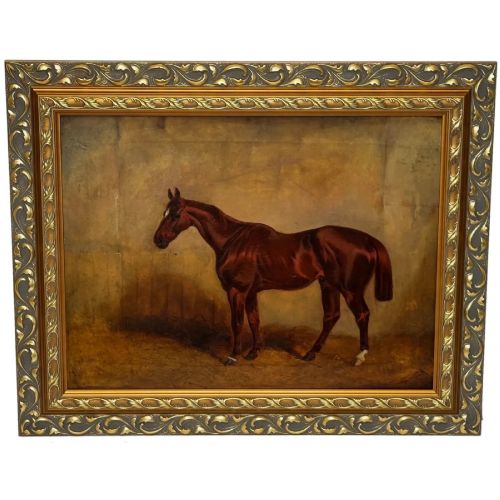
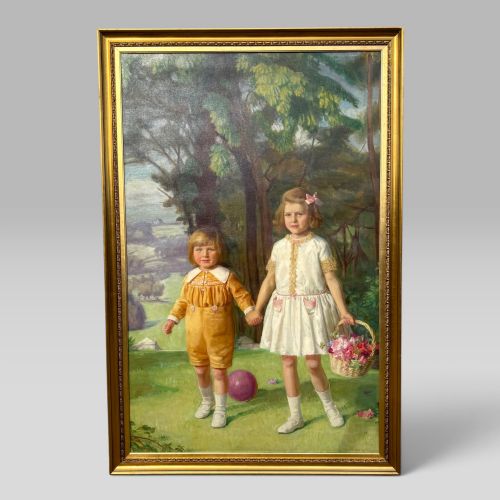
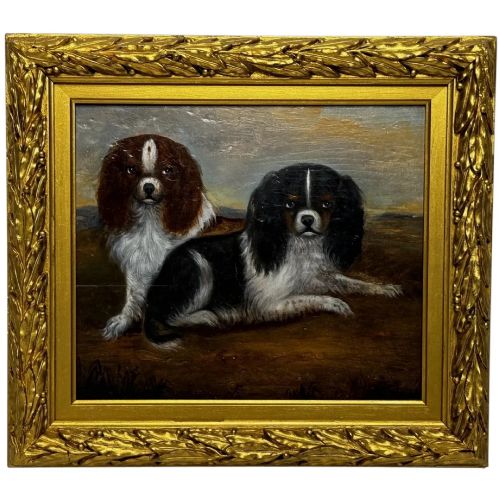
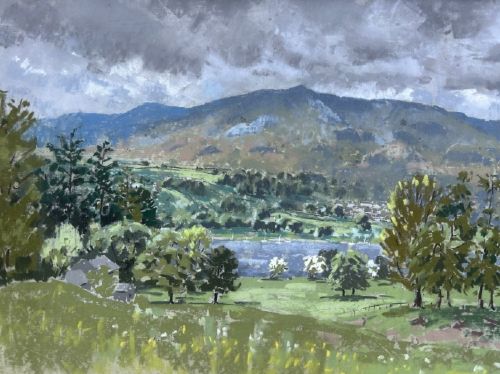
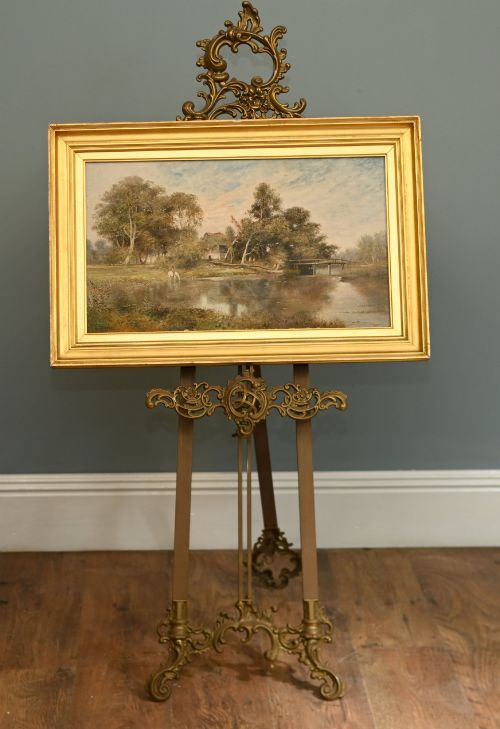
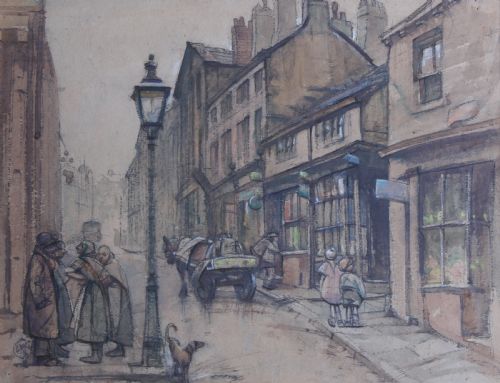
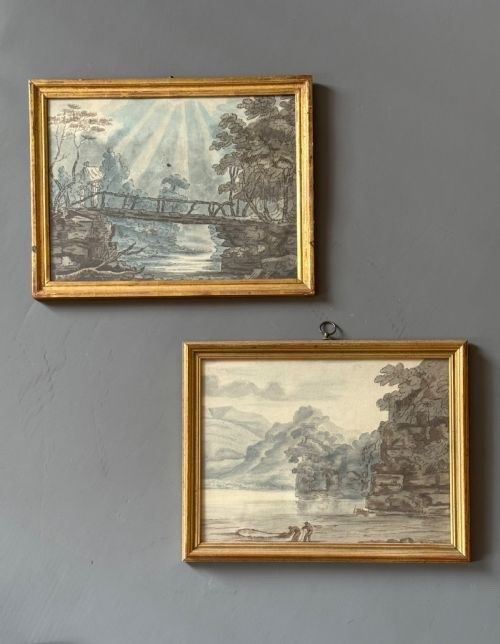
When you search for vintage english artwork, you encounter paintings, drawings and prints spanning the nineteenth and twentieth centuries. These pieces record landscapes, coastal scenes, portraits and genre subjects created by painters working within various British schools.
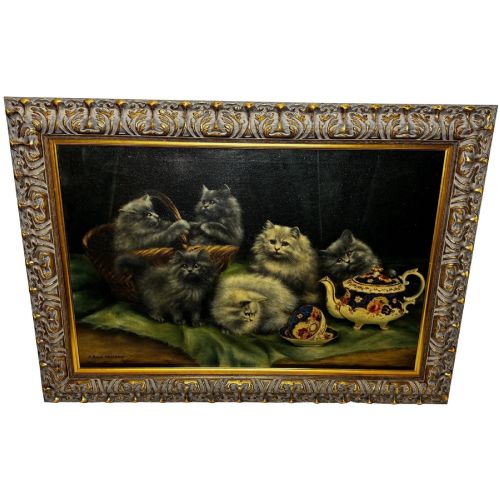
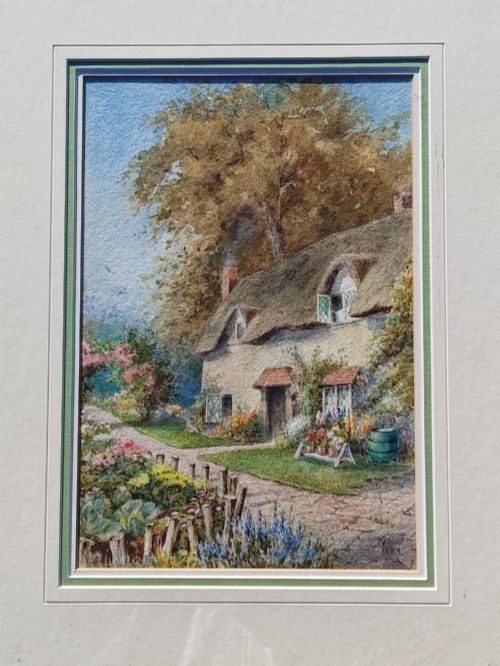
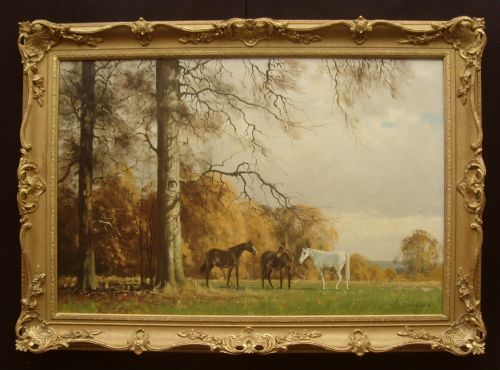
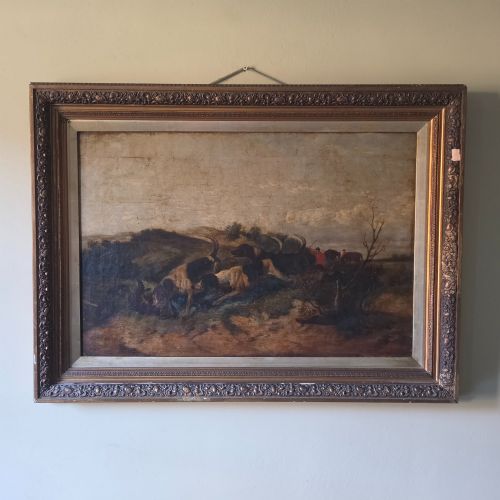
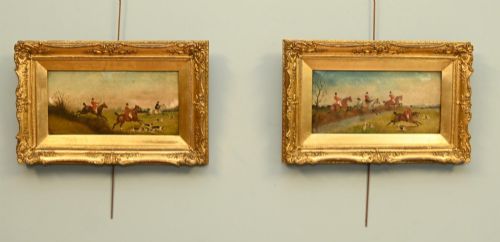
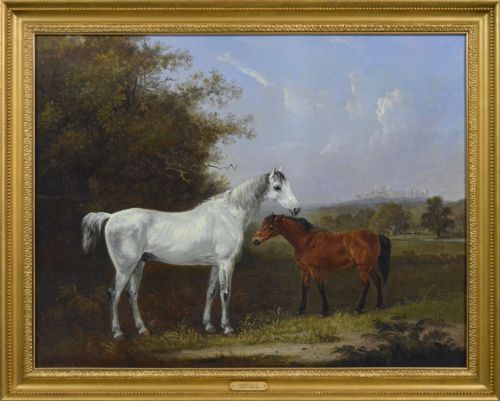
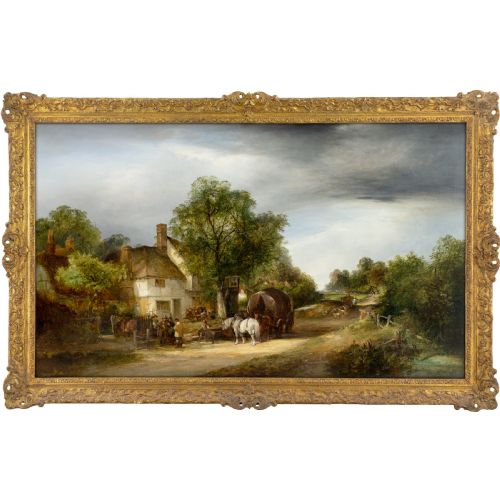
You meet watercolours on paper and oil paintings on canvas, panel or card. The works range from intimate rural sketches to large framed oil paintings depicting animals, architecture and figures.
Materials and Technique
Artists painted in oil on canvas, wooden boards and cards, applying pigment to build depth and texture. Watercolours on paper utilise fluid washes of pigment, often finished with ink or pencil lines to define details.
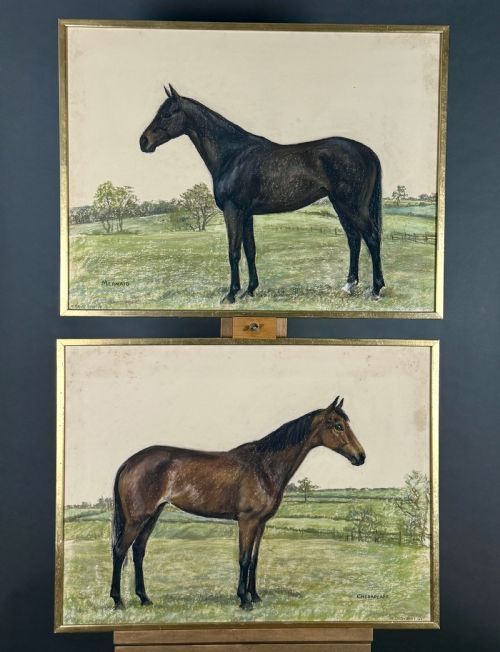
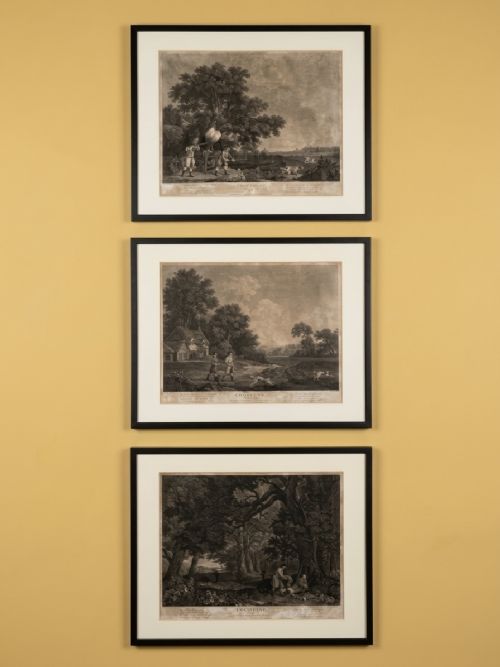
Works on paper include charcoal drawings, lithographs, etchings and pastel studies. Frames typically consist of gilt wood, supporting the preservation of canvas and paper works.
Materials in these listings include oil paint, watercolour, charcoal, pastel, paper, canvas, wood and glass.
Evaluating Quality
Quality rests in the precision of brushwork, the handling of light, and the accuracy of composition. Stronger works demonstrate a confident command of medium and subject, whether capturing a river valley or an animal portrait.
The distinction between standard decorative pieces and superior works lies in the artist's ability to render atmosphere and form. Signed compositions by established painters or notable members of regional schools generally command greater attention.
Herbert Dicksee·Alfred Young Nutt·Frederick Marriott·James Watson·Sir Joshua Reynolds·A. Marie Parsons·Horace Hone·Robert Leslie Howey·William Etty·Kershaw Schofield·Herbert Royle·William Banks Fortescue·Henry Silkstone Hopwood·Muriel Metcalfe·Fred Lawson·Albert Clark·ROBERT THORNE WAITE·John Smith Atherton·George Augustus Holmes·Frederick Walker·Eric Brown·Brian Shields Braaq·Henry Yeen King·Percy Lancaster
The Vintage English Artwork Glossary
- Watercolour
- A painting method where the paints are made of pigments suspended in a water-based solution. These works are typically executed on paper.
- Mezzotint
- A printmaking process of the intaglio family, done on copper. It was the first printmaking method that allowed half-tones to be produced without using line- or dot-based techniques.
- Etching
- The process of using strong acid or mordant to cut into the unprotected parts of a metal surface to create a design in intaglio. Artists use this technique to produce detailed prints on paper.
- Genre painting
- The pictorial representation in various media of scenes or events from everyday life. These often depict domestic interiors, markets, or agricultural labour.
- Lithography
- A planographic printing process in which a print is made from a smooth surface. It allows artists to produce multiple original impressions on paper.
Vintage English Artwork: Frequently Asked Questions
What periods do these artworks cover?
The selection spans the nineteenth and twentieth centuries, including Victorian, Edwardian and Regency periods. You also find works from the 1900s through to the mid-twentieth century.
These dates reflect traditional British artistic production, ranging from early oil paintings on wooden boards to later twentieth-century watercolours.
What mediums are used in these pieces?
Artists utilised oil paint on canvas, board and card, alongside watercolours and charcoal on paper. Printmaking techniques such as etching and lithography also appear.
Frames of gilt wood frequently accompany these paintings and drawings, protecting the canvas or paper support.
How do I care for antique watercolours?
Works on paper require protection from direct sunlight to prevent fading of the pigments. Keeping them in stable humidity conditions preserves both the paper and the framing.
Displaying them away from direct heat sources ensures the paper does not become brittle over time.
How are English school paintings identified?
English school paintings often feature traditional landscape, maritime or portrait subjects tied to specific regions like the Thames Valley or the Lake District. Signatures, inscriptions on the reverse, or stylistic traits link them to known artists.
Many bear the hallmarks of regional British artistic movements from the Victorian era and later decades.