
Vintage Enamel Timepiece
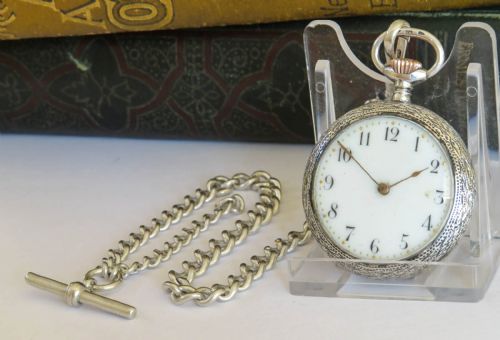
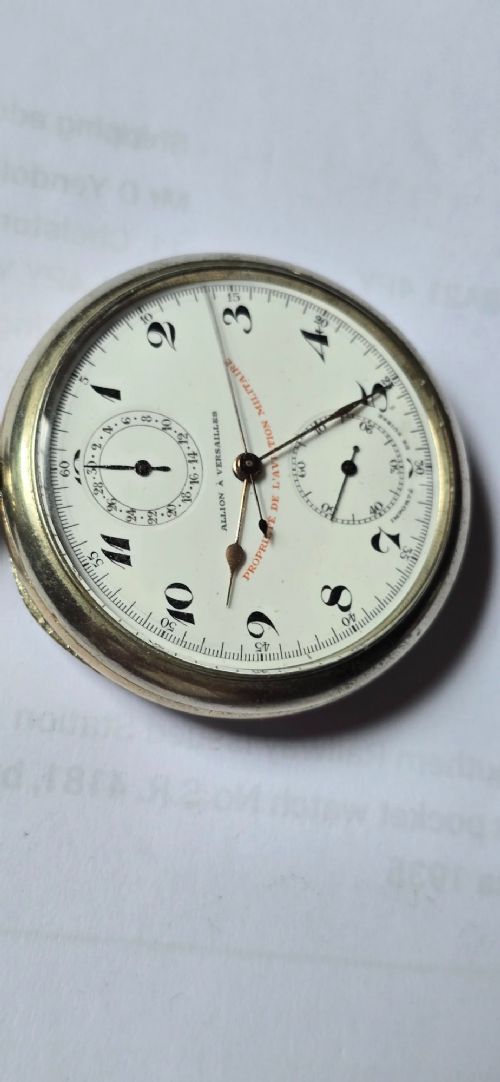
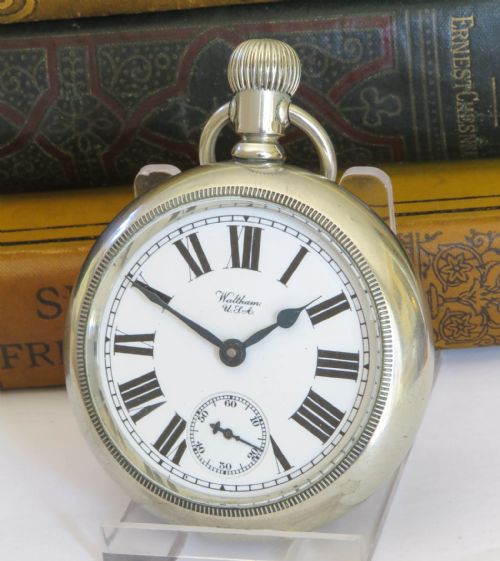
A vintage enamel timepiece brings together practical timekeeping and delicate glasswork, offering a decorative surface that elevates standard pocket watches and carriage clocks.
Vintage Enamel Timepiece
A vintage enamel timepiece encompasses portable and travel clocks from the late nineteenth century through the mid-twentieth century, including carriage clocks and pocket watches.
The selections on this page span Victorian, Edwardian, and Art Deco periods, drawing on French and English origins.
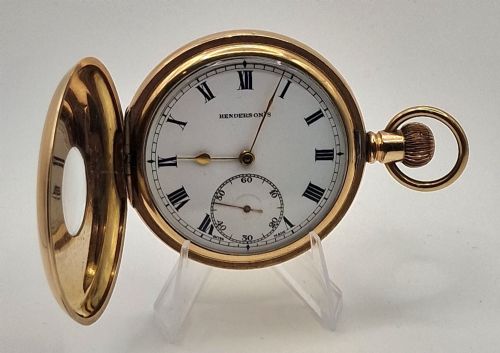
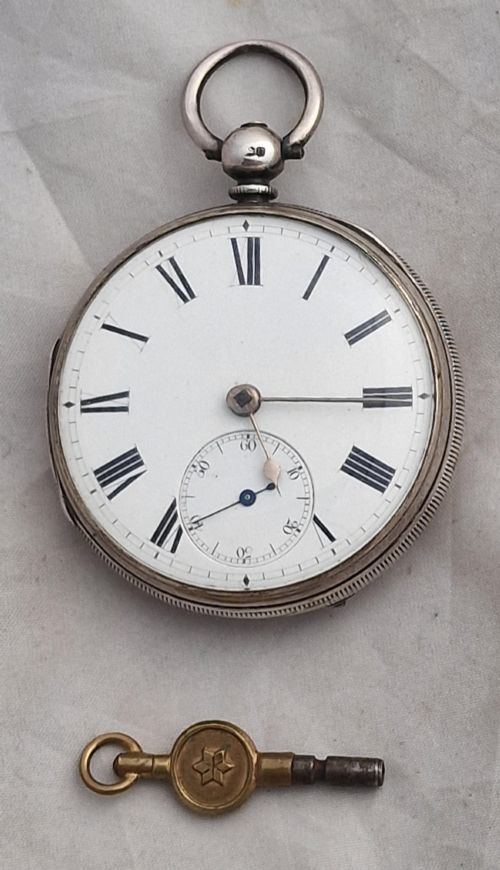
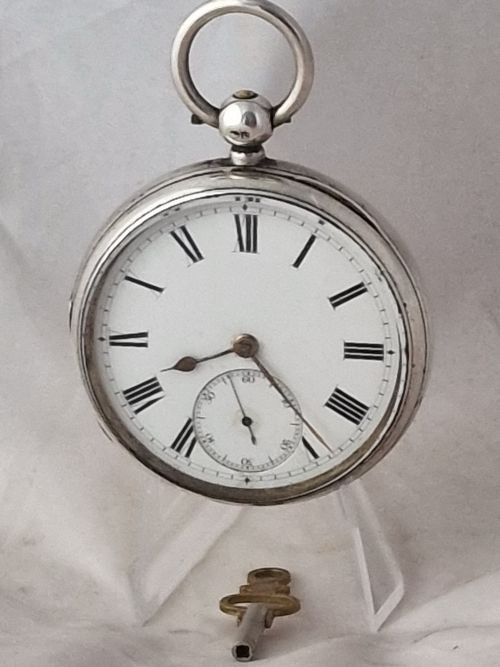
Forms range from miniature brass carriage clocks with porcelain panels to silver hunter pocket watches.
How they were made
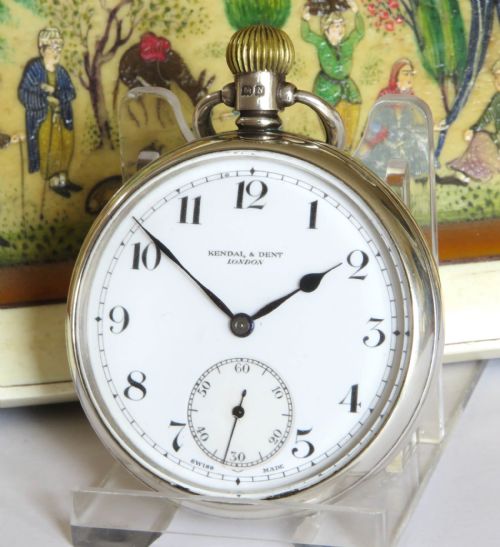
Maker workshops utilised brass, gilt brass, and silver for outer cases and pocket watch housings, pairing these metals with glass crystals to protect the dial.
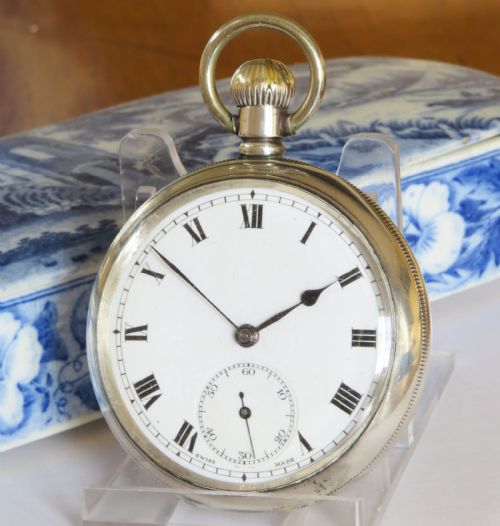
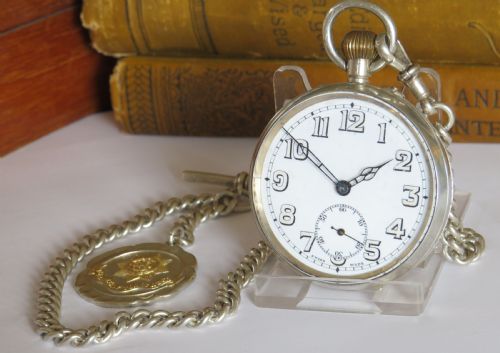
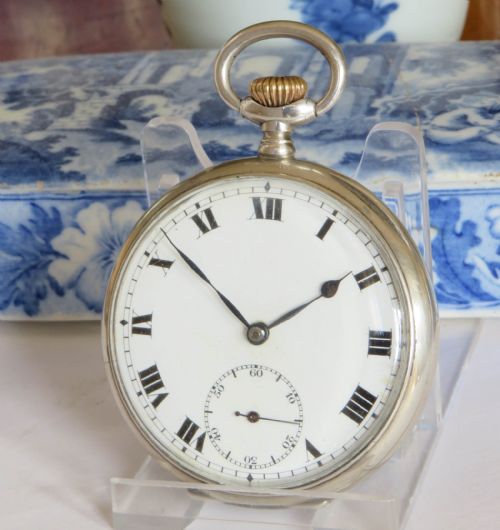
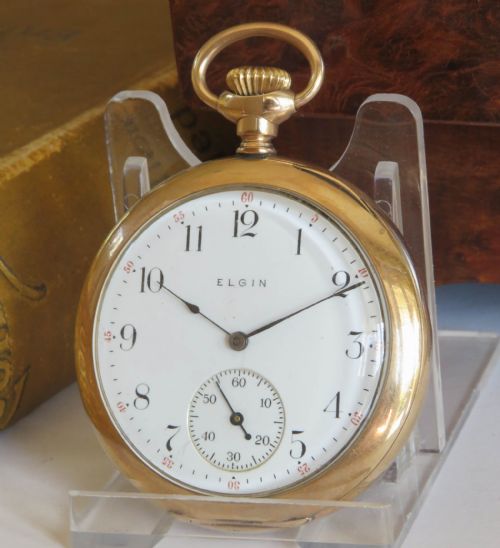
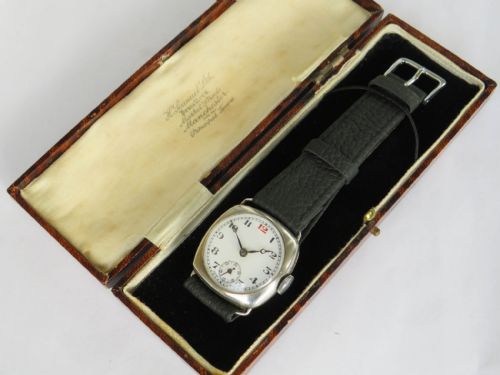
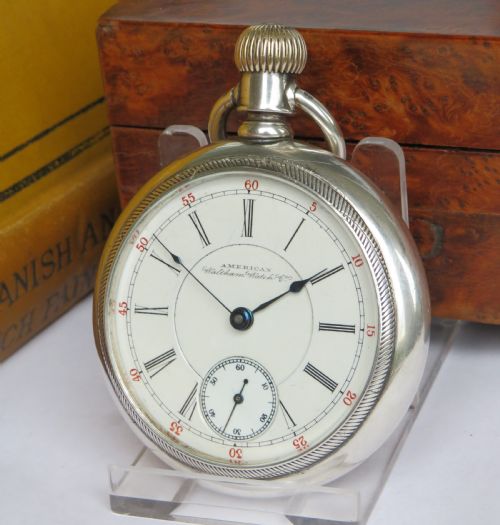
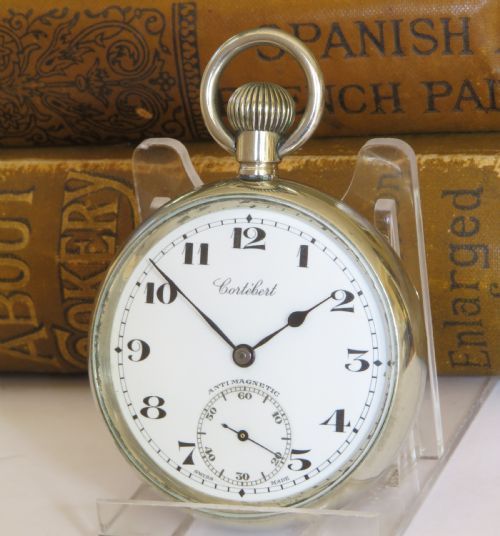
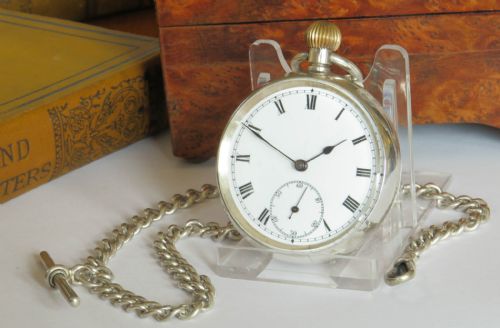
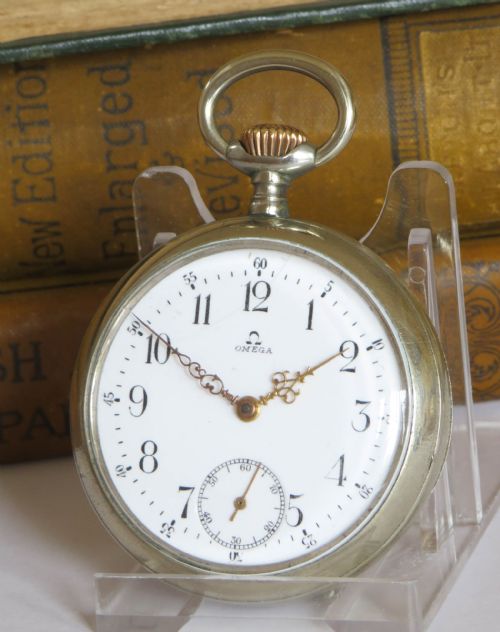
Vitreous enamel was applied to metal surfaces and fired at high temperatures to create smooth, durable dials and decorative panels.
Goliath watches were oversized pocket watches built so large they required specially fitted leather desk stands rather than waistcoat pockets.
What varies in quality
The refinement of the movement and the precision of the enamel work distinguish standard production items from finer workshop examples.
Housing materials such as solid silver or heavy ormolu bronze indicate higher manufacturing standards than plated alternatives.
Kendal and Dent·Camerer Cuss·Lange and Sohne·Henri Jacot·Mappin and Webb
The Vintage Enamel Timepiece Glossary
- Enamel
- A glassy substance fused to metal through high-temperature firing. It provides a smooth, glossy decorative surface for dials and panels.
- Carriage clock
- A portable spring-driven clock designed for travel. These typically feature a brass case with glass panels and a handle on top.
- Half hunter
- A pocket watch featuring a case cover with a glass or open centre window. This allows the user to view the hands without opening the case.
- Fusee
- A conical pulley used in older mechanical watches and clocks. It maintains even tension on the mainspring as the power winds down.
Vintage Enamel Timepiece: Frequently Asked Questions
How do I wind a vintage pocket watch?
Most pocket watches require a gentle turn of the crown until resistance is felt. Care must be taken not to overwind the mainspring.
Key-wound models require a small separate key applied to a square arbor on the back plate.
What is a carriage clock travel case?
Travel cases were heavy leather outer boxes lined with velvet or silk designed to protect portable clocks during journeys. They secured the brass frame against knocks.
Many surviving clocks retain their fitted leather cases complete with original brass clasps.
How do I identify a Victorian carriage clock?
Victorian carriage clocks typically feature heavy cast brass frames with bevelled glass viewing panels. The escapement is often visible through the top glass.
Dial faces are frequently white enamel with Roman numerals, sometimes accompanied by painted floral details.
Are these timepieces suitable for daily use?
Mechanical pieces from the nineteenth and early twentieth centuries require careful handling and regular servicing by a professional horologist. They lack modern shock resistance.
Gentle winding and careful storage will keep the internal mechanical movements functioning correctly.