




Vintage Enamel Glass Bottle
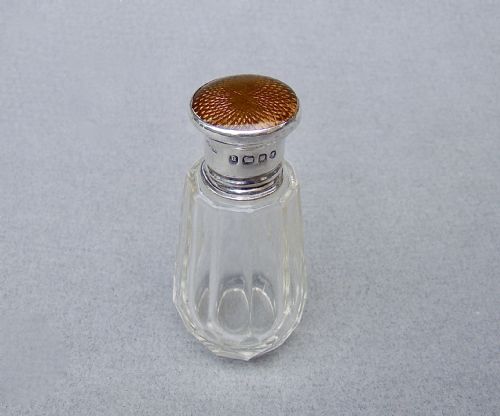
When you search for a vintage enamel glass bottle, you are looking at small scent vessels and dressing table flasks that bring colour and weight to a room.
Vintage Enamel Glass Bottle
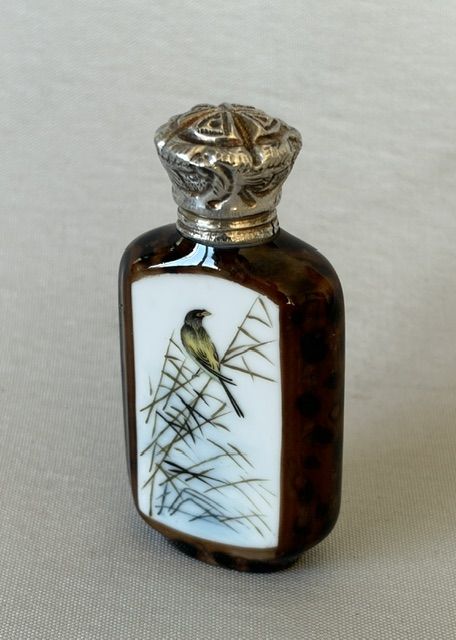
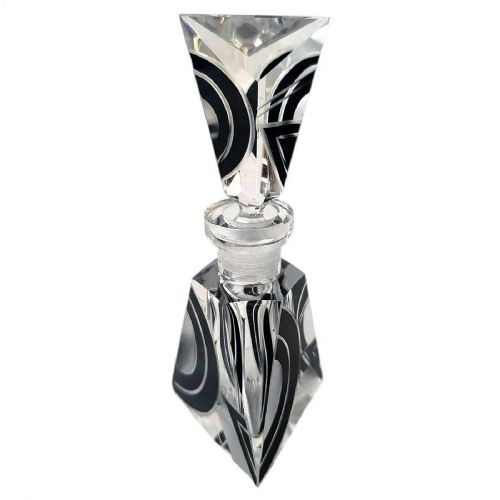
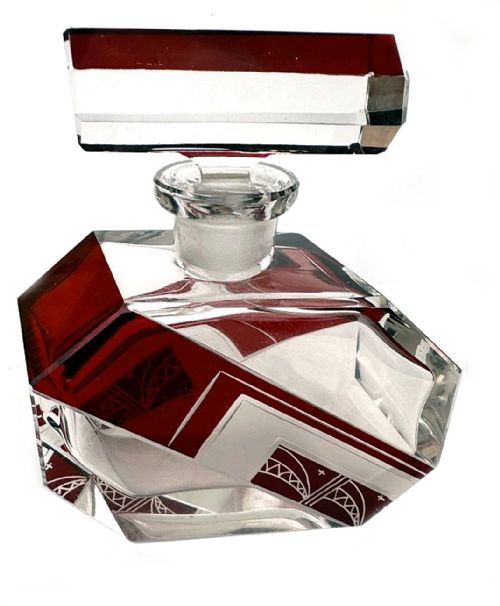
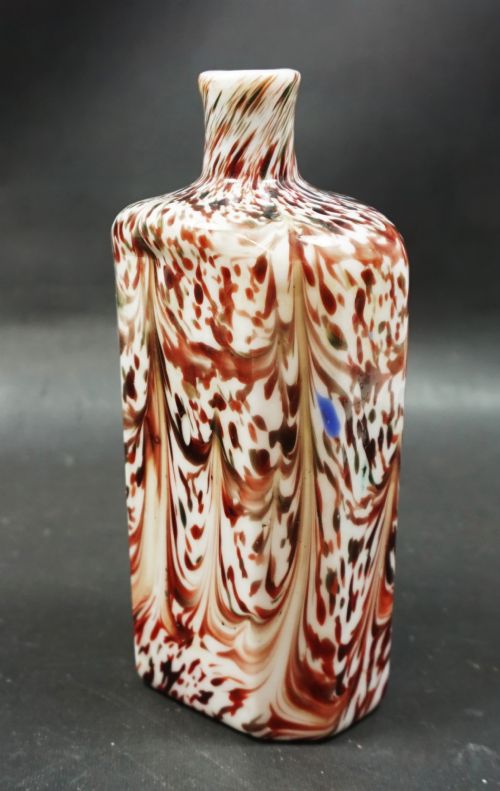
A vintage enamel glass bottle combines glass bodies with decorative enamel work, often functioning as perfume atomizers, scent bottles, or liquor flasks. The selections span from Victorian Scottish whisky decanters to geometric Art Deco dressing table pieces.
Most examples you will encounter date from the early twentieth century, particularly the 1930s, featuring Czech glass, clear crystal, or coloured glass bodies mounted with sterling silver or chrome fittings. Formats range from small pocket scent bottles to tall atomizers and decanters.
Origins stretch across Britain, France, Bohemia, and Switzerland, encompassing styles from Arts and Crafts to French Belle Epoque and Qing Dynasty aesthetic influences. These vessels were primarily created for personal vanity use or hospitality.
What varies in quality
Quality rests on the crispness of the glass cutting and the complexity of the enamel work, particularly the evenness of guilloche patterns and the absence of chipping in the glass. Maker attribution also alters standing, with signed pieces from known workshops holding distinct distinction.
The weight of the metal mounts and the integration between silver collars and glass bodies separate standard utilitarian items from luxury dressing table sets. Preservation of original atomizers, daubers, and matching stoppers elevates the integrity of each piece.
Vintage Enamel Glass Bottle Retail Price Guide 2026
Typical asking prices for vintage enamel glass bottle among the pieces listed under this phrase on Sellingantiques today, from the lower quarter to the upper quarter. They describe what is for sale here now, not the wider market.
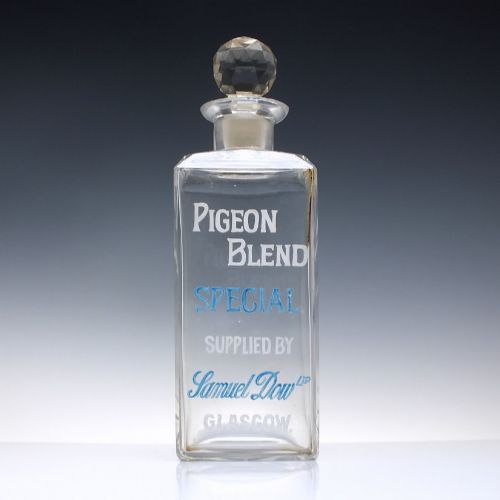
Several Scottish whisky decanters preserve faded labels for Pigeon Blend and Cattos Vosh, once poured in Victorian taverns.
Karl Palda·Henry Perkins·Archibald Knox for Liberty·René Lalique·Mappin & Webb
The Vintage Enamel Glass Bottle Glossary
- Guilloche
- Enamel applied over a metal surface that has been engraved with an intricate repetitive geometric pattern. This technique creates a shimmering wave effect beneath translucent colour.
- Atomizer
- A mechanical spray fitting attached to a perfume bottle, utilising a bulb or push pump to distribute liquid. They appear frequently on mid-century and Art Deco vanity vessels.
- Decanter
- A stoppered glass vessel used for holding and serving wines or spirits. Whisky decanters often feature enamelled lettering identifying specific regional blends.
- Mary Gregory glass
- Glassware decorated with painted white enamel silhouettes of children or figures, typically set against a green or coloured background. Victorian dressing table sets frequently showcase this method.
Vintage Enamel Glass Bottle: Frequently Asked Questions
How do I clean a vintage scent bottle?
Clean the exterior with a soft, dry cloth to protect delicate enamel and silver mounts from moisture damage. Avoid submerging antique pieces with cork stoppers or metal collars in water.
For the interior, rinse gently with warm water without harsh detergents. Allow the bottle to dry completely with the stopper removed before storage.
Are these bottles safe for daily perfume use?
Most antique and vintage scent bottles are better suited for display rather than daily travel or active use. Older stoppers and atomizer mechanisms may not seal tightly against modern volatile liquids.
Treat them as decorative objects for the dressing table or cabinet. Displaying them away from direct sunlight preserves the vibrancy of the enamel.
How can I tell an Art Deco bottle from a Victorian one?
Art Deco pieces rely on sharp geometric lines, stylised motifs, and Czech or continental glass bodies. They frequently feature chrome fittings alongside guilloche enamel.
Victorian examples lean towards ornate floral engraving, heavier cut crystal, and traditional sterling silver hallmarks. Colours in Victorian pieces often include deep greens and blues.
What do silver hallmarks tell me?
British hallmarks provide the assay office city, the standard of purity for the silver, and a date letter corresponding to the year of manufacture. These stamps appear on the collars or lids of fitted bottles.
Foreign pieces may bear different stamps or maker marks stamped directly into the metal or enamel work. These marks help confirm the origin and production era.