



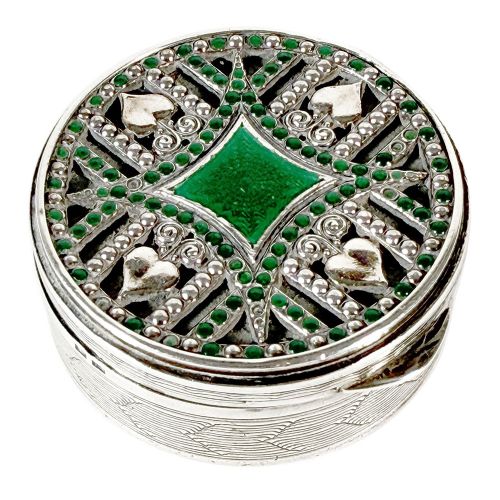
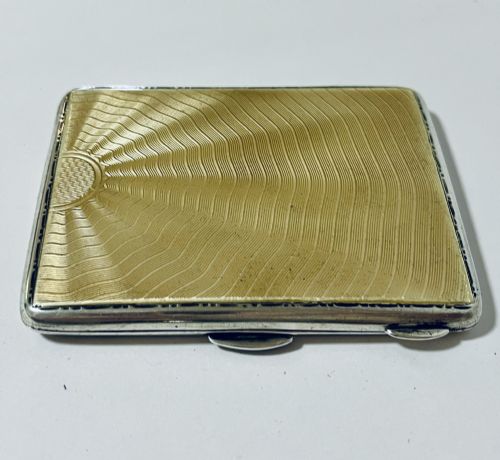
Vintage Enamel Box
These small containers, often encountered as trinket boxes or compacts, combine vitreous glass work with precious metals.
Vintage Enamel Box
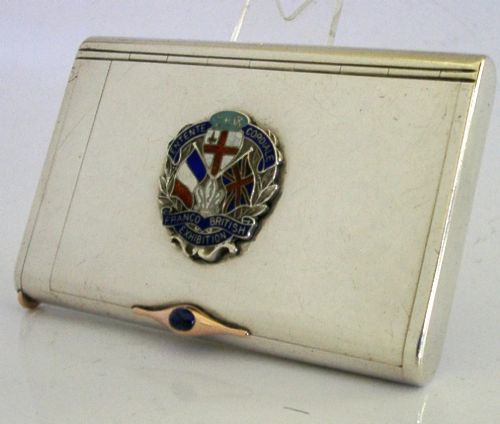
A vintage enamel box encompasses small storage containers made across the twentieth century and earlier, including powder compacts, dressing table jars, cigarette cases, and pill boxes. These items serve as functional receptacles for small valuables, cosmetics, and tobacco, frequently utilising hinged lids and lined interiors.
The objects span periods from the eighteenth century through the Edwardian era to Art Deco and Mid-Century Modern designs. Pieces originating from British workshops in Birmingham appear alongside continental European items and Japanese cloisonné work.
Trinket boxes, vanity jars, and card cases form the most common versions met on this page, reflecting the dressing table and pocket accessories popular in past decades.
How they were made
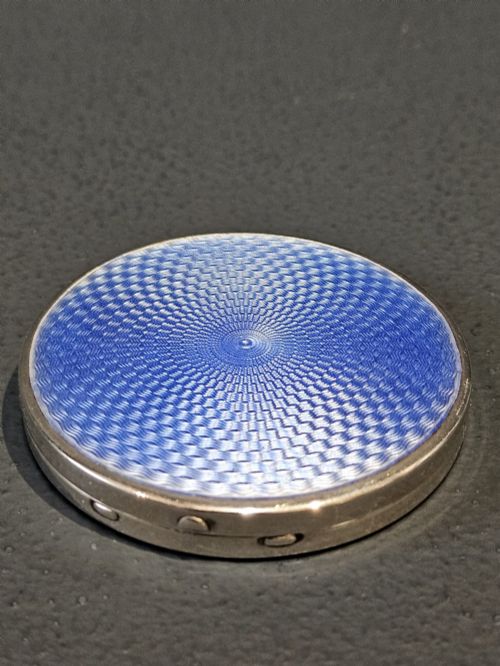
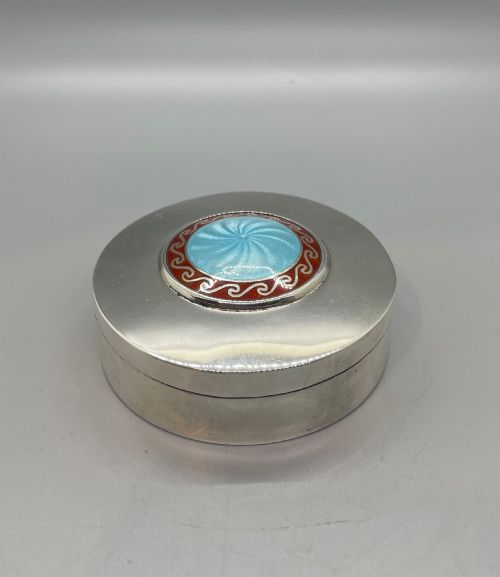
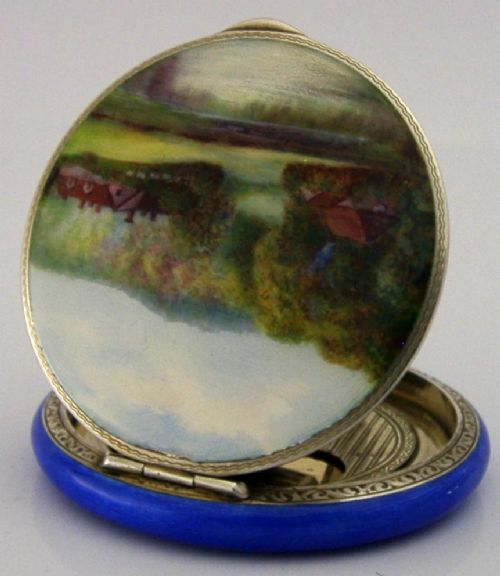
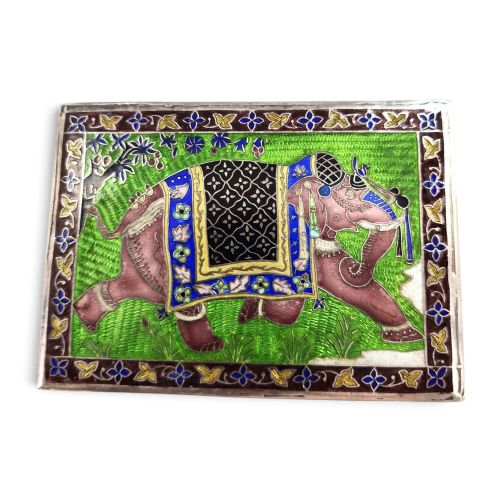
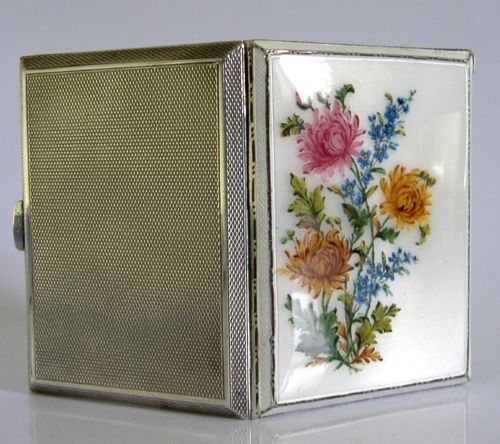
Craftsmen built the foundations of these items using sterling silver, brass, copper, or glass, frequently mounting vitreous enamel surfaces onto metal bases. Guilloché techniques involved machining intricate geometric patterns into the metal beneath translucent enamel layers to create reflective depth.
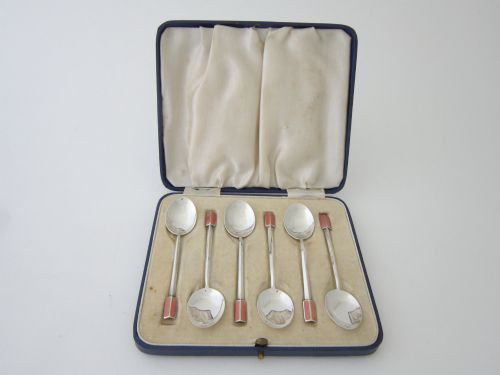
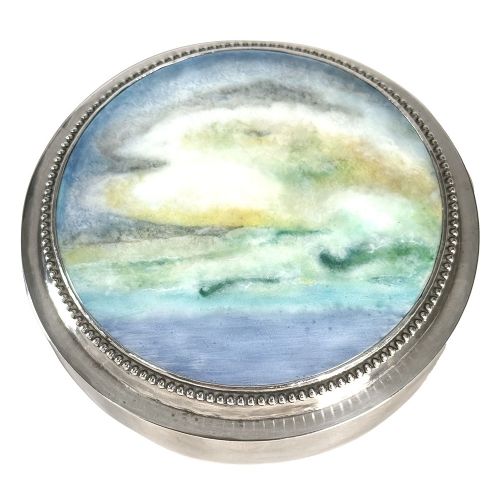
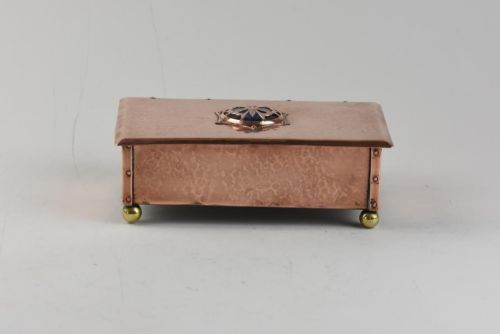
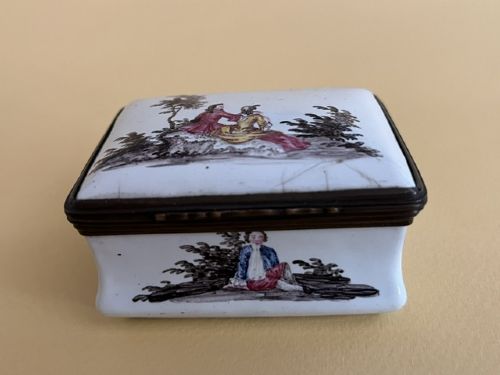
Surface decoration also included hand-painted floral motifs, scenic views, and enamel cabochons fixed with metal overlays. Interior sections often incorporated velvet, suede, or gilt linings to protect the contents.
Vintage Enamel Box Retail Price Guide 2026
Typical asking prices for vintage enamel box among the pieces listed under this phrase on Sellingantiques today, from the lower quarter to the upper quarter. They describe what is for sale here now, not the wider market.
Several boxes disguise their utilitarian origins with secret compartments for tobacco, matches, or portrait miniatures.
What varies in quality
The precision of the underlying metalwork and the complexity of the enamel technique dictate the standard of an item. Guilloché patterns executed with sharp, regular geometric engine-turning represent finer execution than plain or uneven surfaces.
The clarity and condition of the vitreous glass layer, along with the intricacy of hand-painted details such as miniature portraits or floral scenes, separate standard commercial output from superior workshop production.
Henry Clifford Davis·Fleetwood Varley·George Adam Scheid·Henry Matthews·Giuliano Spinelli·Turner and Simpson Ltd·David Andersen
The Vintage Enamel Box Glossary
- Guilloché
- A decorative technique in which a precise, intricate pattern is mechanically engraved into metal before a translucent enamel coating is applied. This method allows light to reflect through the coloured glass surface.
- Vitreous Enamel
- A material made by fusing powdered glass to a substrate through firing at high temperatures. The resulting compound provides a durable, glossy coloured surface.
- Vesta Case
- A small pocket box fitted with a hinged lid, originally designed to hold matches and keep them dry. Many examples feature enamel crests or decorative fronts.
- Cabochon
- A gemstone or piece of glass shaped and polished with a smooth, rounded top rather than faceted edges. These elements are often mounted centrally on metal boxes.
- Dressing Table Jar
- A small glass or metal container with a decorated lid, intended for holding cosmetics or hairpins on a vanity. Lids are frequently worked in sterling silver and coloured enamel.
Vintage Enamel Box: Frequently Asked Questions
How do I clean an enamel box?
Cleaning requires a soft dry cloth to remove dust from the glass and metal surfaces without causing abrasion. Liquid cleaners and chemical dips must be avoided to protect fragile enamel and vintage linings.
Silver portions may be polished carefully with a specialist cloth while taking care to avoid rubbing the vitreous glass sections.
What were antique trinket boxes used for?
These small containers held personal valuables such as rings, pins, and small keepsakes on bedroom dressing tables. Versions fitted with internal mirrors and compartments also served as cosmetic compacts.
Cigarette cases and vesta boxes held smoking materials for daily pocket use by men and women.
How to date vintage enamel boxes?
Dating relies on hallmarks stamped into the metal components, particularly on British sterling silver pieces which record assay office marks and date letters. Stylistic indicators such as Art Deco geometric forms or Edwardian motifs also point to specific decades.
Materials and construction methods provide further clues, distinguishing eighteenth-century patch boxes from mid-century productions.