

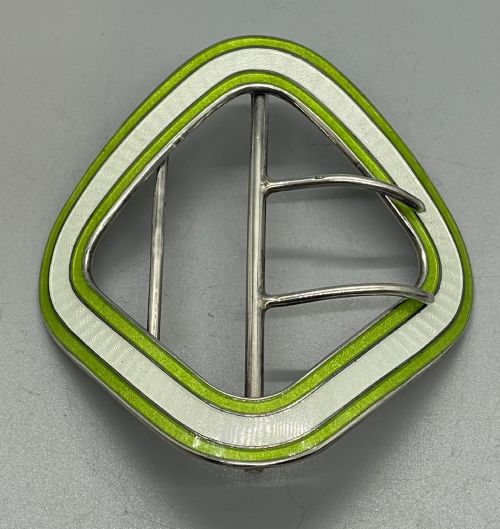
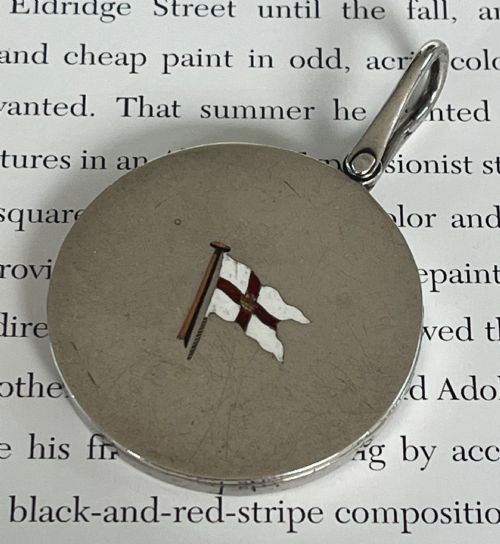
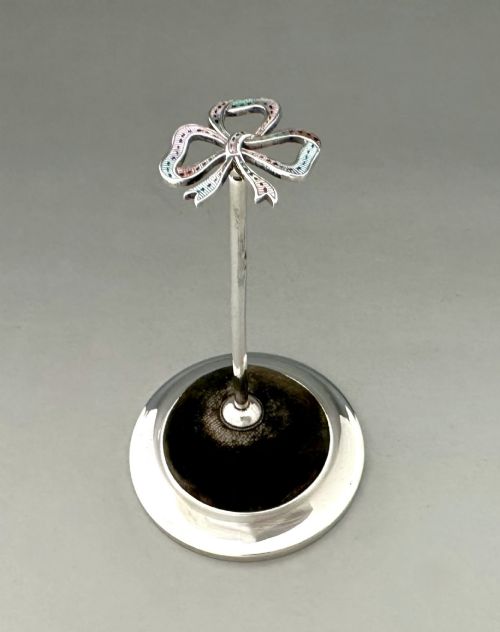
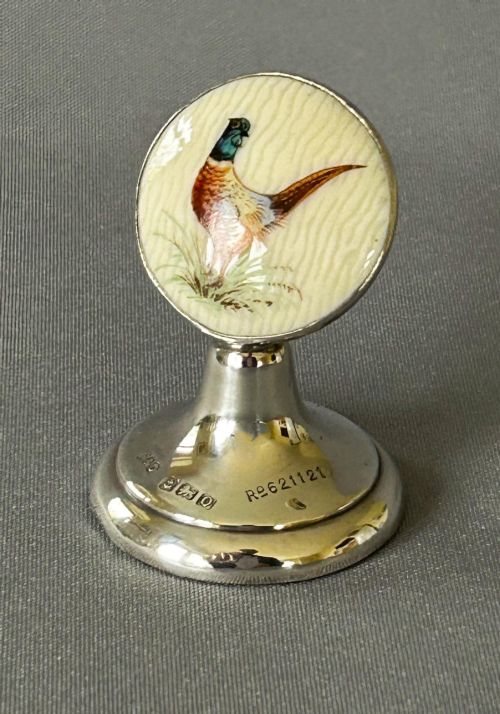

Vintage Enamel Accessory
A vintage enamel accessory brings colour and small utility to a desk, dressing table, or cocktail hour.
Vintage Enamel Accessory
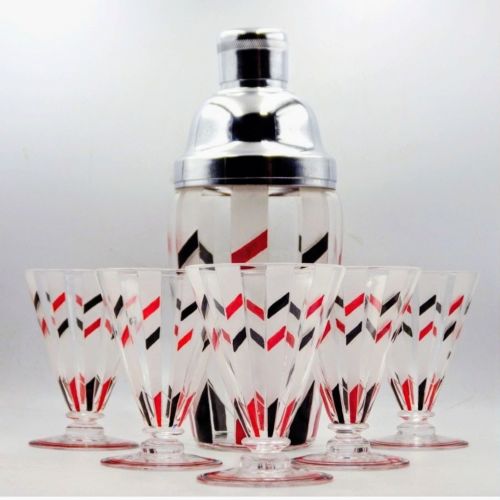
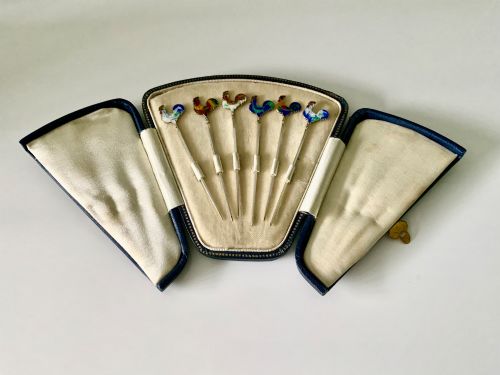
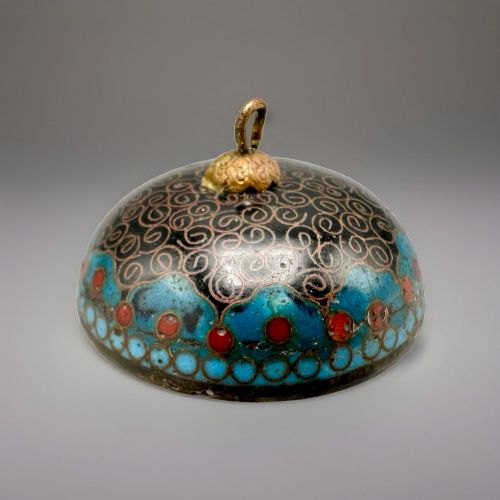
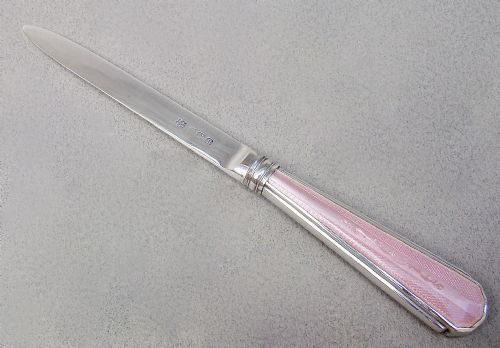
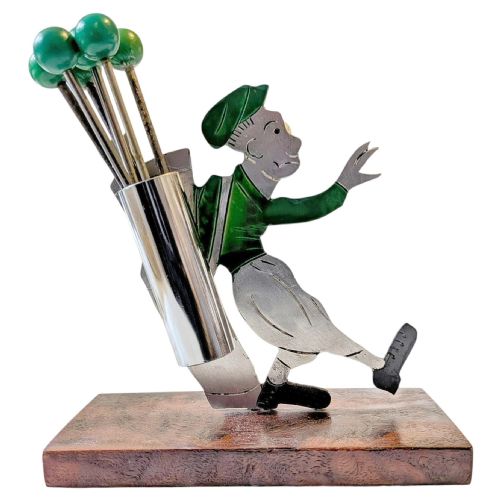
A vintage enamel accessory encompasses functional items from domestic and personal life, ranging from dressing table jars and perfume bottles to desk items, cocktail sticks, and men's cufflinks. When searching for a vintage enamel accessory, a buyer encounters portable objects made to sit upon a surface or be carried in a pocket.
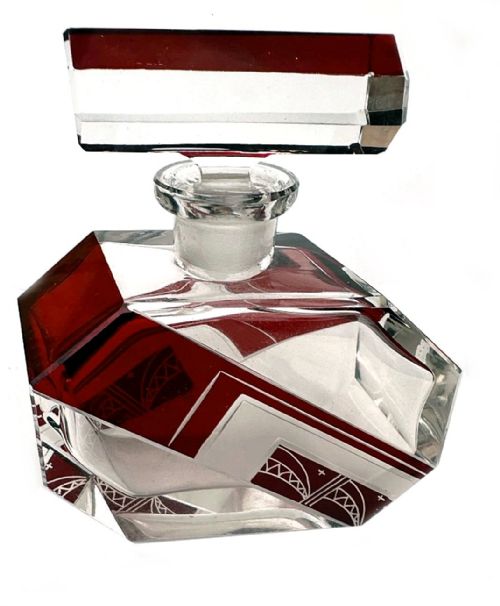
The selections span distinct periods, with an emphasis on Art Deco geometric designs from the 1930s, alongside Edwardian, Victorian, and Arts and Crafts examples. Materials typically combine sterling silver, brass, or glass with vitreous or guilloche enamel work.
Materials and Techniques
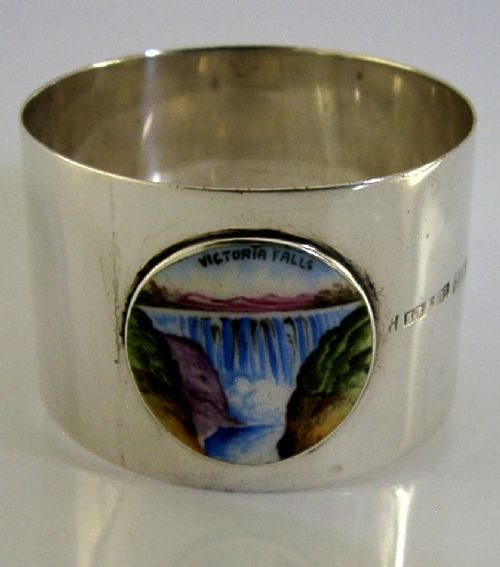
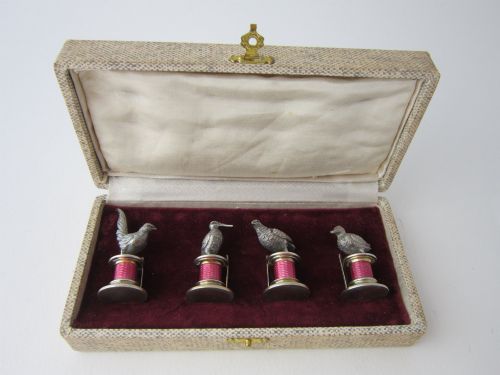
Makers fused powdered glass onto metal bases through high-temperature firing, producing a smooth vitreous enamel surface that retained its colour over decades. Sterling silver and brass provided sturdy structural elements for items like cigarette cases, menu holders, and napkin rings.
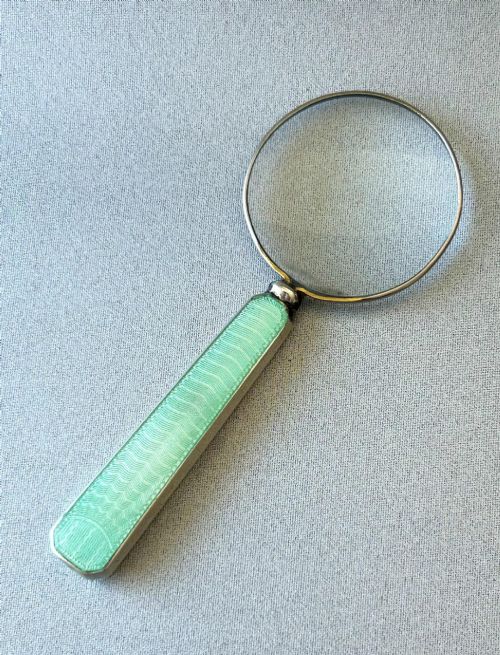
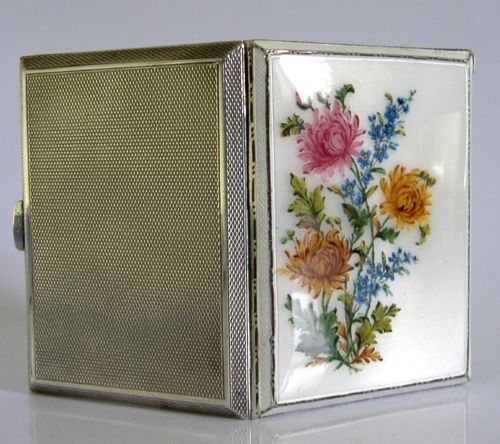
Guilloche work involved machine-turning a geometric pattern into the underlying metal before applying translucent enamel, allowing light to reflect through the coloured layers. Cut glass and brass also appeared frequently, particularly in perfume bottles, atomisers, and desk inkwells.
Vintage Enamel Accessory Retail Price Guide 2026
Typical asking prices for vintage enamel accessory among the pieces listed under this phrase on Sellingantiques today, from the lower quarter to the upper quarter. They describe what is for sale here now, not the wider market.
Listings feature items from the Victorian era up to the 1940s, executed in sterling silver, brass, glass, and copper.
Standards of Execution
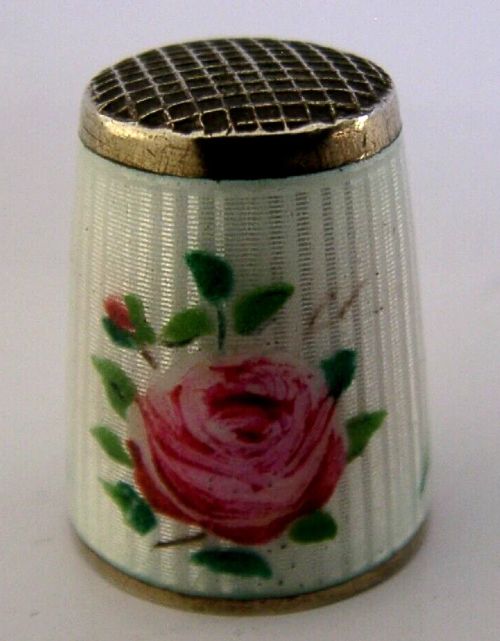
Quality rests upon the precision of the metalwork and the clarity of the enamel surface. Hand-painted floral details or complex engine-turned guilloche patterns indicate higher craftsmanship than plain, flat enamel fills.
The integration between the metal mount and the glass or enamel body demonstrates the maker's skill. Weight, hallmarks denoting sterling silver standard, and intact, crisp geometric lines separate standard utilitarian pieces from finer decorative works.
David Andersen·Karl Palda·Barker Brothers·Liberty And Co·Henry Perkins
The Vintage Enamel Accessory Glossary
- Guilloche
- A decorative technique where a precise geometric pattern is mechanically engraved into metal before translucent enamel is applied over the top. This creates a shimmering, patterned depth beneath the coloured surface.
- Vitreous enamel
- A material made by fusing powdered glass to a substrate by firing, typically at high temperatures. The resulting compound is durable and glossy.
- Cloisonne
- An ancient technique where thin metal wires are soldered to a metal base to form compartments, which are then filled with enamel paste and fired. The resulting design shows distinct wire outlines between the coloured sections.
- Champleve
- A method where troughs or cells are carved directly into the surface of a thick metal object and filled with enamel before firing. The surrounding metal remains visible as part of the design.
Vintage Enamel Accessory: Frequently Asked Questions
How do I clean an enamel accessory?
Clean these pieces gently using a soft cloth and lukewarm water, avoiding harsh chemical dips that can damage the delicate metal or loosen old glass inserts.
Dry the item immediately after washing to protect silver components and prevent moisture from settling into any tiny crevices around the enamel edge.
Are these pieces meant for daily use?
While originally designed for practical domestic functions such as holding perfume, serving cocktails, or clipping cuffs, these vintage items benefit from gentle handling today due to their age.
Displaying them on a desk or dressing table allows you to appreciate their utility while protecting the vulnerable vitreous surfaces from heavy wear.
How can I tell the period?
Examine the design motifs and hallmarks, as Art Deco pieces from the 1930s typically feature bold geometric lines, while Edwardian and Victorian items lean towards floral or naturalistic patterns.
Silver mounts often carry assay office marks and date letters that narrow down the exact year of manufacture.