



Vintage Elgin Timepieces
Vintage elgin timepieces span robust pocket watches and elegant wristwatches from the early twentieth century, offering dependable craftsmanship and enduring historical character.
Vintage Elgin Timepieces
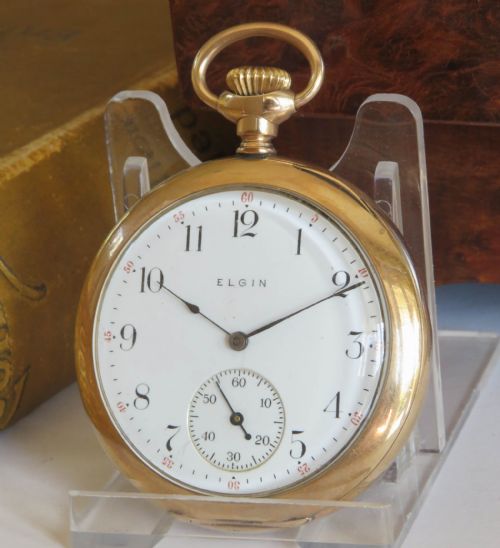
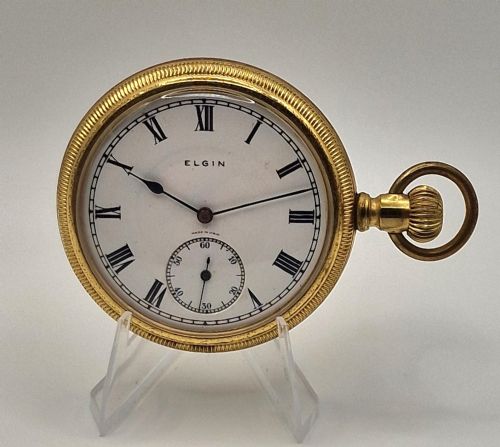
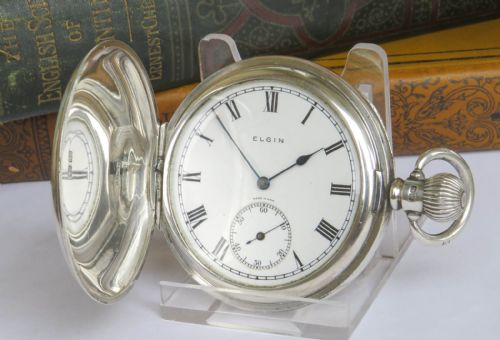
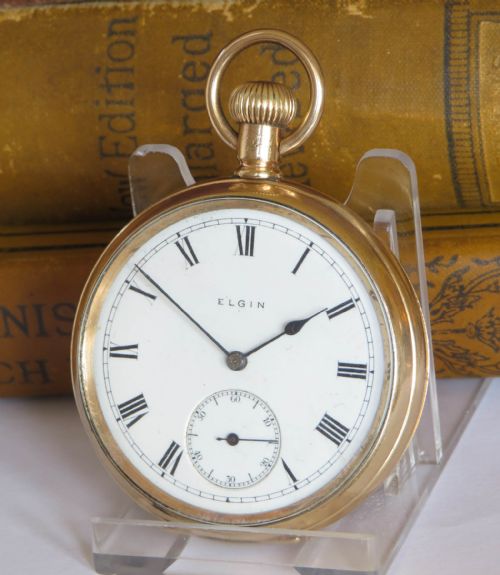
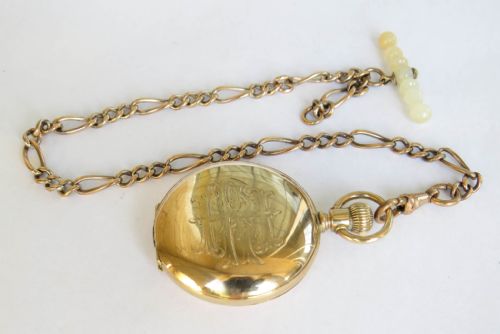
When buyers search for vintage elgin timepieces, they encounter a range of pocket watches and wristwatches originating from the 1910s, 1920s, and 1930s. The selection includes railway-issued pieces, military pieces, hunter pocket watches with fob attachments, and distinct wristwatches.
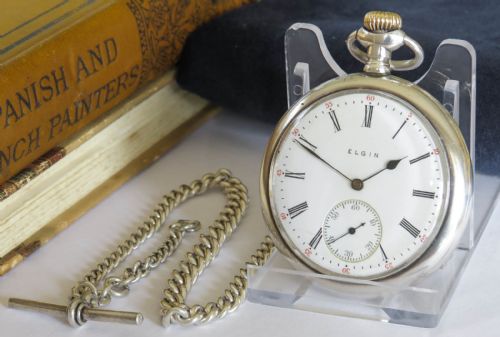
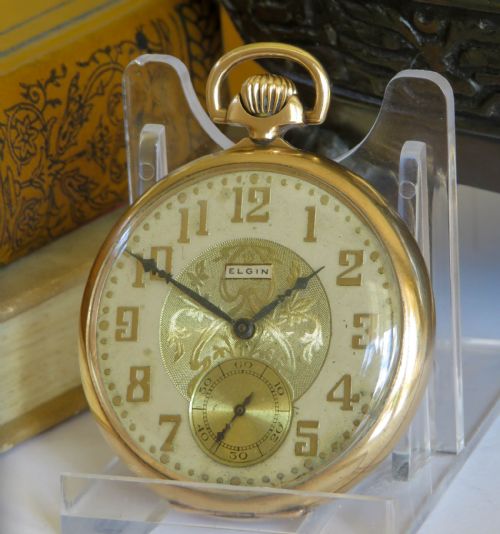
The most common examples on this page are silver pocket watches and early wristwatches reflecting the shift in personal timekeeping from the pocket to the wrist during the early twentieth century. Pieces hail from distinct eras including Edwardian and Art Deco periods, housing mechanical movements inside gold filled, steel, silver, and gold plate cases.
Specialised items such as railway pocket watches made for the North British Railway sit alongside ladies and gentleman's wristwatches featuring enamel dials and glass crystals. Buyers choose these examples for their combination of utilitarian history and period design.
What varies in quality
The degree of preservation in the case metal and the legibility of the enamel dial distinguish different grades of these watches. Examples retaining crisp hallmarks on silver or unpolished gold filled surfaces demonstrate higher original status.
The complexity and finishing of the internal movement, alongside specific institutional provenance such as railway markings, elevate certain pieces. Original glass crystals and well-maintained mechanical components reflect superior care over decades of use.
Some railway workers relied on these exact watches to keep multi-tonne steam locomotives running strictly on time.
The Vintage Elgin Timepieces Glossary
- Hunter pocket watch
- A pocket watch featuring a spring-loaded metal cover that protects the glass dial from damage. Pressing the crown releases the cover to reveal the time.
- Full hunter fob watch
- A watch designed to be carried in a waistcoat pocket and secured via a short chain attached to a fob. The full hunter style encloses both sides in protective metal.
- Gold filled
- A composite material consisting of a solid layer of gold mechanically bonded to a base metal core. This technique provides the appearance of solid gold with greater durability.
- Art Deco
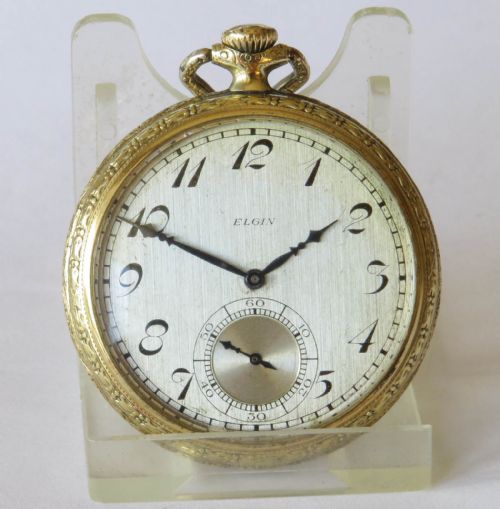
- A design style spanning the 1920s and 1930s characterised by geometric shapes, stylised numerals, and clean lines. It heavily influenced the wristwatch cases of this era.
- Railway watch
- A high-precision timekeeper commissioned or utilised by railway companies for accurate scheduling. These pieces typically display clear Arabic numerals and robust movements.
Vintage Elgin Timepieces: Frequently Asked Questions
How do I wind a vintage pocket watch?
Most pocket watches wind via the crown at the top of the case by turning it gently clockwise until resistance is felt. Care must be taken not to overwind the mainspring.
After winding, pull or set the time according to the specific mechanism, often by pressing a tiny lever near the dial or pulling the crown upwards depending on the decade.
Are these wristwatches suitable for daily wear?
While these items are mechanical and robust for their age, early twentieth-century wristwatches lack modern shock resistance and water sealing. They require gentle handling and protection from moisture.
Owners typically reserve them for occasional wear rather than rigorous daily activities, ensuring the internal movements remain preserved and accurate.
What is the difference between a hunter and an open-face watch?
A hunter watch includes a hinged metal lid that covers the glass crystal, requiring the user to open it to check the time. This design protected the watch face from scratches during manual labour or travel.
An open-face watch leaves the crystal exposed at all times for immediate viewing. Both styles were common during the early decades of the twentieth century.
How do I identify the production date?
Production dates are typically identified by examining the serial numbers engraved on the internal movement rather than the outer case. These numbers correspond to manufacturer records from the 1910s, 1920s, and 1930s.
Stylistic cues such as Edwardian typography or Art Deco case geometry also help narrow down the manufacturing period alongside accompanying hallmarked silver cases.