



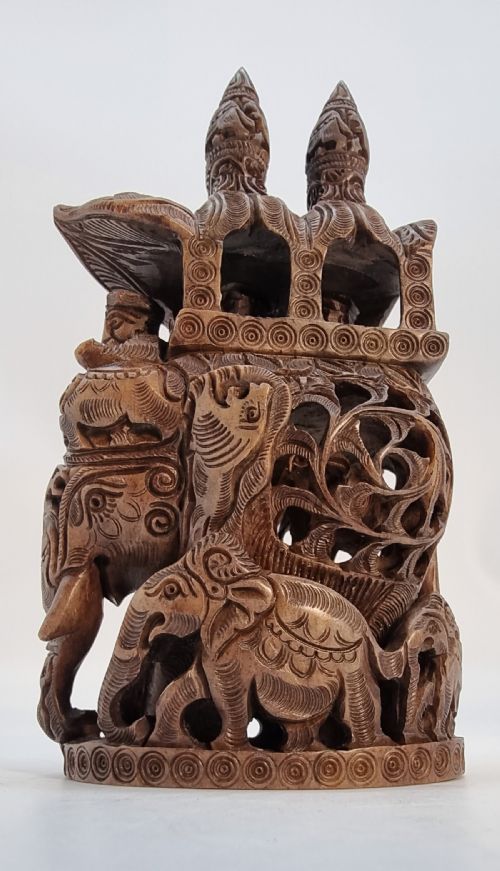


Vintage Elephant Figure
A vintage elephant figure brings tactile warmth and sculptural character into a room, spanning carved hardwoods, bronze, and leather from the nineteenth century to the art deco era.
Vintage Elephant Figure
A vintage elephant figure appears in numerous guises across this selection, from heavy bookends and desk paperweights to substantial freestanding sculptures and architectural doorstops. You encounter these pieces in varied forms that reflect both Western decorative arts and traditional Eastern craftsmanship.
The most common iterations on this page include carved hardwood studies from the Raj period alongside structured leather models and bronze desk ornaments. Makers produced these figures for utilitarian roles like holding books or simply as ornamental shelf displays.
Origins stretch across India, Burma, China, and Japan, with European makers also interpreting the subject during the Victorian and art deco periods. Buyers find everything from diminutive opium weights to large pairs intended for mantelpieces.
Materials and construction methods
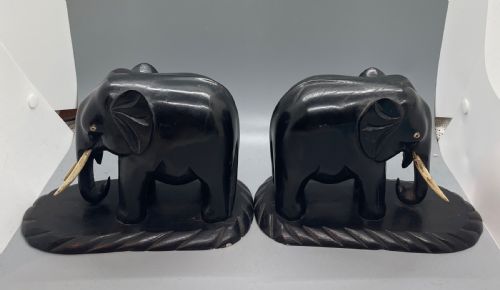
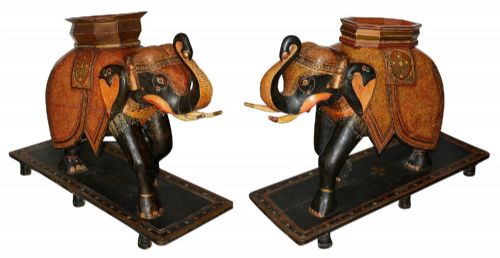
Carved wooden figures rely on dense timbers such as ebony, teak, and hard woods, often shaped by hand with intricate detailing to capture the animal's skin folds and ceremonial trappings. Artisans in regions like Kashmir and Coromandel utilised local woods to create substantial sculptural studies.
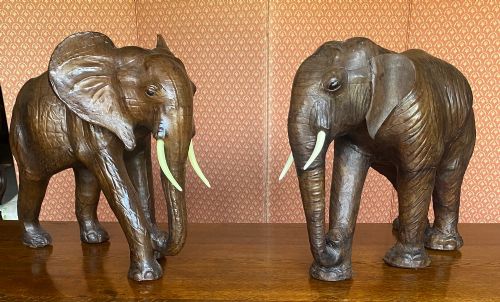
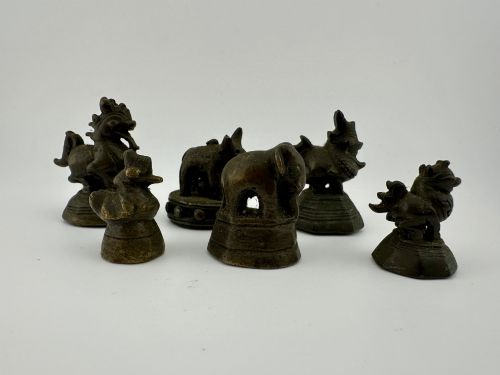
Metal versions utilise bronze and brass, cast via traditional methods to achieve heavy, durable forms that double as paperweights or doorstops. Leather models constructed over internal armatures demonstrate another distinct approach, employing stretched hide and gesso to form realistic animal bodies.
Makers occasionally combined media, adding lacquer, ivory tusks, or stone bases to enhance the decorative impact of the carved or cast subject.
Vintage Elephant Figure Retail Price Guide 2026
Typical asking prices for vintage elephant figure among the pieces listed under this phrase on Sellingantiques today, from the lower quarter to the upper quarter. They describe what is for sale here now, not the wider market.
The selection includes utilitarian objects such as doorstops and bookends alongside purely decorative sculptures and miniatures.
Assessing craftsmanship and execution
The choice of material elevates certain objects, with dense tropical hardwoods and heavy-cast bronzes holding greater sculptural presence than lighter substitutes. Original patination and the preservation of surface finishes, whether polished wood or aged leather, dictate the visual appeal of the piece.
The Vintage Elephant Figure Glossary
- Opium weight
- A small traditional trade weight cast in bronze, frequently shaped as an animal such as an elephant.
- Raj period
- The era of British crown rule in the Indian subcontinent, spanning from the mid-nineteenth century to the mid-twentieth century, which produced distinctive carved wood decorative objects.
- Meiji period
- The era in Japanese history dating from the late nineteenth to early twentieth centuries, known for highly detailed bronze casting.
- Gesso
- A plaster-based mixture applied to surfaces as a base for paint or leather moulding.
- Coromandel
- A heavy, dark tropical hardwood used extensively in nineteenth-century decorative carving.
Vintage Elephant Figure: Frequently Asked Questions
How do I date a wooden elephant figure?
Dating relies on identifying the timber used, the tool marks left by the maker, and stylistic indicators associated with periods like the Victorian era or the Raj.
Examining the wear patterns and the finish on the wood helps confirm whether a piece originates from the nineteenth century or later decorative revivals.
Were leather elephants used as toys?
Most leather models from the arts and crafts period functioned as decorative display pieces or heavy models rather than children's toys.
Their internal construction and rigid hides were designed for ornamental stability on desks and sideboards.
What is an opium weight?
Opium weights are traditional Southeast Asian standard weights cast in bronze, often shaped as stylised animals including elephants.
Traders used them for measuring goods in regional markets during the nineteenth century.
How do I care for carved ebony figures?
Ebony requires stable humidity levels to prevent the dense wood from splitting over time.
Light dusting with a soft cloth suffices for routine maintenance, avoiding harsh liquid cleaners.