



Vintage Eating Table
These vintage eating table options bring character and solid construction to a room, offering practical surfaces for daily meals.
Vintage Eating Table
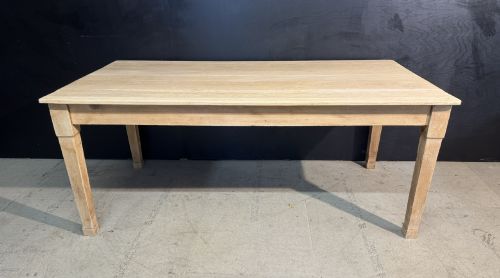
A vintage eating table provides a sturdy central surface for dining, appearing in forms from rustic farmhouse designs to formal period styles. Buyers searching for a vintage eating table encounter pieces originating from the nineteenth century through the early twentieth century.
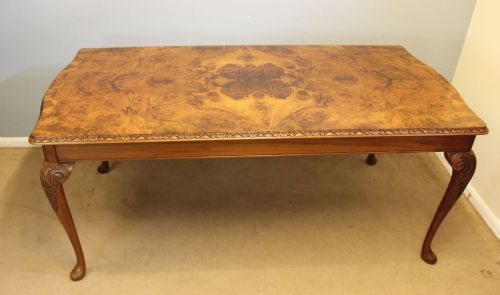
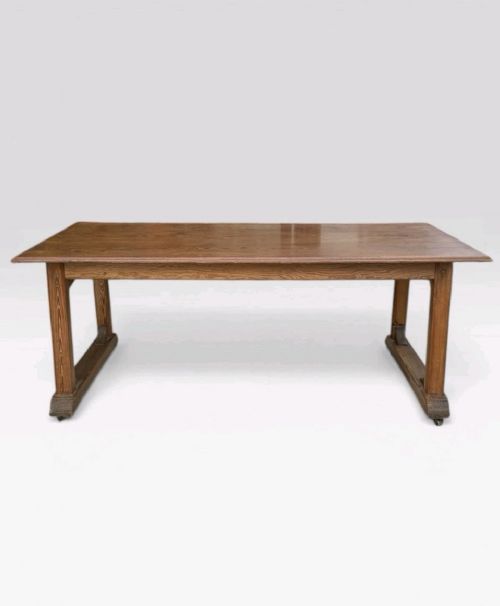
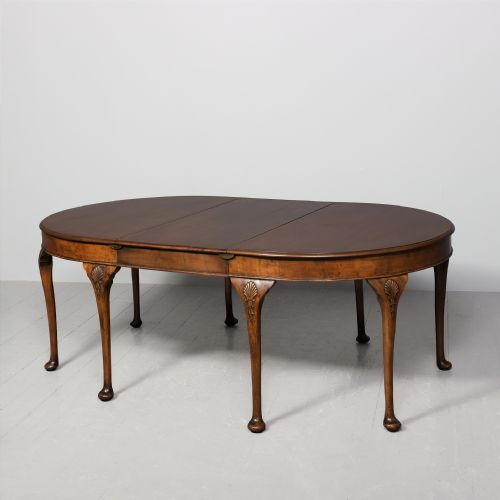
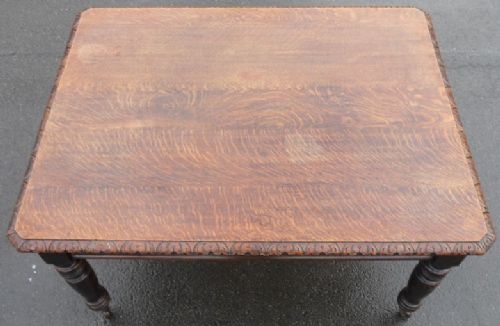
The selection on this page includes rectangular dining tables alongside octagonal mahogany examples and specialised barrel leg forms. Oak and walnut dominate the offerings, spanning Arts and Crafts, Victorian, and Art Deco aesthetics.
How these pieces were made
Cabinet makers utilised solid hardwoods such as oak, mahogany, and walnut to build robust dining surfaces capable of daily use. Burr walnut veneer adds decorative grain patterns to tabletops, while brass and steel appear in supporting elements or hardware.
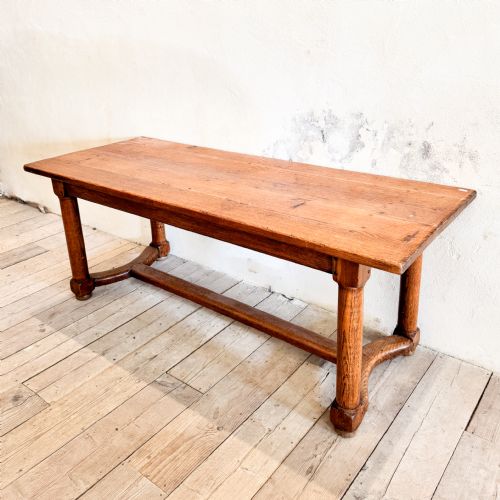
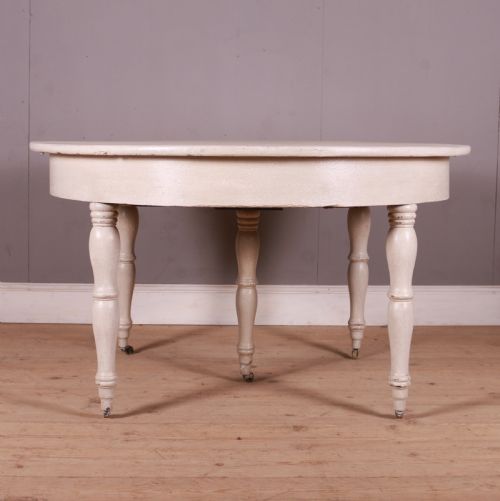
Construction techniques include carved detailing on oak frames and painted finishes on Austrian country pieces. Artisans shaped timber into pedestal supports, including two pillar configurations, and sturdy four-legged frames.
A nineteenth-century Balkan bone-handled knife and fork sneaks into the table company.
What varies in quality
The distinction between standard examples and finer pieces lies in the selection of timber and the execution of decorative details. Solid wood construction and well-figured burr walnut veneer elevate the visual appeal of a dining table.
Stylistic refinement separates simple utilitarian boards from sophisticated period interpretations like George II style or Queen Anne style walnut tables. Carved elements and careful joinery demonstrate superior craftsmanship across the eras represented.
The Vintage Eating Table Glossary
- Burr walnut veneer
- A thin slice of wood with intricate swirling grain patterns applied to a underlying timber base. This decorative surface appears frequently on mid-century and earlier high-end tables.
- Pedestal table
- A dining table supported by one or more central columns rather than standard corner legs. Two pillar models distribute weight across dual supports.
- Arts and Crafts
- A design movement prioritising traditional craftsmanship and simple forms over mass-produced ornamentation. Pieces from this style focus on the natural qualities of the wood.
- Octagonal
- Having eight sides. This geometric shape defines the top of specific Victorian dining tables.
Vintage Eating Table: Frequently Asked Questions
What periods do these tables come from?
The pieces span the nineteenth century up to the 1930s. Examples include Victorian, Edwardian, and early twentieth-century designs.
Dates align with specific stylistic movements such as Art Deco, Arts and Crafts, and Queen Anne style revivals.
Which woods are most common?
Oak, walnut, and mahogany form the primary material choices for these dining tables. Solid timber provides the structural foundation for daily use.
Craftsmen also utilised burr walnut veneer to create decorative patterned surfaces on tabletops.
How do pedestal tables differ?
Pedestal tables utilise central columns or pillars to support the main tabletop instead of standard corner legs. Two pillar models use dual supports for stability.
This configuration alters seating arrangements around the perimeter of the table.
Are painted finishes available?
Painted decoration appears on specific regional pieces, notably Austrian country furniture. These finishes provide distinct visual character compared to polished wood.
Folk art influences show in the decorative paintwork applied to these surfaces.