






Vintage Earthenware Dish
These vintage earthenware dish examples bring tactile history to the table, offering practical service or decorative display through traditional ceramic forms.
Vintage Earthenware Dish
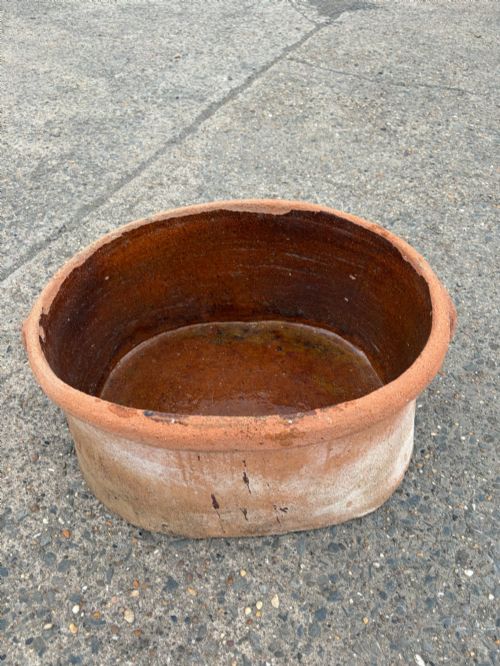
When you search for a vintage earthenware dish, you encounter a diverse array of functional and decorative ceramic tableware spanning multiple centuries. These pieces originate from periods including the eighteenth and nineteenth centuries, as well as the Victorian era, bringing historical domestic craftsmanship directly to modern interiors.
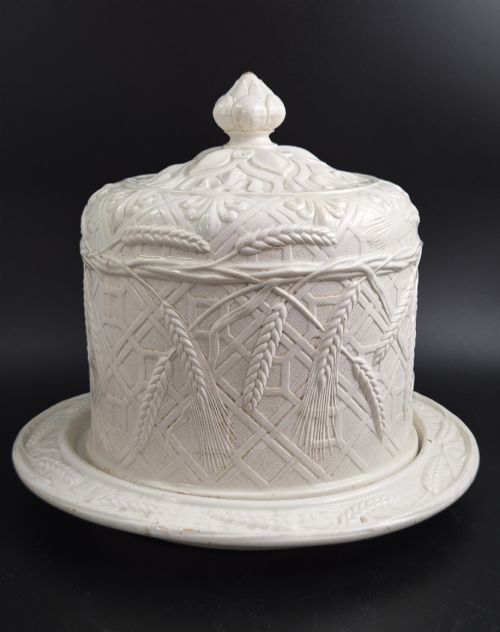
The selections on this page appear in various forms, most commonly as serving platters, tureens, cheese domes, and chargers. These items reflect traditional dining and display customs from English, French, and Dutch origins.
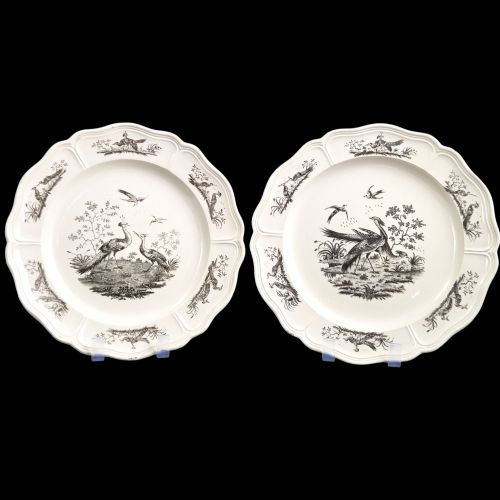
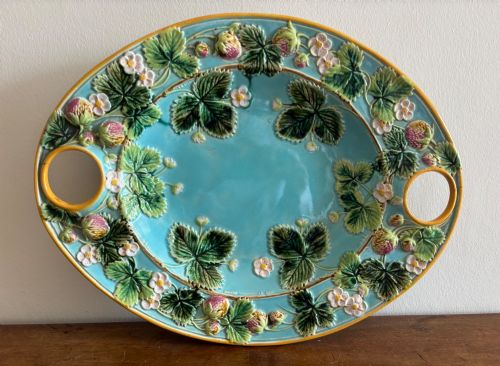
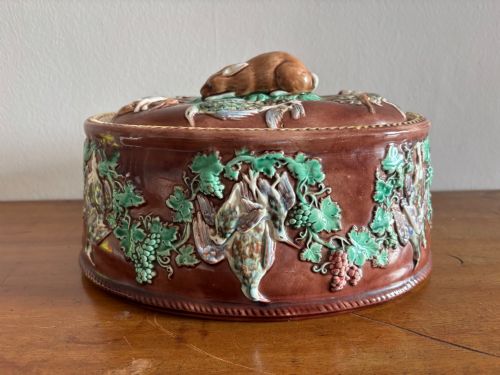
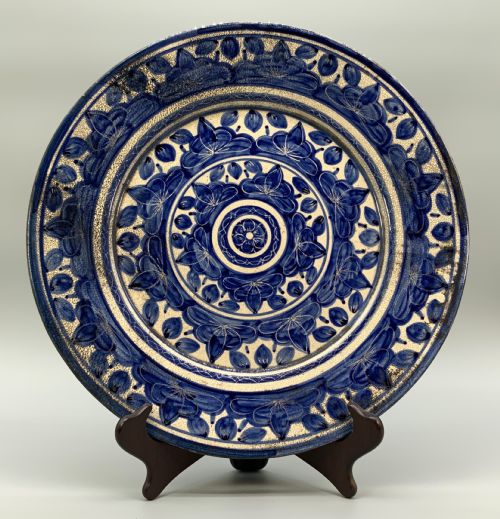
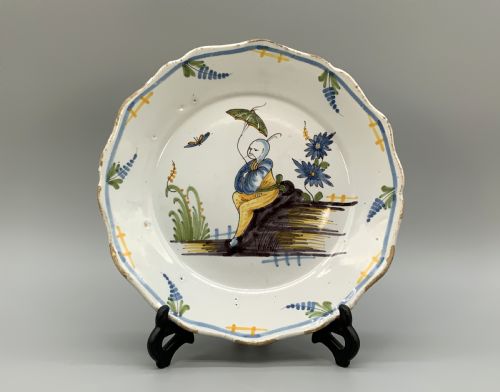
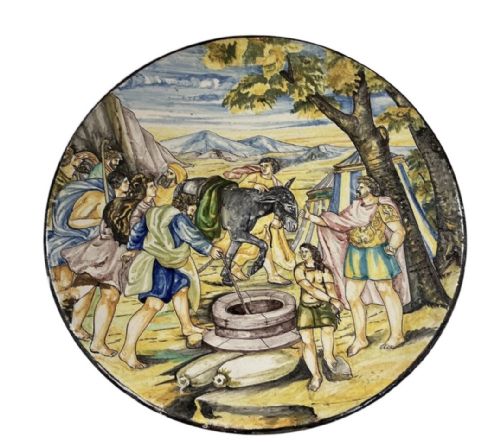
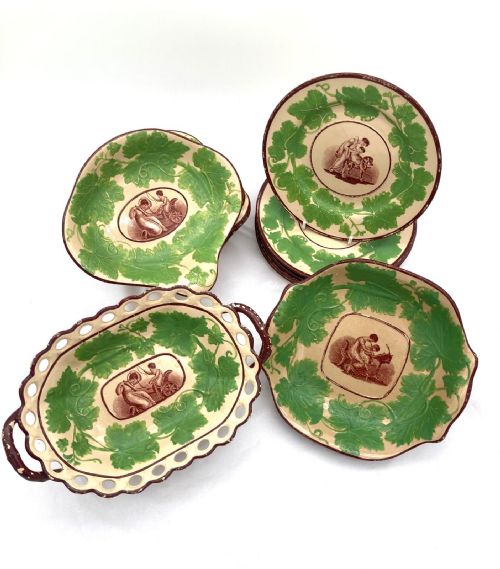
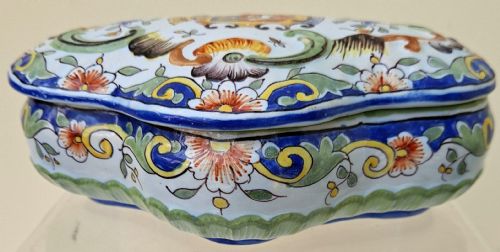
The versions most frequently met here combine earthenware bases with decorative glazes, transfer printing, or hand-painted motifs. They range from simple utilitarian platters to ornate majolica and delftware chargers meant for prominent display.
How They Were Made
The pieces rely on porous clay bodies such as earthenware and terracotta, which are shaped and subsequently coated with glazes to create a sealed surface. Tin glaze and standard ceramic glazes provide the smooth exterior required for both utility and detailed surface decoration.
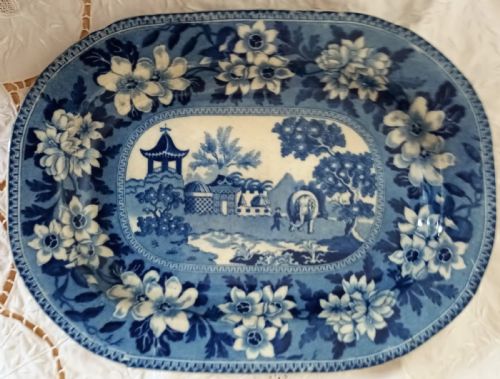
Makers applied hand-painted pigments, enamel, and blue and white transfer printing to achieve pictorial patterns like floral motifs and architectural scenes. Techniques such as basket weave moulding and tin-glazing demonstrate the specialised skills utilised by historical potteries.
Vintage Earthenware Dish Retail Price Guide 2026
Typical asking prices for vintage earthenware dish among the pieces listed under this phrase on Sellingantiques today, from the lower quarter to the upper quarter. They describe what is for sale here now, not the wider market.
Listings feature items from the eighteenth, nineteenth, and twentieth centuries, incorporating materials like terracotta, tin-glazed earthenware, and enamel.
What Varies in Quality
Quality in these ceramics rests upon the precision of the moulding and the execution of the surface decoration. Hand-painted examples with crisp, deliberate brushwork sit at the higher end of the range compared to simpler mass-produced items.
The sophistication of the glaze application and the complexity of the form, such as moulded animal figures or intricate basket weave textures, dictate the distinction between standard domestic ware and superior decorative pieces.
Leeds Pottery·George Jones·John Rogers and Son·John and Richard Riley·Mann and Co
The Vintage Earthenware Dish Glossary
- Earthenware
- A porous pottery type fired at relatively low temperatures, requiring a glaze to hold liquids. It forms the structural base for many traditional domestic vessels.
- Charger
- A large decorative plate or platter traditionally used for ceremonial dining or placed beneath other courses. These pieces often feature prominent hand-painted or transfer-printed designs.
- Tureen
- A deep covered bowl designed for serving soups, stews, or specialised dishes like game pies. They frequently include matching stands and decorative handles.
- Transferware
- Pottery decorated by applying a printed design from an engraved copper plate onto tissue paper, which is then transferred to the ceramic surface before glazing. This technique allowed for intricate repeating patterns like landscapes and floral borders.
- Majolica
- A type of earthenware covered with an opaque tin glaze and painted with metallic oxide colours. It is celebrated for its bright, saturated palette and sculptural relief moulding.
Vintage Earthenware Dish: Frequently Asked Questions
What is a vintage earthenware dish used for?
These pieces served practical roles in historic households for presenting meats, cheeses, soups, and desserts during family meals and formal dinners. Today, buyers utilise them both for functional serving and as decorative wall or sideboard displays.
Their robust ceramic construction allows them to transition smoothly from utilitarian dining accessories to statement pieces within traditional or eclectic interior settings.
How do I care for antique earthenware?
Historic ceramics require gentle hand washing in lukewarm water with mild soap to protect the underlying clay body and historic glazes from damage. Dishwashers and harsh abrasive cleaners must be strictly avoided.
Storing these items securely on stable surfaces prevents chipping, while avoiding sudden temperature changes protects the fragile glazes from thermal shock and crazing.
How do I date a ceramic dish?
Dating relies on examining the physical characteristics of the pottery body, the style of the glaze, and any maker marks or impressed stamps on the underside. Stylistic cues such as transfer-printing motifs and hand-painted colour palettes also provide clear chronological markers.
Comparing the form and manufacturing technique against known historical periods helps narrow down the decade or century of production.