




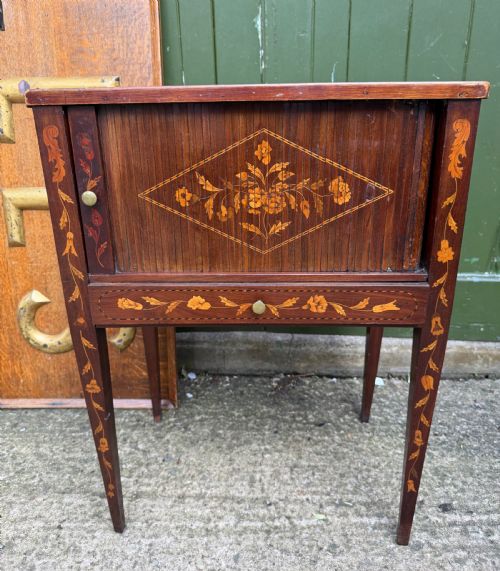


Vintage Dutch Furniture
Vintage dutch furniture brings striking marquetry, bombé curves and rich walnut surfaces into a room.
Vintage Dutch Furniture
Vintage dutch furniture encompasses practical and decorative forms spanning several centuries, ranging from sturdy oak cabinets to highly ornate marquetry chests. Buyers searching for these items will encounter pieces shaped by provincial traditions as well as grand baroque and neoclassical tastes.
Origins stretch across multiple eras, with significant representation from the eighteenth and nineteenth centuries, alongside early twentieth-century interpretations. These works reflect regional craftsmanship defined by curved silhouettes and floral inlay.
How They Were Made
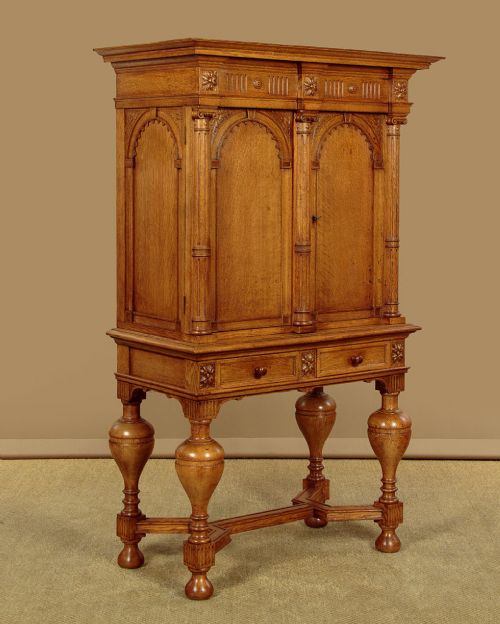
Cabinetmakers utilised dense timbers such as walnut, oak, mahogany and fruitwood, often applying burr walnut or satinwood veneers to prominent surfaces. Marquetry panels display intricate floral and foliate motifs composed of various contrasting woods.
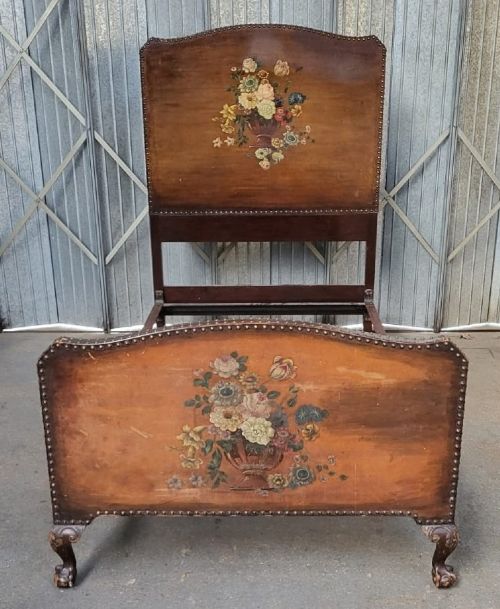
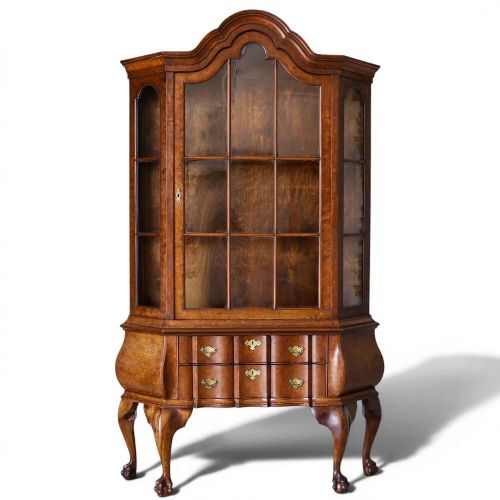
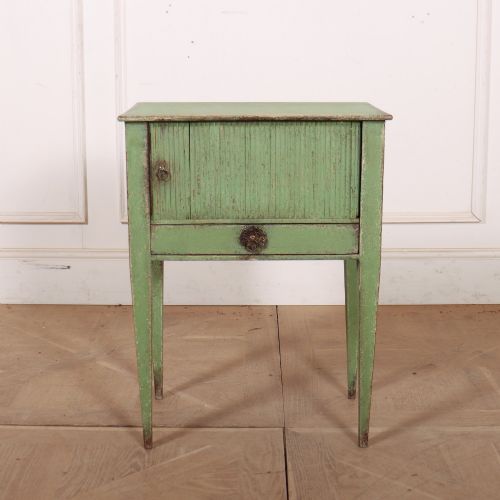
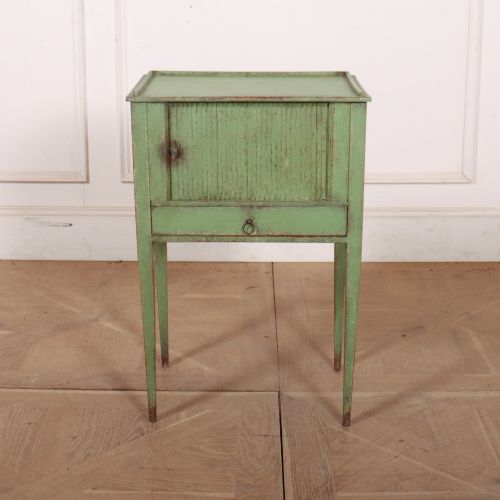
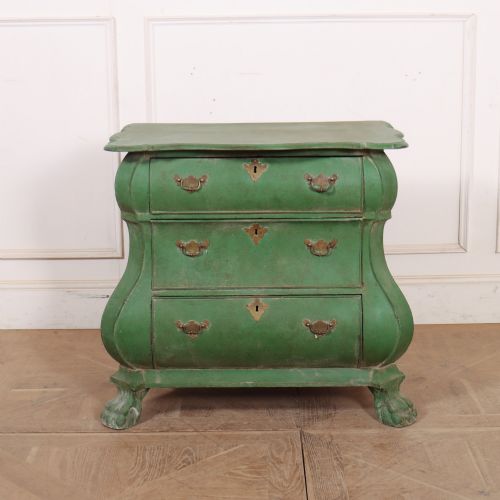
Structural forms frequently employ curvaceous bombé shaping, requiring skilled woodworking to achieve swelling drawer fronts and side panels. Hand-painted finishes on pine and other woods appear regularly, alongside brass hardware and glazed display sections.
Periods range from the eighteenth century through the Victorian era to the 1930s.
What Varies in Quality
The refinement of the marquetry inlay distinguishes standard work from exceptional pieces, particularly in the precision of floral motifs and the choice of contrasting timbers. Crisp definition in carved elements and the depth of the timber's grain play a major role in overall visual appeal.
Construction methods and timber selection determine structural integrity, with superior examples exhibiting well-matched veneers and stable carcases. The preservation of original painted surfaces or the richness of the polished patina directly influences the character of each piece.
S&H Jewell·Harrods
The Vintage Dutch Furniture Glossary
- Bombe
- A swelling, outward-curving profile characteristic of commodes and cupboards from this regional tradition. This bulging contour requires advanced woodworking techniques.
- Marquetry
- Decorative veneer work forming intricate pictures or floral patterns using various coloured woods. Craftsmen carefully cut and fit these thin wood pieces together.
- Torchere
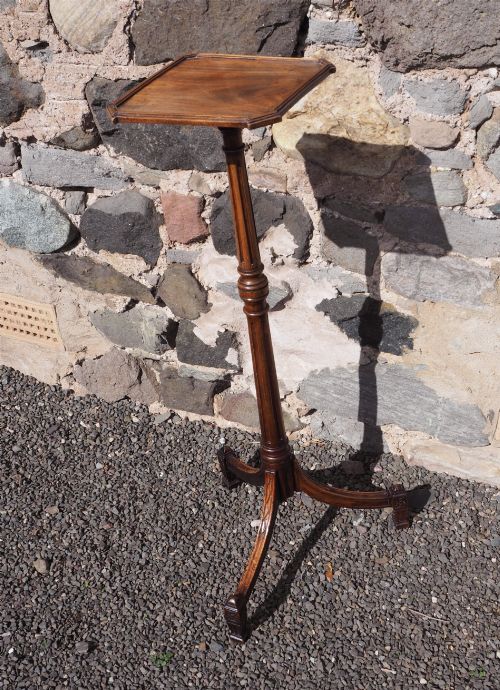
- A tall, slender stand designed to support a lamp or candle. These decorative supports often feature turned wooden columns or classical pedestals.
- Vitrine
- A glass-fronted cabinet used for displaying porcelain, silver or curiosities. Glazed doors and sides allow light to enter the interior shelving.
- Bureau
- A writing desk featuring a sloping fall-front that opens to reveal pigeonholes and small drawers. Interiors often conceal secret compartments.
Vintage Dutch Furniture: Frequently Asked Questions
What is a bombe commode?
A bombe commode is a chest of drawers defined by its swelling, convex front and sides. This distinctive profile requires advanced cabinetmaking skill to execute.
These pieces served as prominent storage furniture in domestic interiors, offering generous capacity while providing a strong visual statement.
How do I care for walnut veneer?
Walnut veneer requires protection from direct sunlight and excessive humidity to prevent warping and fading. Regular dusting with a soft cloth maintains the polished surface.
Avoid placing these items near direct heat sources, and apply suitable wax polish sparingly to nourish the timber grain over time.
Where were torcheres used?
Torcheres functioned as elevated stands for holding lighting devices such as candles or oil lamps in period rooms. Their tall proportions allowed them to illuminate specific corners.
Today, these stands frequently support modern table lamps, plant pots or decorative objects within living spaces.