



Vintage Dutch Display Cupboard
A vintage dutch display cupboard brings serious storage and centuries of craftsmanship to a room.
Vintage Dutch Display Cupboard
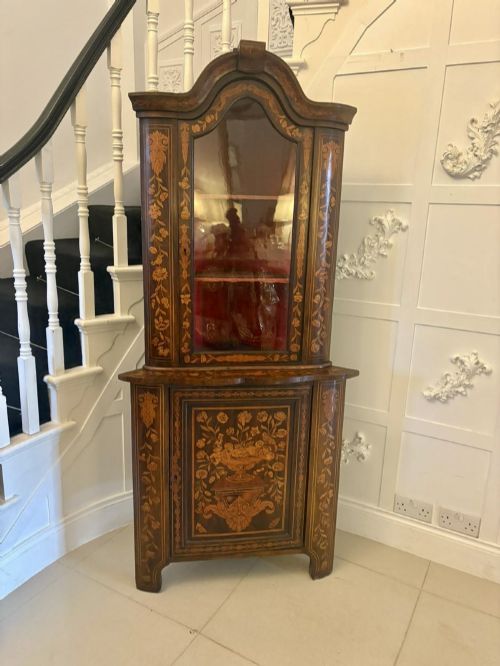
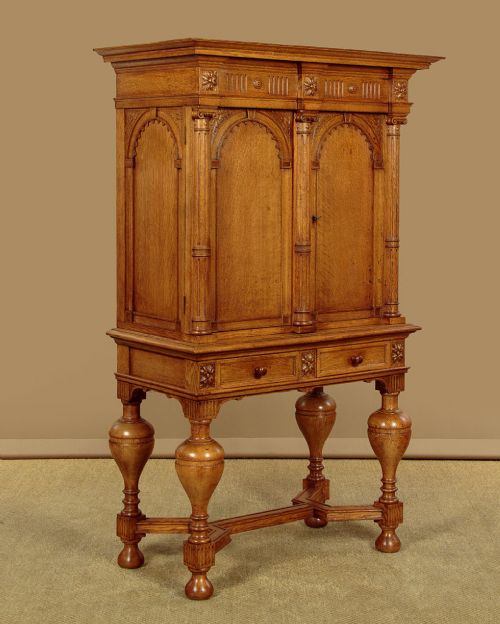
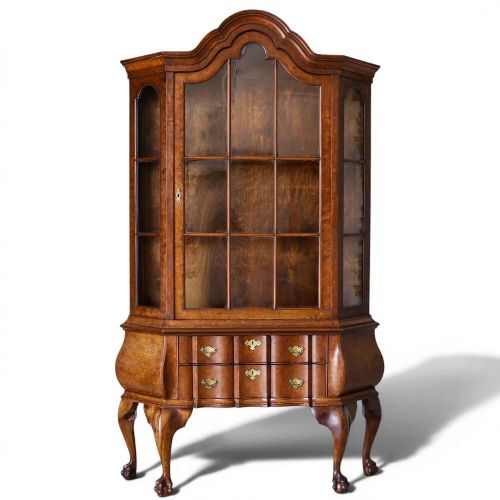
When you search for a vintage dutch display cupboard, you are looking at substantial timber furniture designed to showcase and protect prized possessions. These pieces range from corner cabinets and cabinets on stand to grand glazed vitrines and bookcases.
The versions you are most likely to meet on this page span several distinct periods, including the eighteenth century, the nineteenth century, and the early twentieth century. Styles vary from traditional Dutch Baroque and Rococo to later Renaissance revivals.
Makers utilised rich timbers and careful glazing to create functional focal points for domestic interiors. Each format offers a specific silhouette, whether you need a corner unit to maximise space or a bombe cupboard with curved proportions.
How they were made
Cabinetmakers constructed these pieces using solid woods and detailed veneers, selecting oak, walnut, fruitwood, and satinwood for their grain and durability. Painted finishes and intricate marquetry inlay frequently embellished the timber surfaces.
Glazing framed the upper sections to display contents safely, while brass hardware provided functional closure and decorative contrast. Fabric linings occasionally added texture to the interior display areas.
Vintage Dutch Display Cupboard Retail Price Guide 2026
Typical asking prices for vintage dutch display cupboard among the pieces listed under this phrase on Sellingantiques today, from the lower quarter to the upper quarter. They describe what is for sale here now, not the wider market.
Current listings feature pieces spanning the eighteenth century to nineteen thirty, constructed from walnut, oak, fruitwood, and satinwood.
What varies in quality
The standard of a vintage dutch display cupboard rests on the ambition of its design and the precision of its timber work. Pieces featuring complex marquetry inlay or Bombe curves demand a higher level of joinery skill than plain panelled versions.
The selection of cabinet woods also dictates the visual depth of the piece, with figured walnut and richly patinated fruitwood sitting above standard painted timber. Original glass panels and well-preserved brass mounts elevate the integrity of the entire cabinet.
The Vintage Dutch Display Cupboard Glossary
- Vitrine
- A glass-fronted cabinet designed specifically for displaying porcelain, curiosities, or books. This term often describes tall freestanding display pieces.
- Bombe
- A bulging, outward-curving profile found on the lower sections of certain cupboards. This sweeping shape requires advanced woodworking skill.
- Marquetry
- The art of applying small pieces of veneer to form decorative patterns and pictorial scenes. Craftsmen used contrasting woods to achieve tonal depth.
- Corner Cabinet
- A specialised storage piece built with an angled back to fit neatly into the corner of a room. These units make efficient use of difficult architectural spaces.
Vintage Dutch Display Cupboard: Frequently Asked Questions
What periods do these cabinets come from?
The pieces span several centuries, originating from the eighteenth century through to the early decades of the twentieth century. You will encounter styles ranging from early Baroque forms to later revival pieces.
Cabinetmakers across these different eras maintained traditional Dutch construction methods while adapting decorative details to contemporary tastes.
How do I choose the right cabinet style?
Consider the available floor space and the objects you plan to place inside the cabinet. Corner units suit smaller rooms, whereas large glazed vitrines demand more visual prominence.
Think about whether you prefer the rich grain of walnut and fruitwood or the decorative impact of painted finishes and marquetry.
How were these cupboards used historically?
Wealthy households utilised these pieces to display valuable ceramics, glassware, and books protected from dust and damage. The glazed upper sections allowed guests to admire collections without handling them.
Lower enclosed cupboards provided practical storage for household linens and heavier items.
Are these cabinets difficult to maintain?
Routine upkeep involves dusting timber surfaces with a soft cloth and occasionally feeding the wood with appropriate wax. Direct sunlight should be avoided to protect the veneers and painted finishes.
Checking brass hardware and door alignment periodically helps keep the cabinet functioning smoothly.