

Vintage Drinking Cup
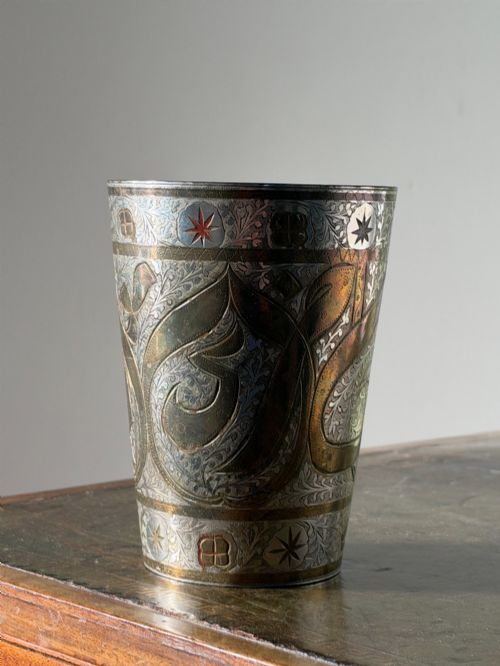
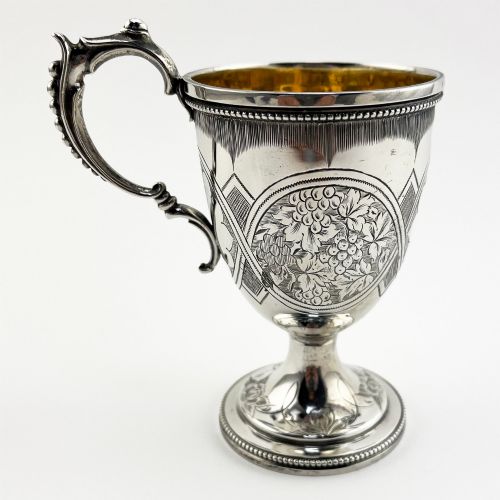
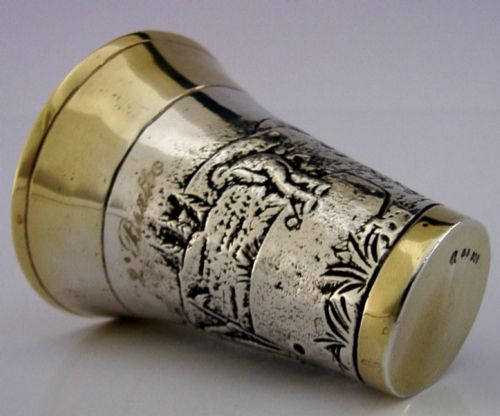
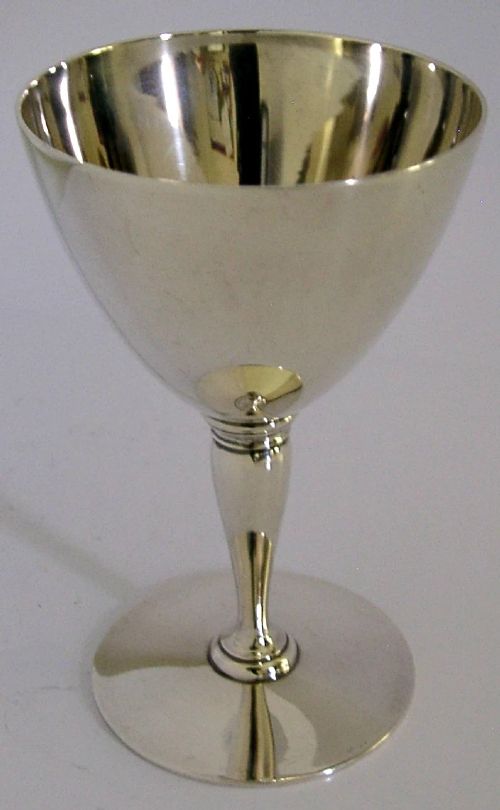
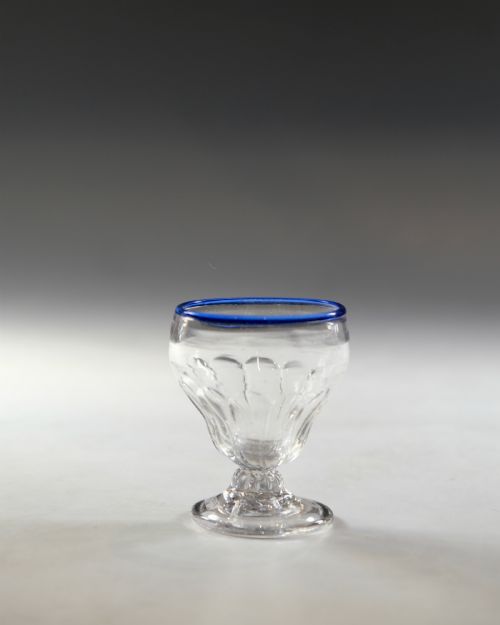
A vintage drinking cup spans sturdy silver tankards, glass roemers and timber treen pedestals gathered for daily use or quiet display.
Vintage Drinking Cup
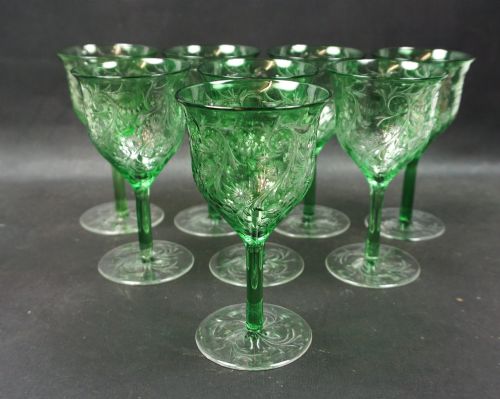
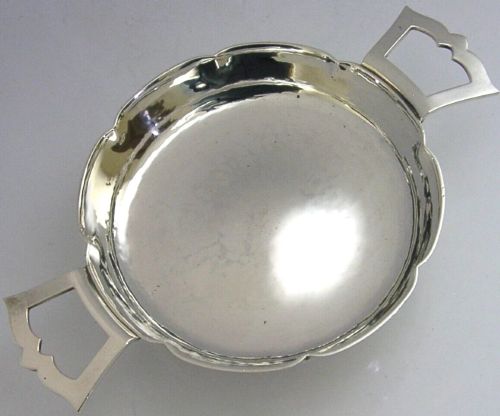
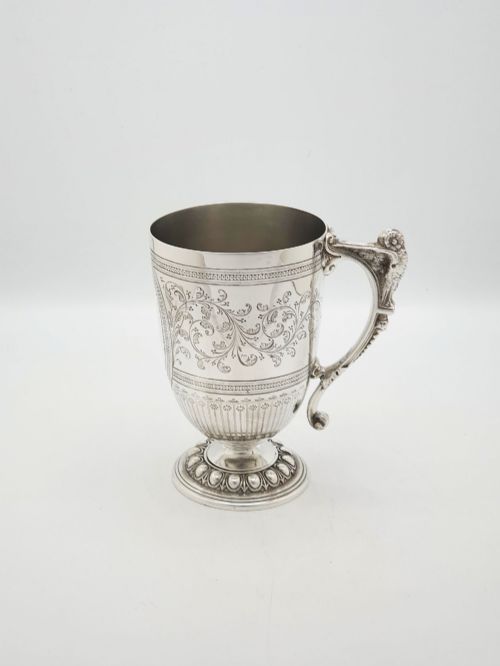
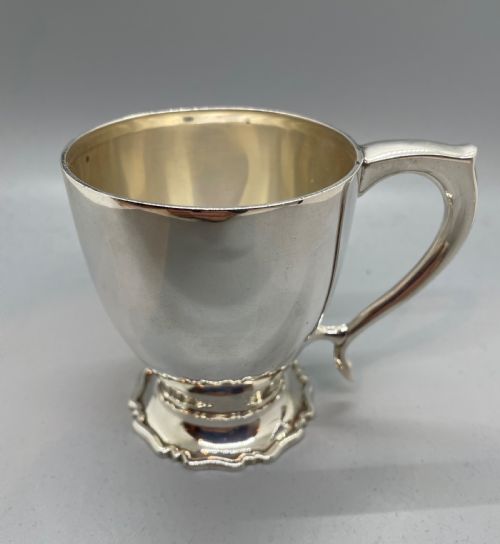
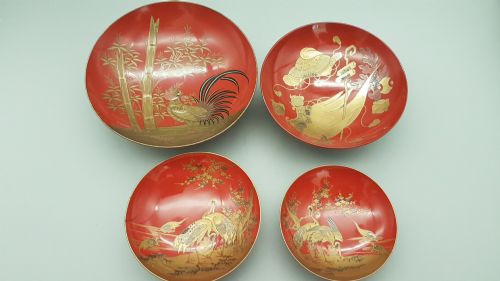
When you search for a vintage drinking cup, you encounter a wide array of drinking vessels ranging from Georgian silver tankards and Victorian christening mugs to Art Deco travel beakers and Japanese lacquer sake cups. The selection includes specific forms such as Scottish quaiches, stirrup cups, hip flasks with removable vessels, and wine glasses in Bristol green, amethyst, and Murano blue.
The pieces on this page draw from periods spanning the eighteenth, nineteenth, and twentieth centuries, encompassing Georgian, Victorian, Edwardian, Art Deco, and Mid-Century aesthetics. You find sturdy barware and delicate glassware sitting alongside treen pedestal goblets and pearlware loving cups.
Mugs and tankards appear frequently alongside glass barware and smaller spirit vessels, reflecting domestic habits and social rituals across different decades. These items cross multiple material boundaries, moving from sterling silver and silver plate to glass, wood, leather, and lacquer.
Materials and construction methods
Silversmiths constructed many of these drinking vessels using solid sterling silver or silver plate, applying techniques like planishing to shape the metal bodies of quaiches and mugs. Makers also worked with lead glass, frosted crystal, and coloured glass to produce wine glasses, bonnet glasses, and roemers.
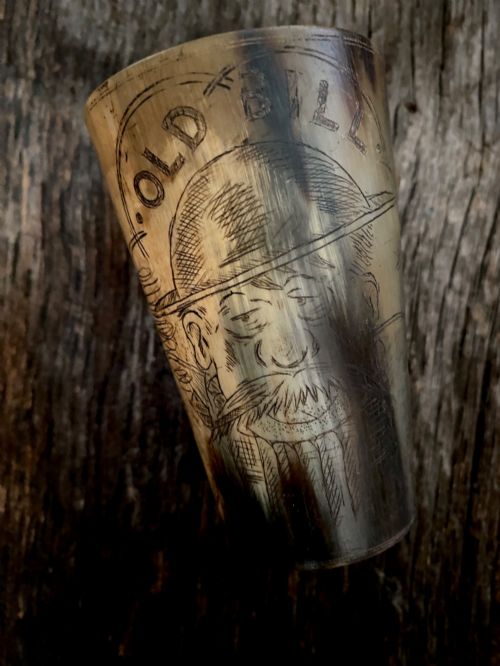
Organic materials play a substantial role, with craftsmen turning wood into lignum vitae treen goblets and stitching leather to form protective carry cases for travel beakers and spirit sets. Japanese artisans applied lacquer to sets of sake cups, while ceramic workers shaped pearlware for hand-painted loving cups.
Vintage Drinking Cup Retail Price Guide 2026
Typical asking prices for vintage drinking cup among the pieces listed under this phrase on Sellingantiques today, from the lower quarter to the upper quarter. They describe what is for sale here now, not the wider market.
Indicators of standard and execution
The calibre of a piece rests upon the crispness of its hallmarks, the weight of the metal, and the precision of the hand-raised or planished surfaces. Solid sterling silver items with substantial gram weights sit at a different level from plated wares or lighter stamped vessels.
Glassware quality reveals itself in the depth of the colour, such as Bristol green or amethyst, and the symmetry of the vessel. Treen and leather components show differentiation through the grain of the timber and the neatness of the stitching on fitted cases.
BROOK & SON·R E STONE·Barker Bros·James Dixon & Sons·Salviati·Elkington
The Vintage Drinking Cup Glossary
- Quaich
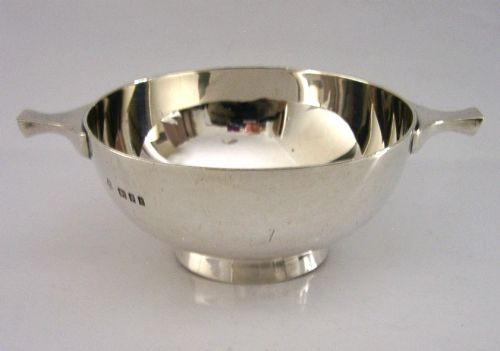
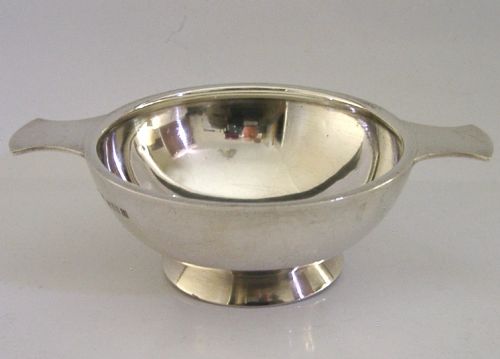
- A traditional Scottish two-handled drinking vessel used for spirits. These shallow bowls often feature flat handles known as lugs.
- Treen
- Small handmade wooden objects of domestic use. Pieces like pedestal goblets utilise dense timbers such as lignum vitae.
- Roemer
- A traditional continental European wine glass featuring a large bowl set on a ribbed or studded stem. They frequently appear in coloured lead glass.
- Stirrup cup
- A mounted drinking cup traditionally handed to a rider before a hunt. These vessels often take animal forms or feature detachable parts.
- Pearlware
- A fine earthenware developed in the eighteenth century. It possesses a pale bluish glaze that sits over a white body.
Vintage Drinking Cup: Frequently Asked Questions
What is a quaich used for?
A quaich functions as a traditional drinking vessel, principally for whisky, featuring two flat handles on opposite sides.
Historically associated with Scotland, these shallow cups pass around a company for toasts and welcomes.
How do I identify a Victorian silver mug?
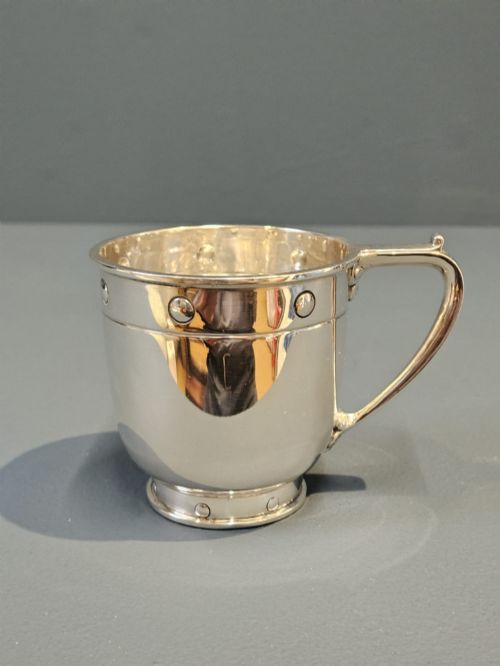
Victorian silver mugs carry hallmarks that indicate the assay office, the date letter, and the maker's mark. These details reveal the exact year of production during the nineteenth century.
Stylistic cues such as repoussé floral decoration or clean planished panels help differentiate these pieces from later twentieth-century barware.
How were travel beakers carried?
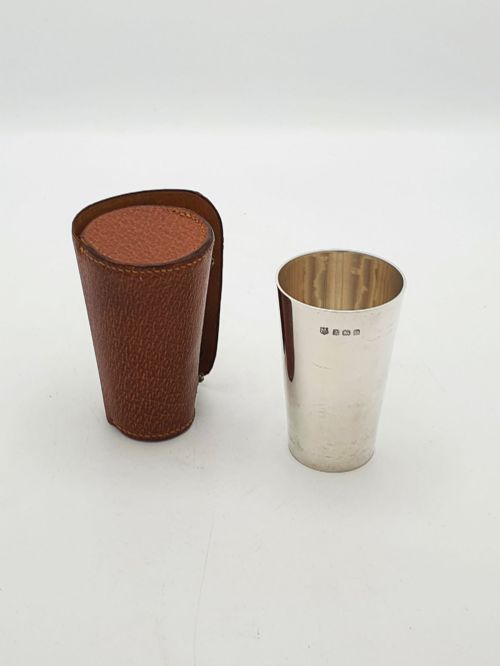
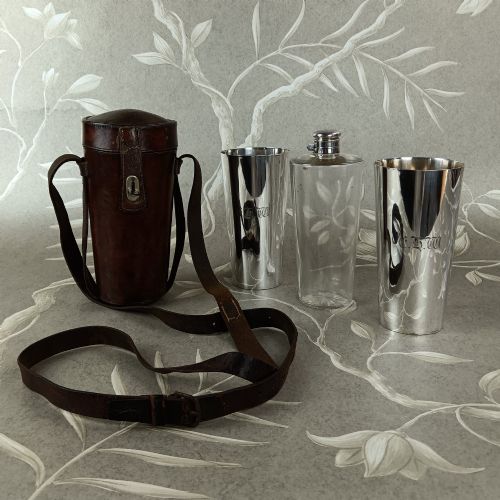
Travel beakers often fit snugly inside fitted leather carry cases designed to protect the metal body during transit. These sets belong to nineteenth and twentieth-century barware.
The nesting design allowed travellers to carry spirits securely on journeys.