





Vintage Dressing Cabinet
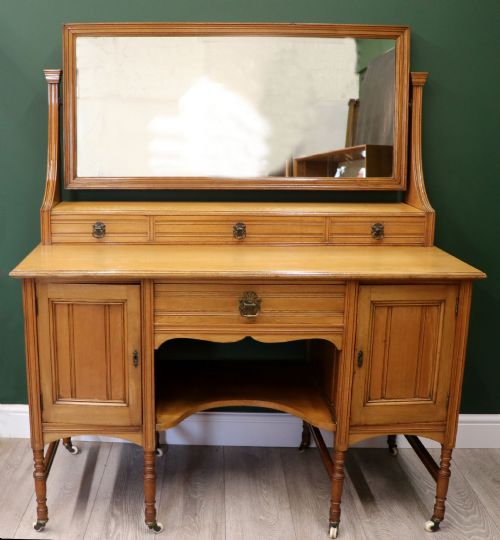
A vintage dressing cabinet offers concealed storage and fitted mirrors for personal grooming, spanning styles from Victorian walnut to 1930s oak.
Vintage Dressing Cabinet
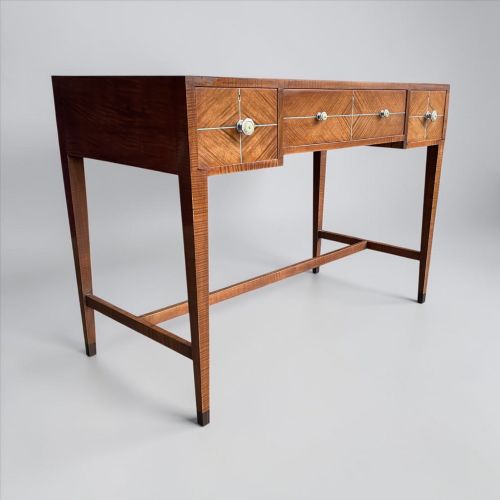
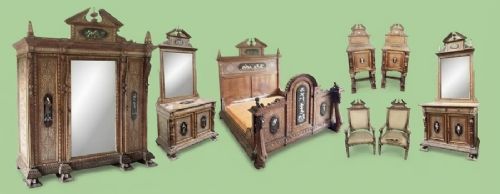
A vintage dressing cabinet encompasses a diverse group of personal grooming furniture, appearing most frequently in Victorian, Edwardian and Georgian forms on this page.
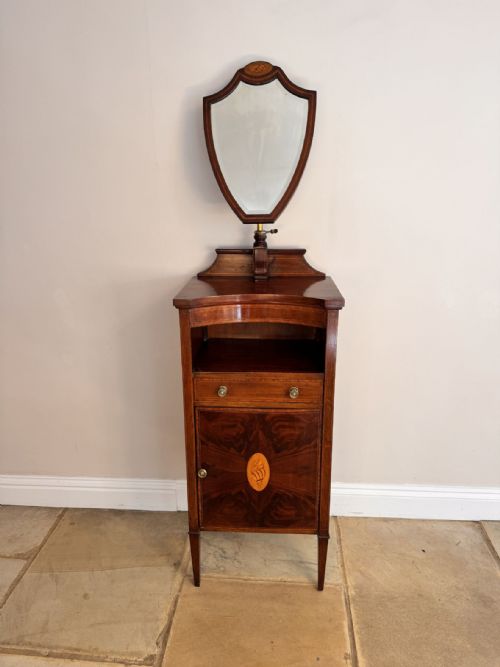
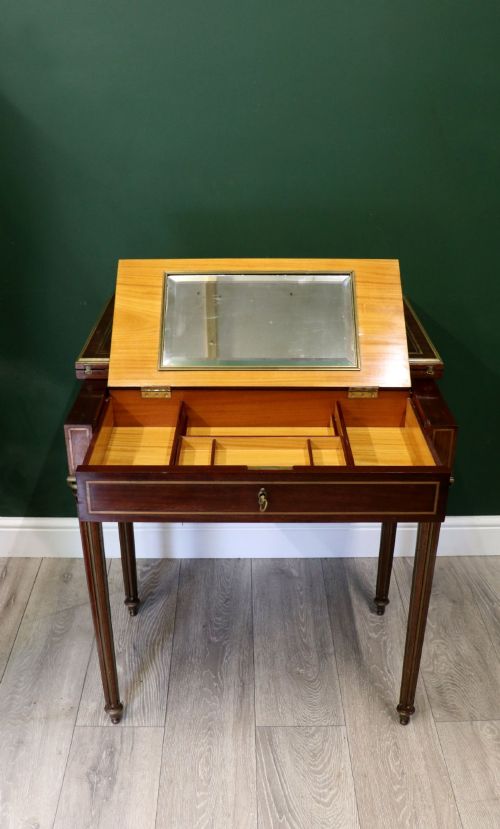
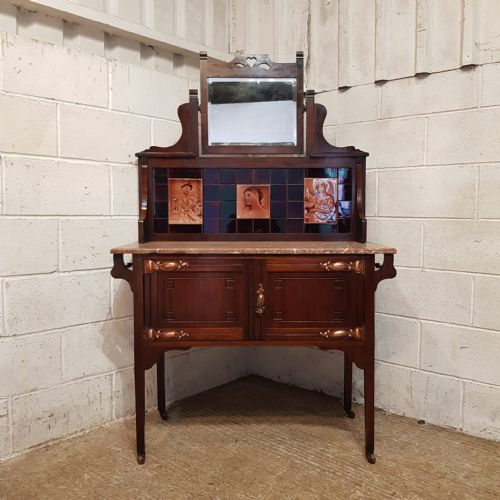
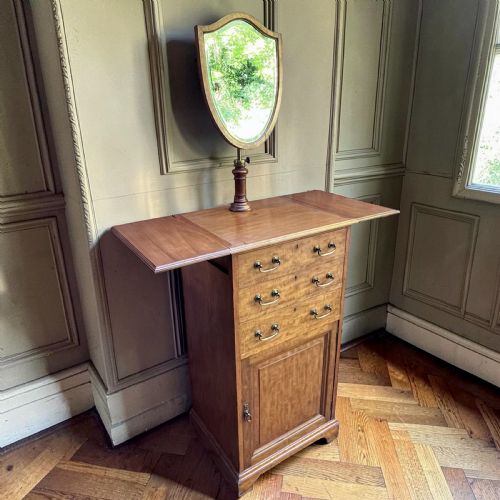
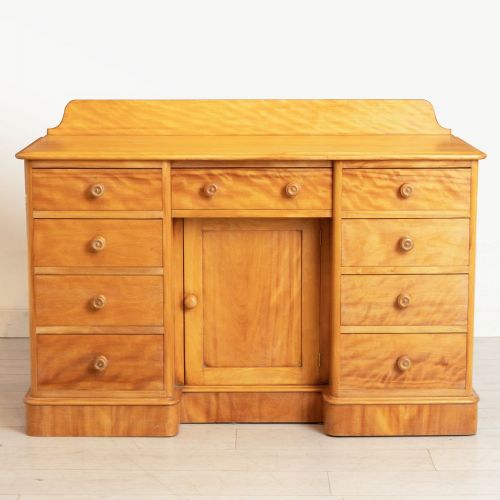
Buyers seeking a vintage dressing cabinet encounter related utilitarian pieces such as washstands, gentleman's shaving stands, lowboys and dressing chests alongside fitted tables.
The selection ranges from early eighteenth-century walnut lowboys to twentieth-century oak bedroom furniture, reflecting shifts in domestic routines across multiple centuries.
What varies in quality
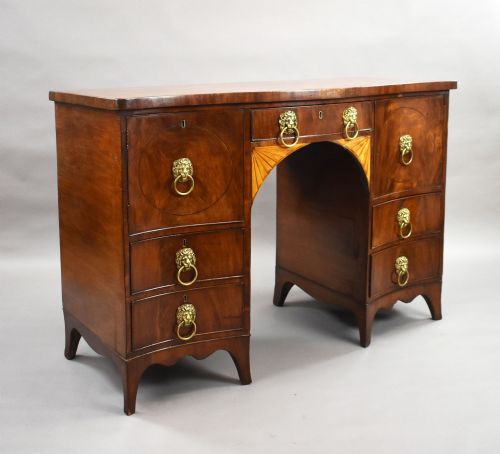
The degree of craftsmanship shows in the selection of timber veneers, the precision of marquetry inlay and the retention of original brass mounts.
Maker attribution elevates certain examples, particularly pieces bearing the marks of established firms like Harrods, Waring & Gillows or Edwards & Roberts.
Vintage Dressing Cabinet Retail Price Guide 2026
Typical asking prices for vintage dressing cabinet among the pieces listed under this phrase on Sellingantiques today, from the lower quarter to the upper quarter. They describe what is for sale here now, not the wider market.
Several pieces include dedicated shaving cupboards and tiny trinket boxes designed to keep nineteenth-century gentlemen and ladies properly organised.
Harrods·Waring & Gillows·Bath Cabinet Makers·Edwards & Roberts·James Shoolbred
The Vintage Dressing Cabinet Glossary
- Lowboy
- A small oak or walnut table with drawers, commonly used as a dressing table in the eighteenth century. It typically stands on four cabriole legs.
- Washstand
- A piece designed to hold a basin and jug for personal washing, often topped with marble or fitted with a tile splashback. Many examples date from the Victorian and Edwardian eras.
- Shaving stand
- A specialist cabinet incorporating a mirror and surface space for shaving paraphernalia. These items date primarily from the Victorian and Edwardian periods.
- Marquetry
- The art of applying pieces of veneer to a structure to form decorative patterns. Dutch and Victorian makers utilised this technique extensively on dressing furniture.
- Gentleman's chest
- A multifunctional storage piece containing compartments for clothing and grooming items. Examples often feature internal mirrors and specialised drawer configurations.
Vintage Dressing Cabinet: Frequently Asked Questions
What is a gentleman's dressing chest?
A gentleman's dressing chest is a compact storage unit designed for men's personal attire and grooming accessories. These pieces frequently incorporate internal mirrors and compartmentalised drawers.
They emerged strongly during the Victorian and Edwardian eras to consolidate daily washing and dressing requirements into one item of furniture.
What distinguishes a lowboy from a dressing table?
A lowboy is a small, low-slung table with one or more tiers of drawers, originating in the early eighteenth century as a dressing or side table. They generally feature elegant cabriole legs.
Larger dressing tables developed later, frequently incorporating attached or adjustable mirrors and more complex drawer arrangements.
Where were these cabinets placed?
These cabinets belonged in bedrooms, dressing rooms or private chambers where personal grooming took place. Their configurations suited domestic routines centred around washing and dressing.
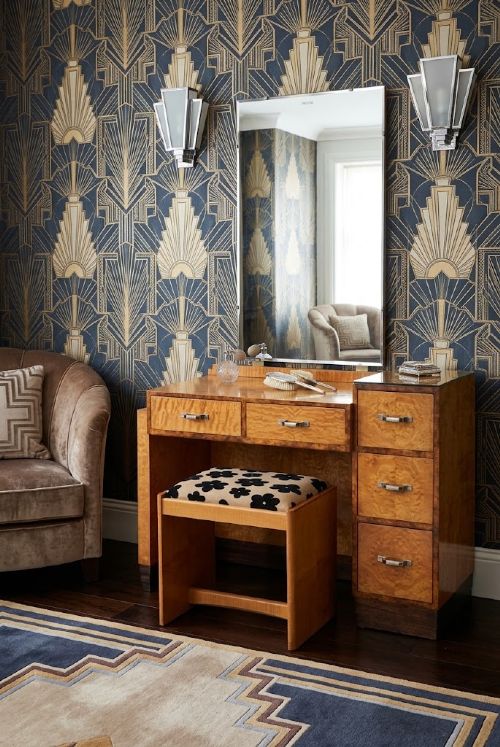
Today, they integrate into modern bedrooms as functional dressing tables or into hallways as decorative side pieces.