

Vintage Dresser Hutch
These vintage dresser hutch pieces are practical storage furniture built for display and utility, bringing historic character into modern homes.
Vintage Dresser Hutch
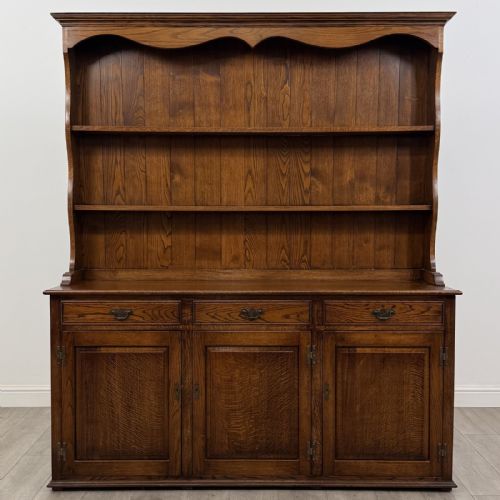
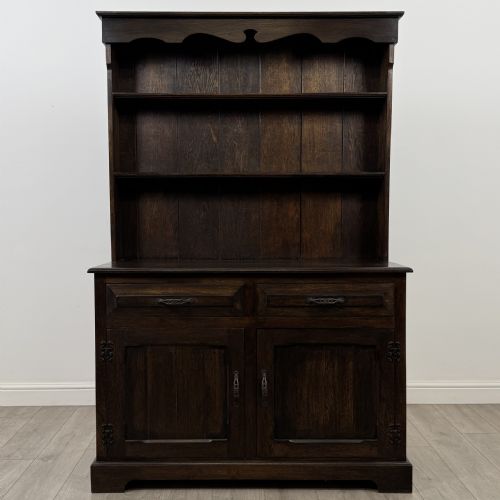
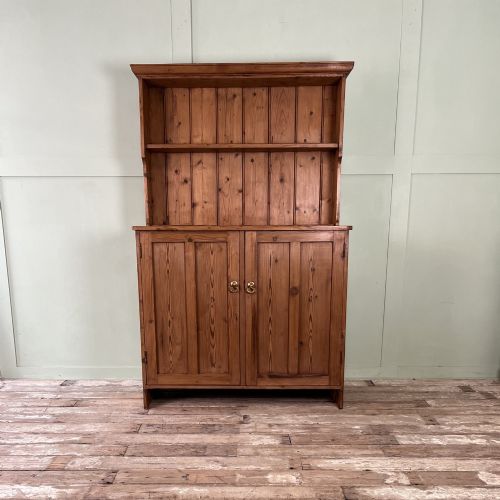
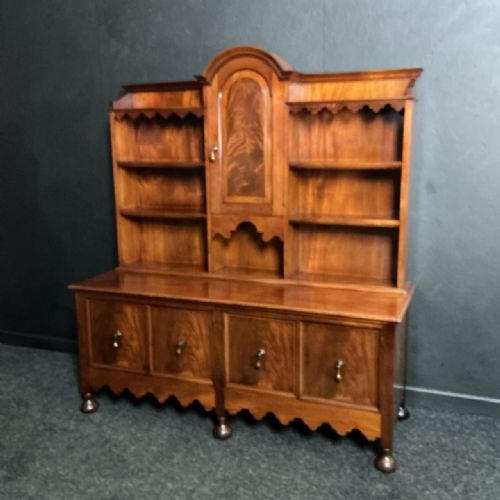
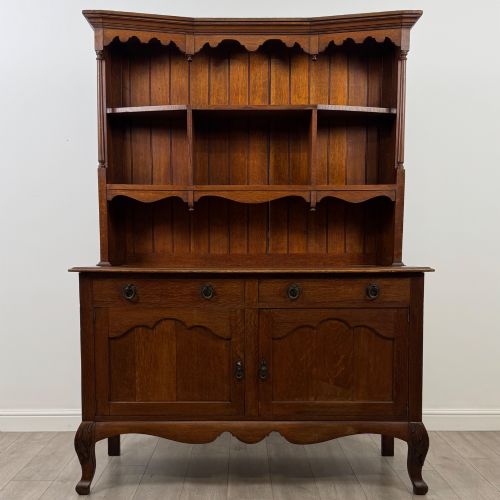
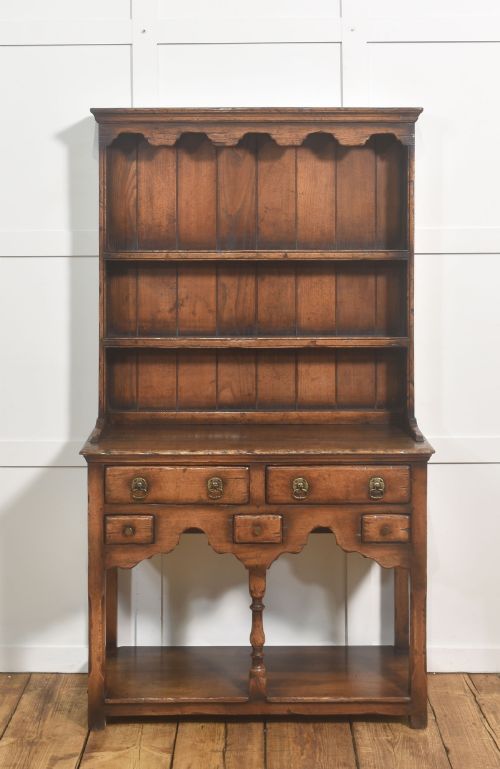
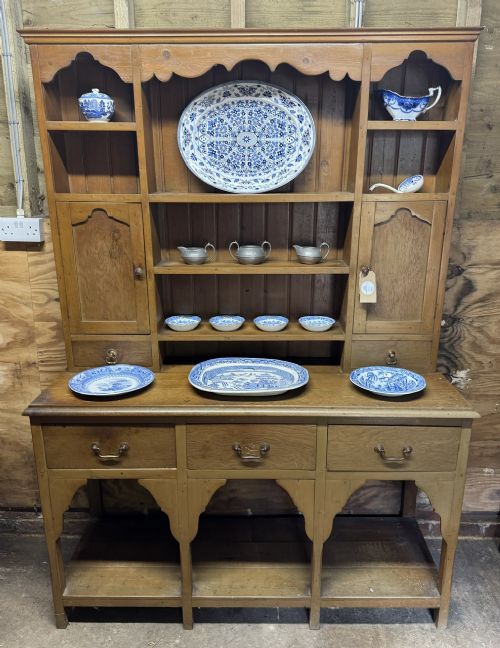
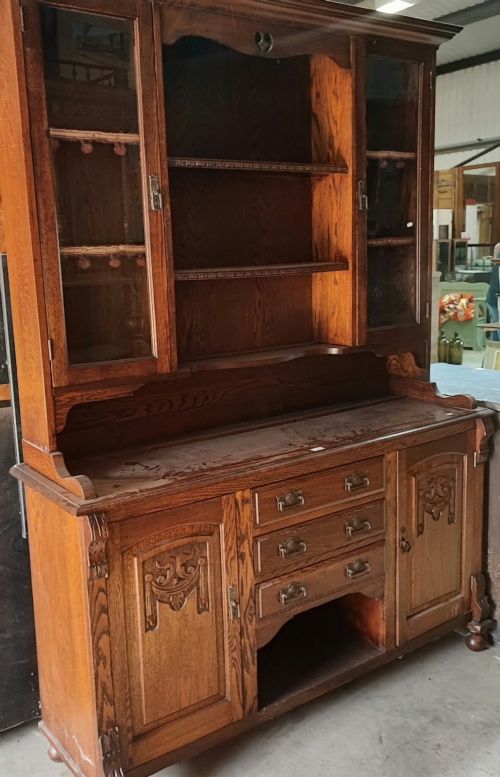
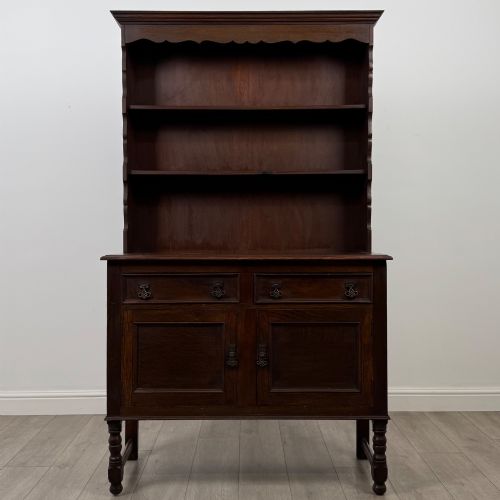
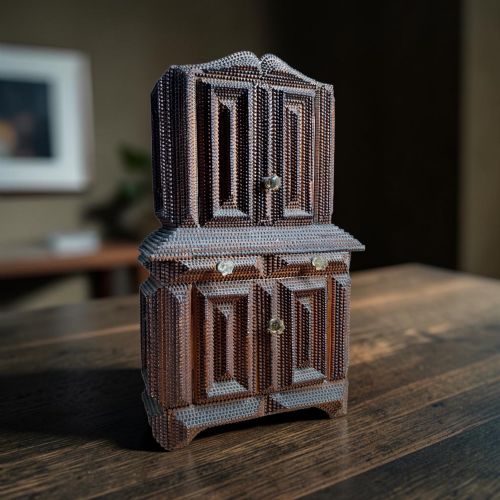
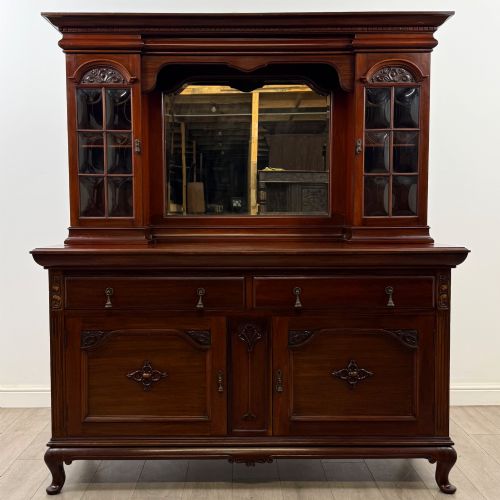
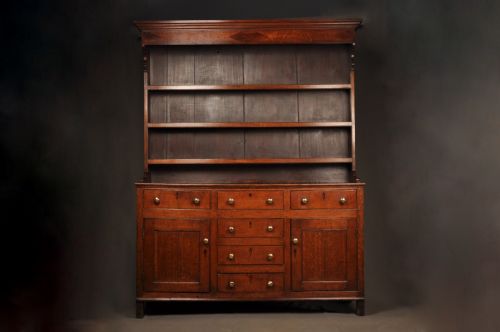
When searching for a vintage dresser hutch, buyers encounter functional furniture combining a base cabinet with upper display shelving or enclosed cupboards. Oak and pine dominate the selection, spanning periods from the 18th century through the early 20th century.
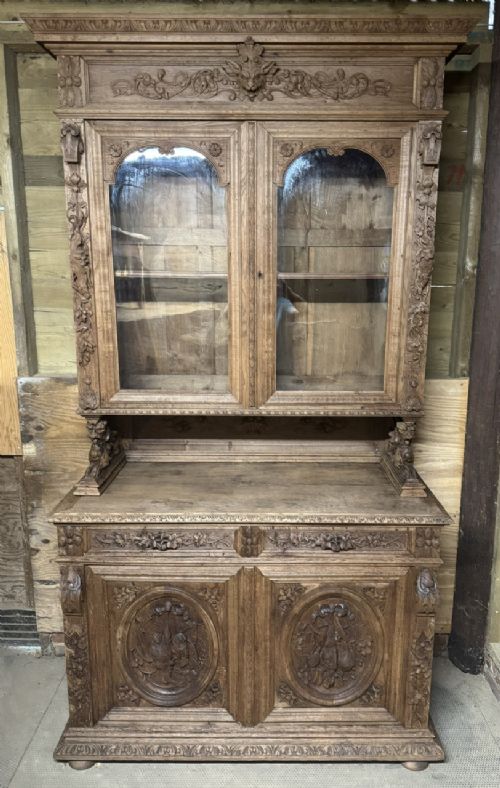
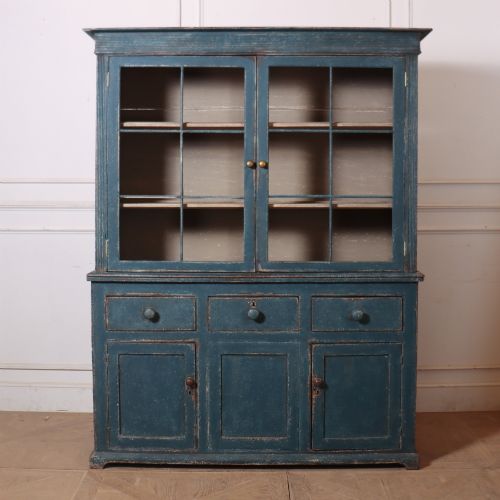
The most frequent variations on this page include open plate racks above timber cupboards, alongside glazed display cabinets and Welsh dresser formats. Regional styles range from English country and rustic farmhouse pieces to Edwardian and Victorian designs.
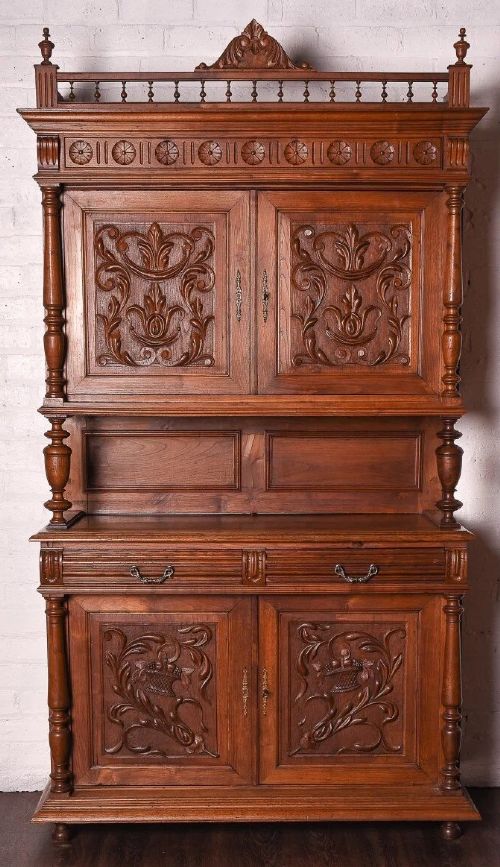
These items served historically to store and exhibit kitchenware, china, and provisions in domestic settings. The pieces vary from straightforward utilitarian pine cupboards to heavily carved oak display furniture.
Materials and construction methods
Makers utilised solid timbers such as oak, pine, mahogany, and walnut to construct these pieces. Carpenters joined panels using traditional methods, often incorporating turned legs, carved ornamentation, and pegged joints on earlier examples.
Many items feature fitted plate racks, glazed glass doors, or metal hardware in brass and iron. Surfaces range from scrubbed or waxed natural wood to original painted finishes and bleached treatments.
Some nineteenth-century French cabinet makers apparently hid small secret compartments behind the panelling for storing precious hunting flasks.
Evaluating build and character
Quality in these items rests upon the integrity of the timber, the depth of the original patina, and the execution of any carved details. Heavier oak constructions from earlier centuries contrast with lighter Edwardian and pine utility pieces.
The presence of untouched original surfaces, regional characteristics, and integrated plate racks elevates certain pieces above standard utilitarian storage. Construction robustness and the harmony of the upper rack to the lower base define the best examples.
Heals of London
The Vintage Dresser Hutch Glossary
- Welsh dresser
- A traditional kitchen furniture piece featuring a lower base of drawers and cupboards surmounted by open shelves for displaying plates.
- Plate rack
- The upper shelving component of a dresser designed specifically to display ceramic plates upright.
- Patina
- The surface sheen and colour acquired by timber through age, handling, and regular waxing over decades.
- Breakfront
- A piece of furniture featuring a central section that projects forward from the flanking cabinets.
- Glazed cabinet
- A storage unit with glass-panelled doors that allows visibility of the interior contents.
Vintage Dresser Hutch: Frequently Asked Questions
What is a vintage dresser hutch?
A vintage dresser hutch is a two-part storage unit combining a lower cupboard or drawer base with upper shelving or a glazed cabinet.
These pieces were traditionally utilised in kitchens and dining rooms to store and display tableware.
How are different periods identified?
Periods are identified through construction techniques, timber choices, and stylistic details such as heavy carvings or simpler Edwardian lines.
Earlier 18th-century pieces often feature solid oak construction and simpler country proportions, while Victorian and Edwardian examples introduce varied timbers and glazed doors.
Where were these pieces used?
These items were primarily used in domestic kitchens, pantries, and dining spaces for everyday storage and display.
Country houses and farmhouses relied on them to hold ceramics, linens, and provisions.
How do I care for wooden dressers?
Wooden dressers require regular dusting with a soft cloth and occasional application of appropriate wax to maintain the timber.
Keep them away from direct heat sources and extreme humidity fluctuations to protect the wood and finish.