
Vintage Dress Jewellery
Vintage dress jewellery brings together characterful rings, brooches and boxes spanning the Georgian period to mid-century modern design.
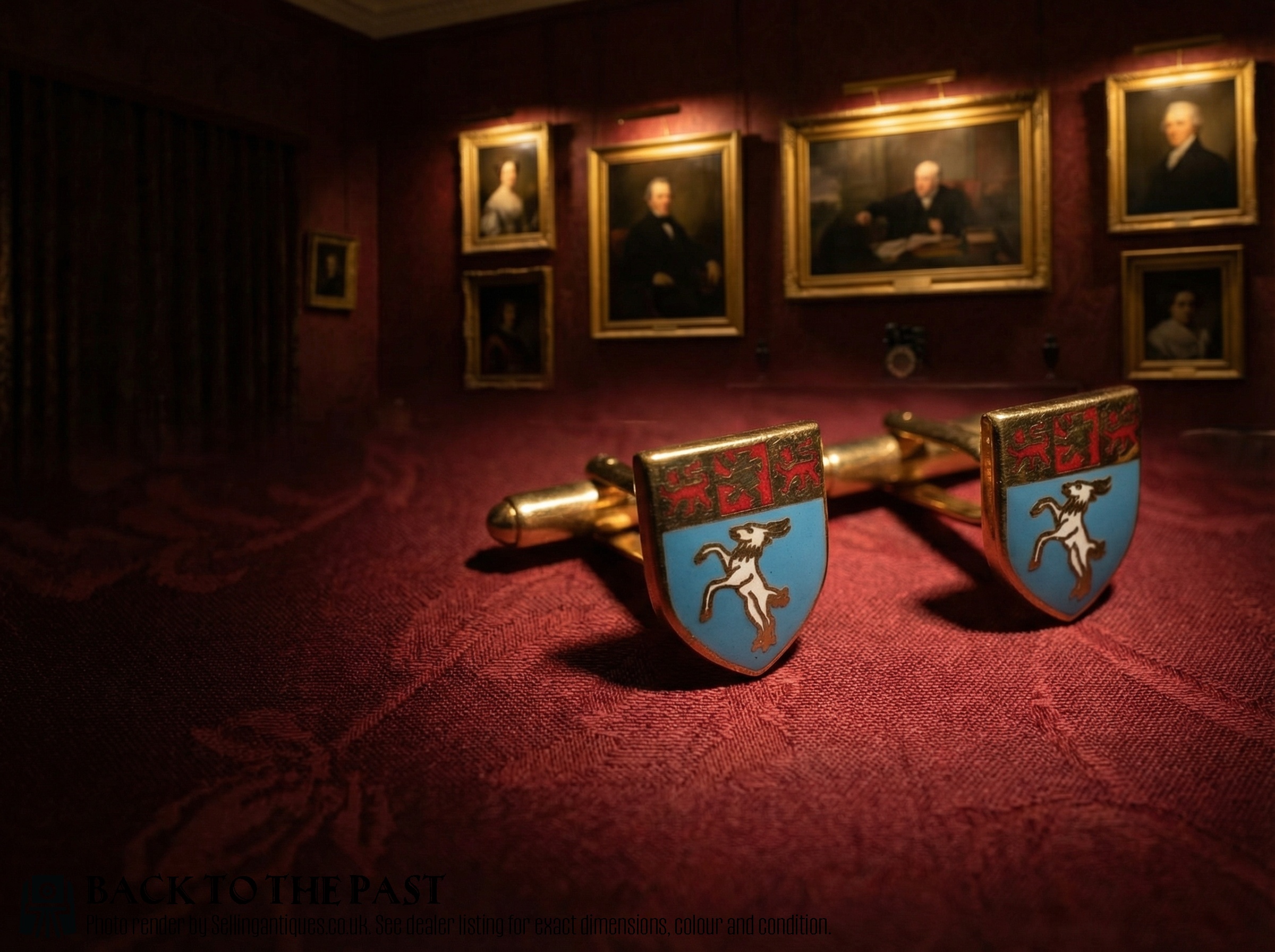
Vintage Dress Jewellery
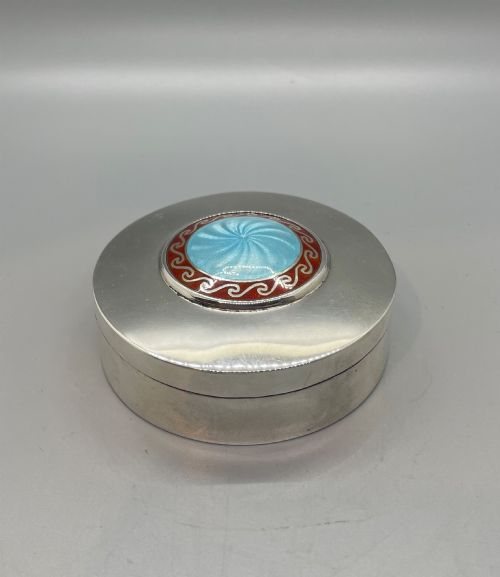
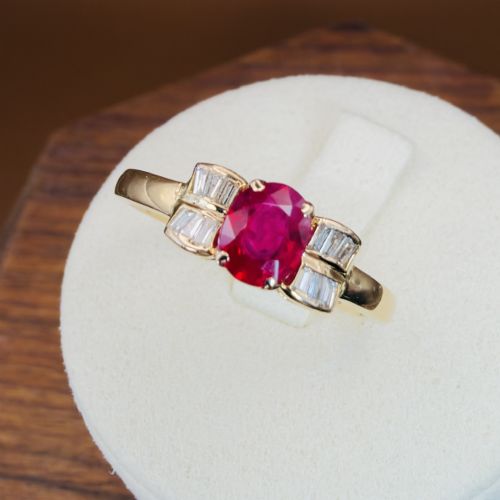
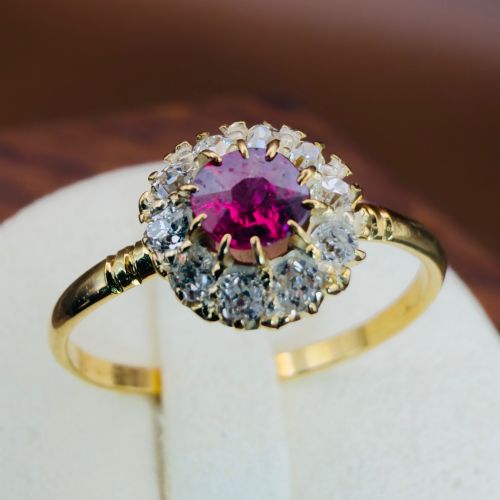
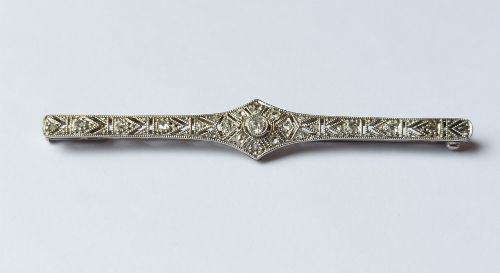
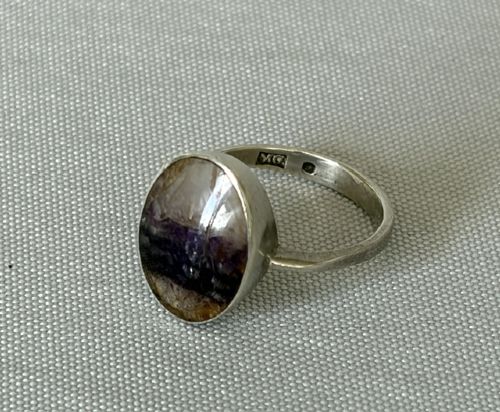
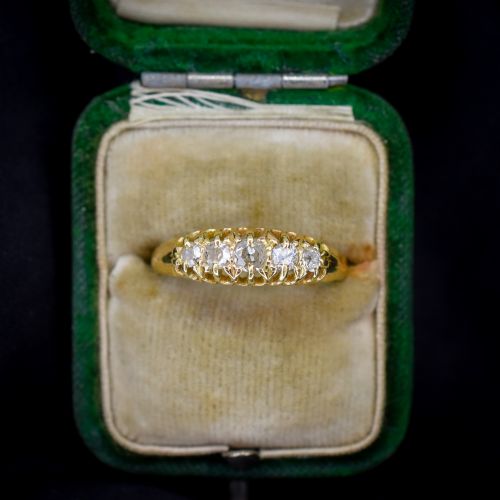
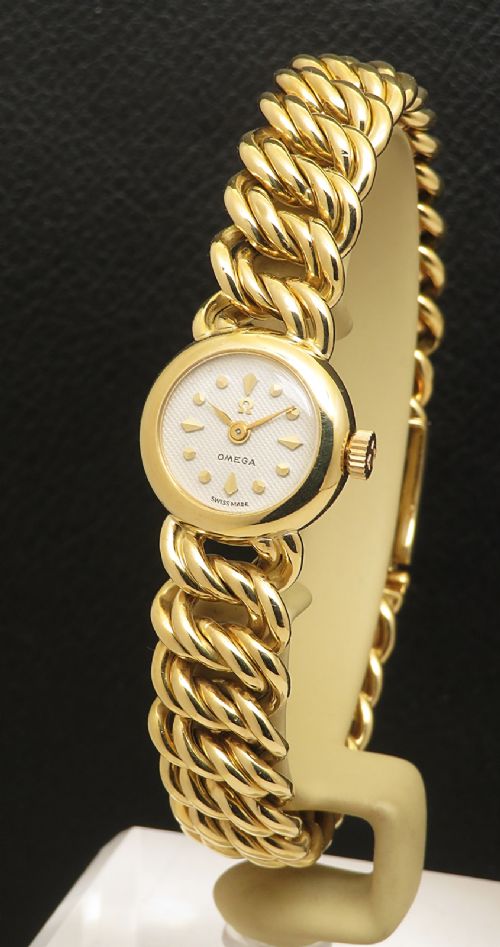
When searching for vintage dress jewellery, collectors encounter a diverse selection of rings, brooches, boxes and wristwatches spanning the Georgian era to the mid-century modern period. The selection on this page leans heavily towards rings, incorporating cluster, boat, gypsy and five stone configurations alongside decorative boxes.
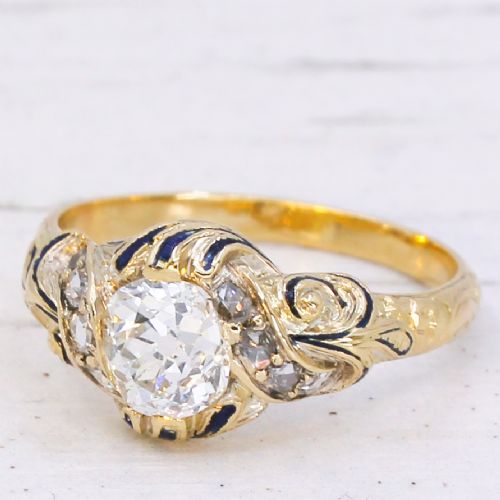
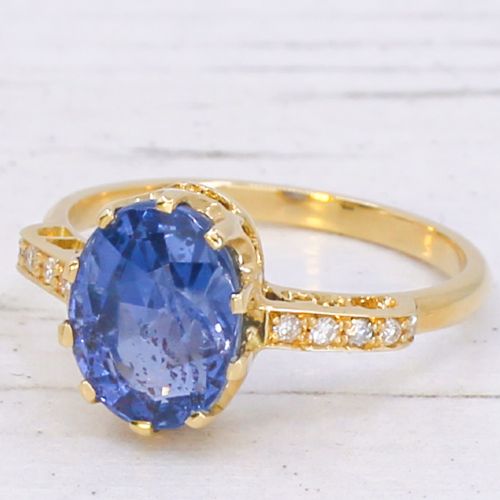
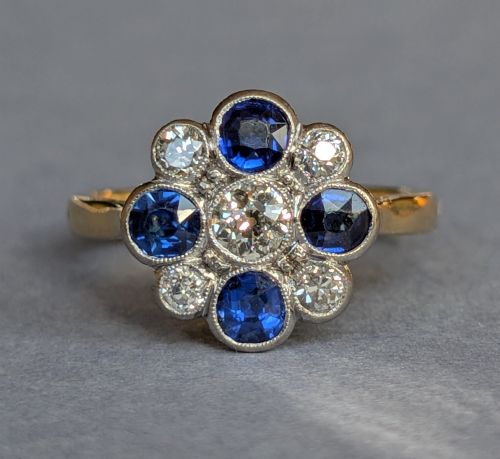
The objects derive from distinct stylistic movements including Victorian, Edwardian, Art Deco and Art Nouveau aesthetics. Pieces range from delicate pearl and paste creations to substantial sapphire and diamond cocktail rings.
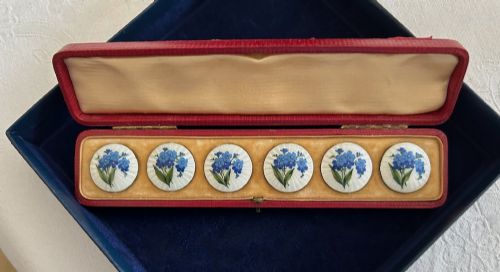
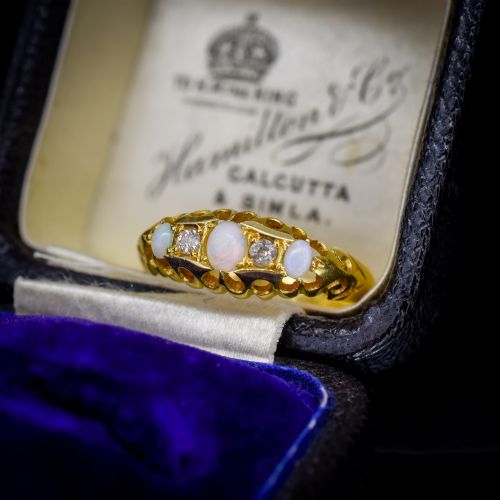
Originating across the nineteenth and twentieth centuries, these items capture changing societal tastes in ornamentation and personal accessories. Buyers find both everyday wearable rings and presentation pieces complete with original cases.
Materials and construction methods
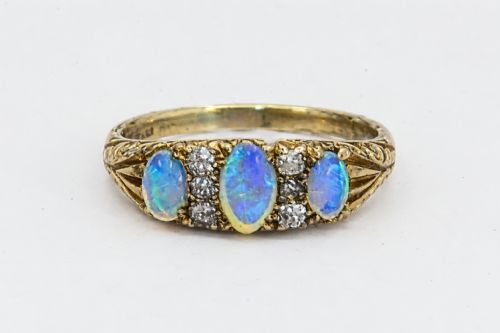
The construction relies heavily on 18ct yellow and white gold, platinum and sterling silver as primary structural metals. Artisans set diamonds, sapphires, rubies, opals and emeralds into these precious metals using traditional claw, bezel and cluster arrangements.
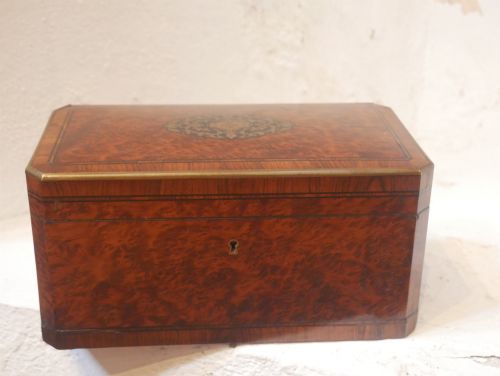
Box construction involves specialised woodworking using materials such as amboyna and croc leather paired with fitted velvet or silk linings. Metalwork techniques encompass intricate hand-cut stones, starburst engravings and structured platinum mountings characteristic of the Art Deco period.
The inventory encompasses rings, brooches, wristwatches and decorative boxes spanning the Georgian era to the mid-century period.
Factors influencing quality
Quality rests upon the selection and integrity of the central gemstones, such as unheated Ceylon sapphires and old cut diamonds. Superior pieces display meticulous stone matching and secure setting work that withstands generations of wear.
The refinement of the metalwork, from delicate Edwardian filigree to substantial gypsy mountings, dictates the overall execution. Maker attribution and the inclusion of original boxes or fitted cases elevate the standing of individual items.
Tahan Paris·J C Vickery·Kutchinsky
The Vintage Dress Jewellery Glossary
- Boat ring
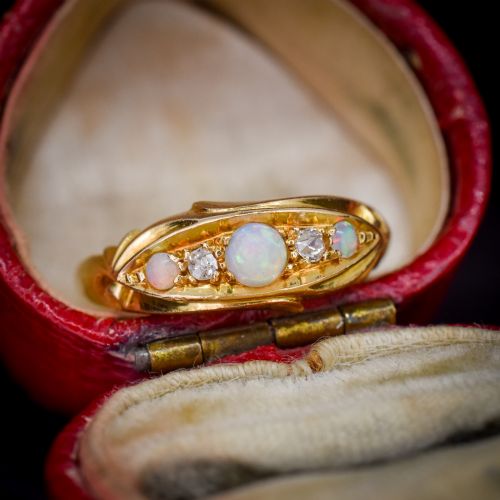
- A ring featuring a curved, boat-shaped setting traditionally populated by graduated stones and shoulders. This silhouette appears frequently in Edwardian and late nineteenth-century pieces.
- Old cut diamond
- A hand-faceted diamond cut before modern machine precision, characterised by a smaller table and high crown. These stones produce a warm, distinctive candlelit sparkle.
- Navette
- A boat-shaped or marquise-like pointed setting that elongates the appearance of the finger. This profile is typical of early twentieth-century cluster rings and brooches.
- Gypsy ring
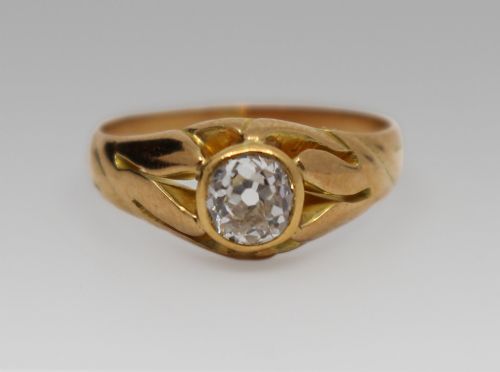
- A style where stones are flush-set directly into a heavy tapered gold band rather than held in raised claws. This design gained popularity during the Victorian era for durability.
Vintage Dress Jewellery: Frequently Asked Questions
How do I care for antique rings?
Precious stones and older settings require gentle cleaning with warm soapy water and a soft brush rather than harsh ultrasonic devices. Regular inspection by a jeweller ensures claws and settings remain secure.
Storing pieces individually in lined boxes prevents scratching between harder gemstones like diamonds and softer materials like opals or pearls.
What defines an Edwardian ring?
Edwardian rings typically employ platinum and yellow gold to create lightweight, lace-like mountings adorned with diamonds and pearls. The aesthetic emphasises elegance and botanical motifs.
Makers of this era favoured intricate openwork designs that maximised light passing through the central stones.
Are these pieces suitable for daily wear?
Many sturdy gold and platinum rings from the Victorian and mid-century periods withstand regular daily use. However, delicate configurations involving soft stones require mindful handling during physical activities.
Consulting a specialist helps determine whether a specific mounting suits an everyday lifestyle.
How can I date a piece of jewellery?
Dating relies on stylistic clues, metal types, stone cutting techniques and official hallmarks stamped inside bands or boxes. Assay office marks and maker signatures provide specific chronological anchors.
Comparing the overall silhouette against documented historical periods confirms the likely era of manufacture.