



Vintage Dress Buckle
These vintage dress buckle examples combine period metalwork and decorative enamels to fasten garments with genuine historical character.
Vintage Dress Buckle
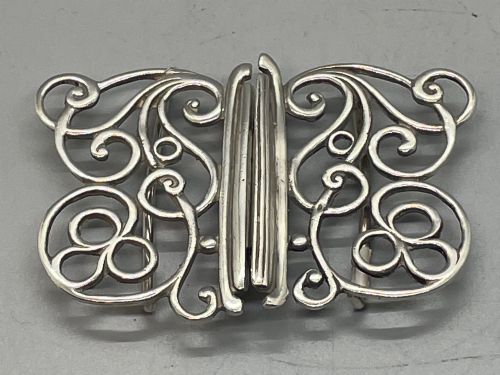
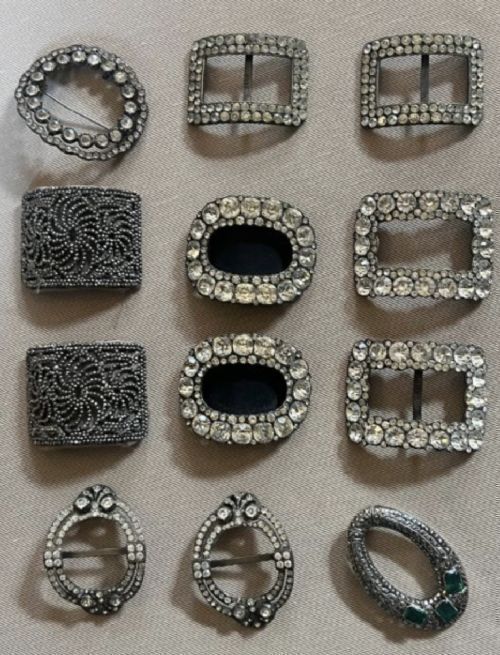
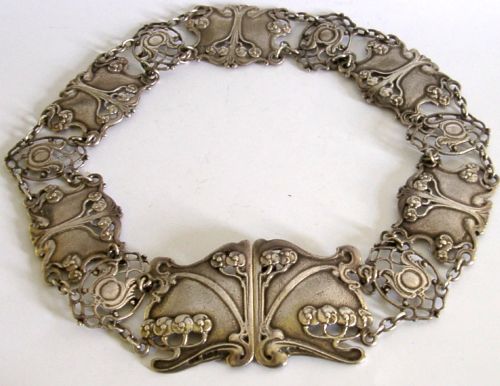
A vintage dress buckle brings together various decorative hardware pieces designed primarily for belts and shoes across past centuries. Buyers searching for a vintage dress buckle encounter forms ranging from Georgian paste shoe buckles to Edwardian sterling silver belt fasteners.
The pieces on this page span the eighteenth, nineteenth, and twentieth centuries, taking in distinct aesthetic movements from the Arts and Crafts period to Art Deco. Belt buckles and shoe buckles dominate the selection, alongside rarer crossover items such as buckle rings.
Origins stretch from British workshops to German and French makers, showing diverse cultural approaches to personal adornment. Most examples rely on substantial silver foundations paired with coloured enamels, gems, or steel filigree work.
Materials and construction methods
Makers utilised sterling silver, 900 silver, and eighteen-carat yellow gold as the primary structural metals for mounting stones and enamel. Fine metalwork often involved intricate steel filigree, damascene techniques, or cast silver frames.
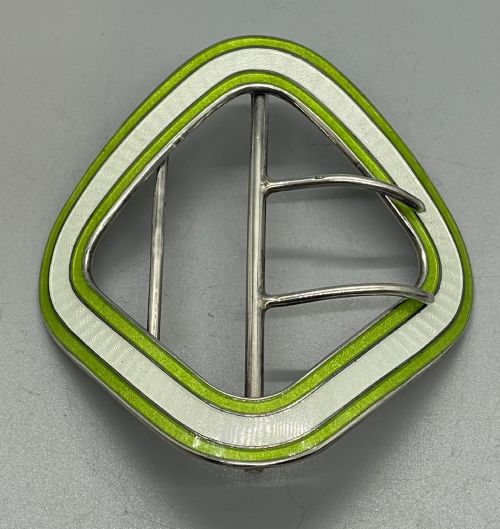
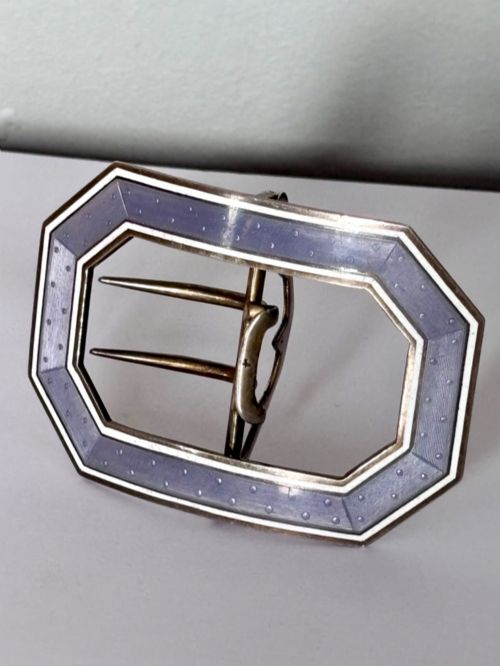
Enamelling added vibrant colour through vitreous and lavender guilloche techniques applied directly to the metal base. Paste glass, diamonds, rubies, and crystal provided sparkle, cut and set by hand to catch the light.
Vintage Dress Buckle Retail Price Guide 2026
Typical asking prices for vintage dress buckle among the pieces listed under this phrase on Sellingantiques today, from the lower quarter to the upper quarter. They describe what is for sale here now, not the wider market.
Some past owners managed to wear their entire evening's sparkle on their shoes before dinner even started.
Distinctions in quality and execution
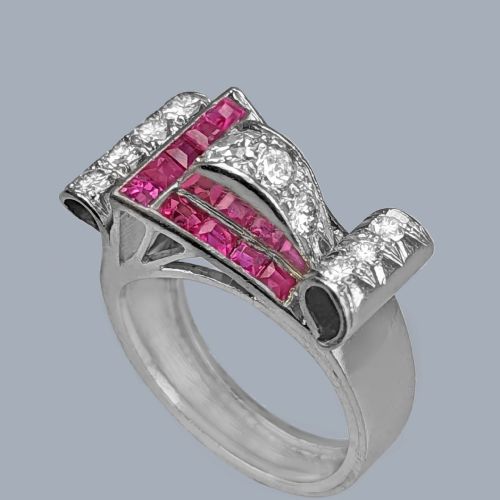
Superior examples show exceptional hand-cut paste or genuine diamond and ruby stones securely held within heavier metal mounts. The precision of the guilloche enamel work and the crispness of the cast silver or gold dictate the overall finesse of an item.
Signatures from notable makers or clear hallmarks for specific assay offices elevate a piece above unmarked workshop output. The complexity of the assembly, such as combined steel filigree and gold damascene, separates standard functional items from masterworks.
LOUIS KUPPENHEIM·LIBERTY'S·Henry Matthews Birmingham·French Tissot
The Vintage Dress Buckle Glossary
- Guilloche enamel
- A decorative technique where an underlying metal surface is engraved with intricate geometric patterns before translucent enamel is applied. This creates a shimmering depth that catches light from multiple angles.
- Paste glass
- High-refractory lead glass hand-cut and polished to imitate gemstones such as diamonds or rubies. Georgian and Victorian makers utilised paste for maximum brilliance in candlelit settings.
- Steel filigree
- Fine metalwork formed from twisted or beaded steel wires soldered together into delicate openwork patterns. This technique required immense patience and steady hands from period artisans.
- Damascene
- The art of encrusting different metals, typically gold or silver, into a dark oxidised steel background. It produces a striking contrast reminiscent of traditional sword-making crafts.
- Assay mark
- An official stamp applied to precious metals indicating purity and the testing office origin. These marks help historians trace the geographic roots and production date of silver and gold items.
Vintage Dress Buckle: Frequently Asked Questions
What periods do these buckles cover?
The available selection spans several centuries, starting from Georgian and eighteenth-century examples through to nineteenth-century creations and twentieth-century Edwardian, Art Nouveau, and Art Deco pieces. Each era brings distinct stylistic preferences and manufacturing techniques.
Buyers will find that earlier pieces often focus on shoe fastenings with paste glass, while later Edwardian and Art Deco items lean towards decorative silver belt hardware and hybrid ring designs.
How were these buckles originally worn?
These items served functional and decorative roles on personal attire, securing belts around the waist or fastening shoes with prominent front ornaments. Many were designed to be interchangeable or to signal the social status and fashion sensibilities of the wearer.
As attire evolved, belt buckles became bolder statement pieces, particularly during the Arts and Crafts and Art Nouveau revivals where metalwork took centre stage.
What metals are commonly found?
Silver forms the foundation for the majority of these pieces, including sterling silver, specific nine-hundred silver standards, and fine silver grades. Gold also appears in select luxury pieces, often combined with steel or enamel elements.
Platinum is used in later twentieth-century rings and mountings, paired with precious stones like diamonds and rubies for a refined finish.
How do I care for antique enamel and paste?
Enamel and paste components require gentle handling, avoiding harsh chemical dips or ultrasonic cleaners that can loosen stones or damage vitreous surfaces. A soft dry cloth is usually sufficient for routine maintenance of silver mounts.
Store these items away from direct sunlight and moisture to preserve the rich tones of the guilloche enamel and the integrity of the original metalwork.