


Vintage Double Clip
A vintage double clip delivers remarkable versatility, dividing from a single statement brooch into two matching dress ornaments.
Vintage Double Clip
A vintage double clip encompasses sophisticated Art Deco fur clips, dress ornaments, and convertible pendants designed to sit securely on lapels, necklines, or straps. These clever pieces separate into two distinct components, offering multiple styling options from a single refined accessory. Most examples you encounter stem from the 1920s and 1930s, reflecting the geometric elegance and mechanical ingenuity of the period.
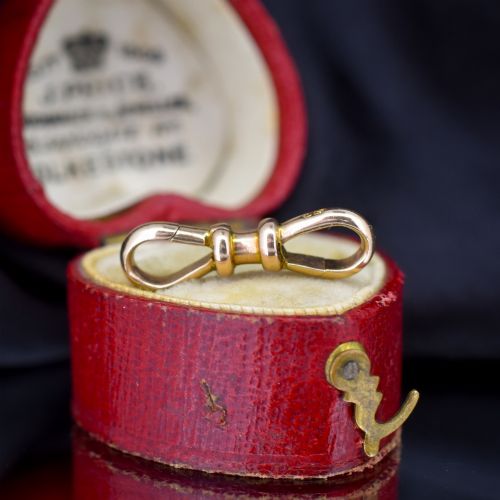
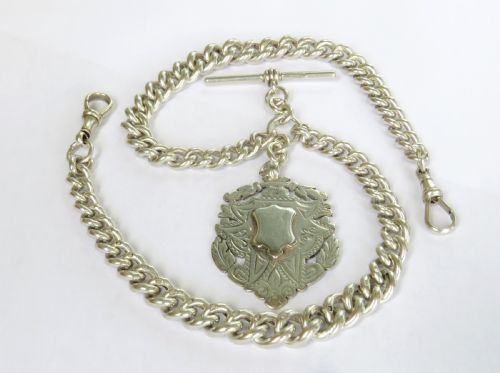
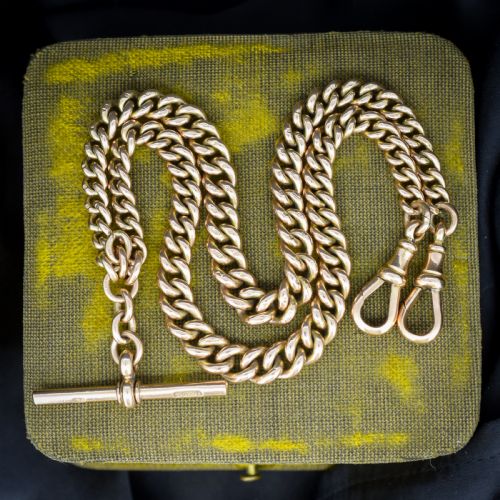
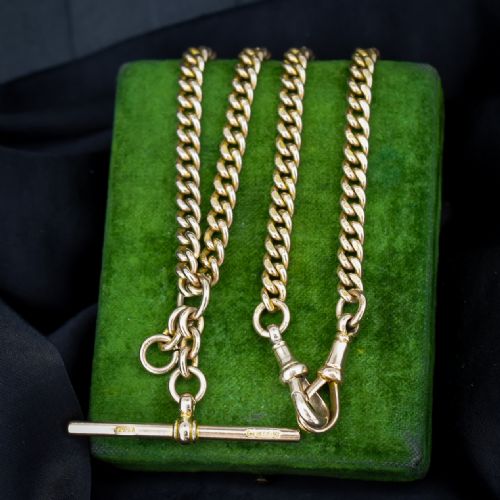
Beyond formal dress clips, the selections here include related double-fastening formats such as Edwardian and nineteenth-century albert chains equipped with double dog clips and t-bars. These functional pieces secure pocket watches or drape gracefully as necklaces through uniform and graduated curb links. Whether examining a platinum jewel set with diamonds or a gold albert chain, each item demonstrates practical historic utility.
Materials and Construction
Master jewellers constructed these pieces primarily in platinum and various gold purities, including nine-carat, fifteen-carat, and sterling silver. Platinum provided the sturdy yet malleable framework necessary to secure tight rows of diamonds and paste stones without heavy metal settings. Yellow and rose gold formed the warm structural foundation for heavy albert chains and collar brooches.
Craftsmen utilised intricate channel and prong settings to mount diamonds, turquoise, and pearls securely within geometric frames. The mechanical mechanism of a double clip or dog clip required precise engineering so the spring-loaded components functioned smoothly over decades of daily wear. Stamped hallmarks and French control marks frequently authenticate the metal quality and regional origin of these items.
Some albert chains stretch over thirty inches long, originally built to span a gentleman's waistcoat twice with room to spare.
Evaluating Quality and Craftsmanship
Superior quality in a vintage double clip reveals itself through the crispness of the metal piercing, the uniformity of the link construction, and the secure snap of the closure mechanism. Finer pieces demonstrate meticulous hand-setting of stones and seamless integration when the two individual clips lock together into a unified brooch. Lesser examples show looseness in the hinges or uneven wear across the connecting frame.
The choice of materials and the presence of signed maker attribution elevate certain items above standard production pieces. Exceptional examples incorporate high-grade diamonds mounted in platinum alongside fine milgrain detailing, whereas simpler pieces rely on silver, paste, or standard curb links. The integrity of the original locking mechanism remains paramount to the overall standard of any piece.
Paillette
The Vintage Double Clip Glossary
- Dog clip
- A spring-loaded swivel fastening commonly found on watch chains and albert chains. It allows the wearer to attach pocket watches or charms securely.
- Albert chain
- A traditional chain designed to secure a pocket watch through a waistcoat buttonhole using a t-bar. Many examples feature double clips to hold multiple accessories.
- Fur clip
- A heavy-toothed brooch designed specifically to attach to thick fabrics like furs and heavy coats without damaging the material. They often function as detachable halves of a larger double clip.
- Paste
- Hand-cut glass or lead crystal used in historic jewellery to simulate fine gemstones. High-quality paste stones are individually foiled and set into metal mounts.
- T-bar
- A small horizontal metal bar attached to the centre of a watch chain. It slips through a buttonhole to anchor the chain securely to clothing.
Vintage Double Clip: Frequently Asked Questions
What is an albert chain?
An albert chain is a historic watch chain traditionally worn across a waistcoat, anchored by a t-bar through a buttonhole. Victorian and Edwardian examples often include double dog clips at either end.
Today, collectors frequently wear these versatile gold and silver chains as necklaces or bracelets.
How do I date my piece?
Dating relies on examining the metal hallmarks, gemstone cuts, and overall stylistic motifs present in the design. Pieces from the 1920s and 1930s typically display geometric Art Deco patterns and platinum settings.
Earlier Victorian and Edwardian examples lean towards rose gold, turquoise, pearls, and elaborate curb link constructions.
Can I wear a fur clip on modern clothing?
Fur clips attach easily to modern lapels, collars, thick wool coats, and heavy scarves using their specialised double-prong mechanisms. The sturdy teeth grip heavy fabrics securely without slipping.
They offer a practical way to incorporate historic jewellery into contemporary daily wardrobes.