





Vintage Door Weighted Stop
These vintage door weighted stop pieces are heavy metal porters that hold heavy doors open with authority.
Vintage Door Weighted Stop
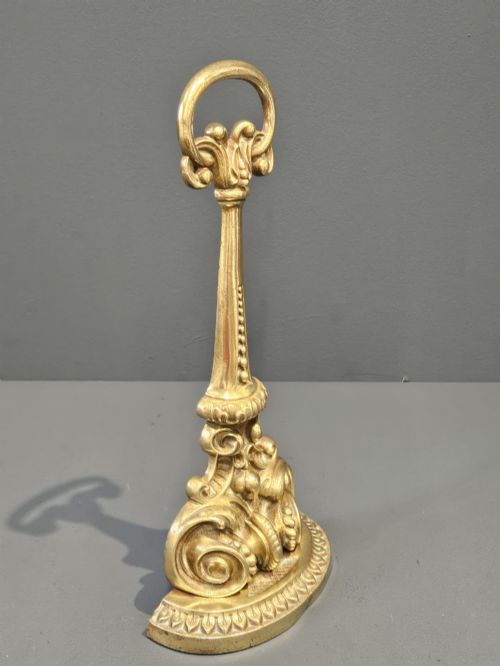
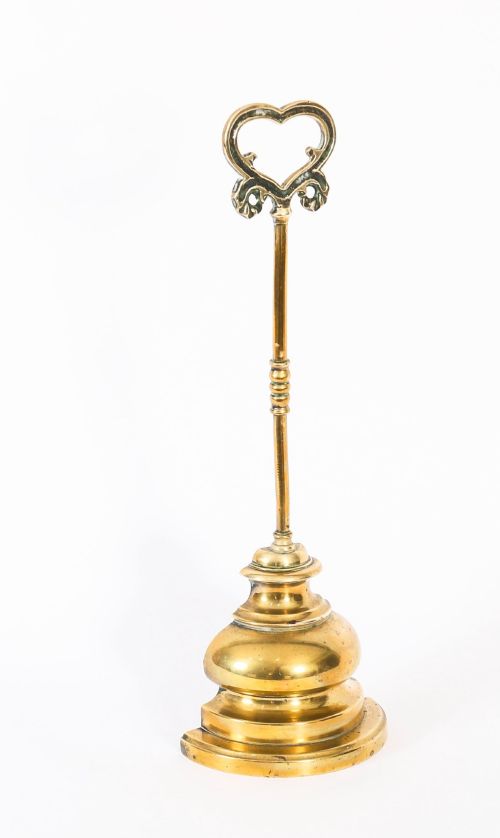
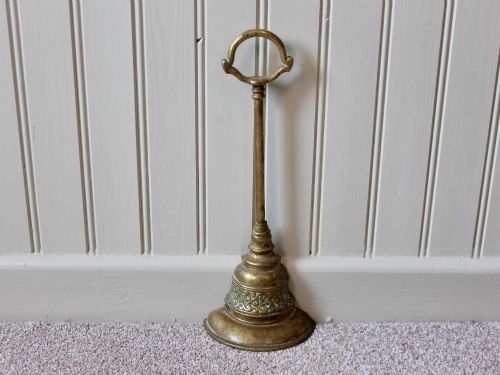
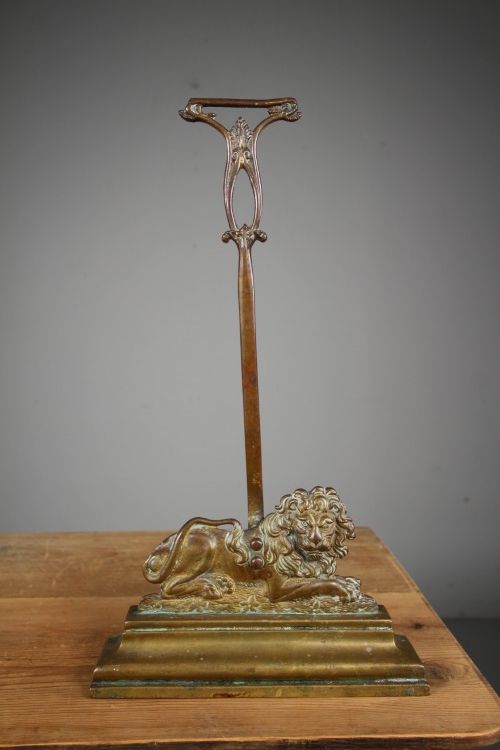
When you search for a vintage door weighted stop, you encounter heavy functional objects designed to keep interior doors open against drafts. The examples on this page are predominantly brass and cast iron door stops, often referred to as door porters.
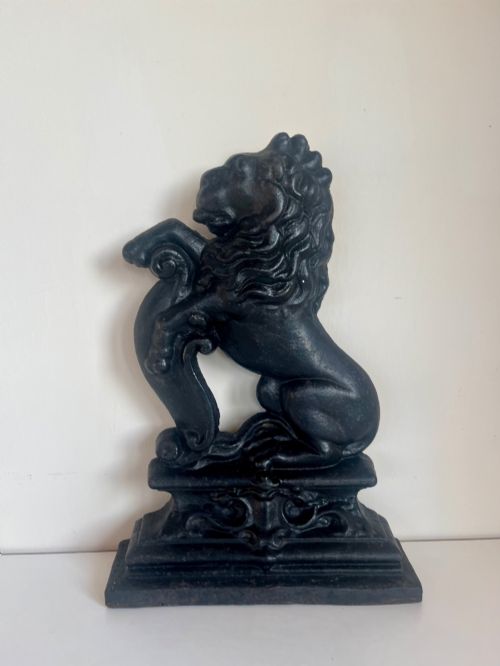
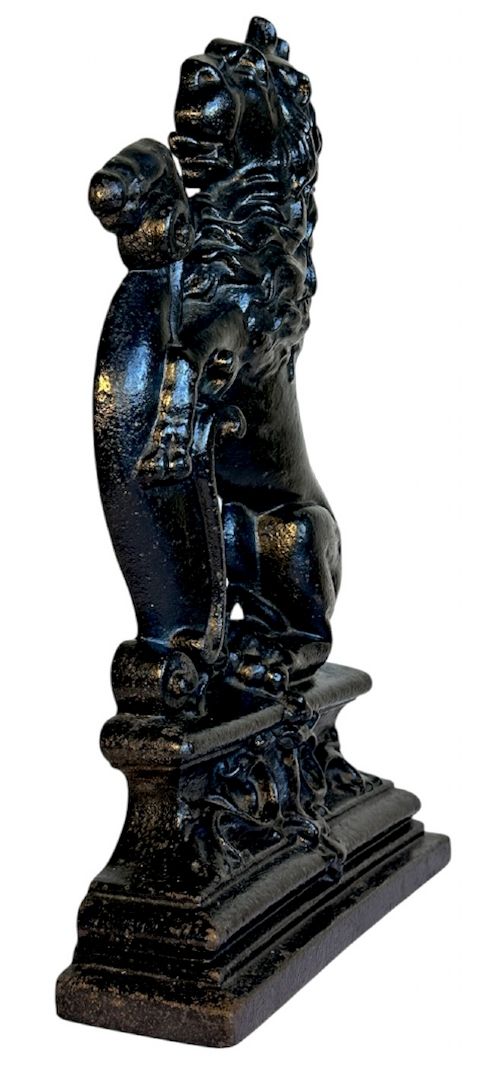
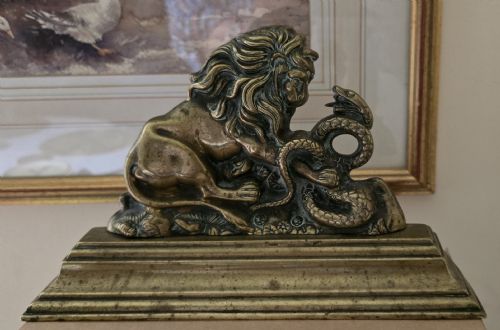
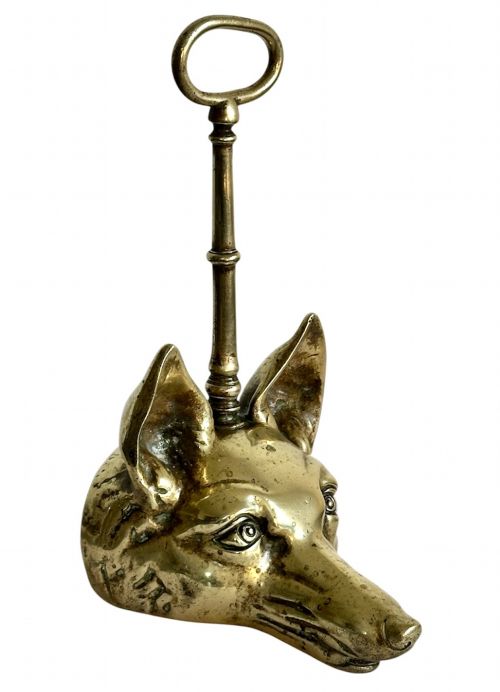
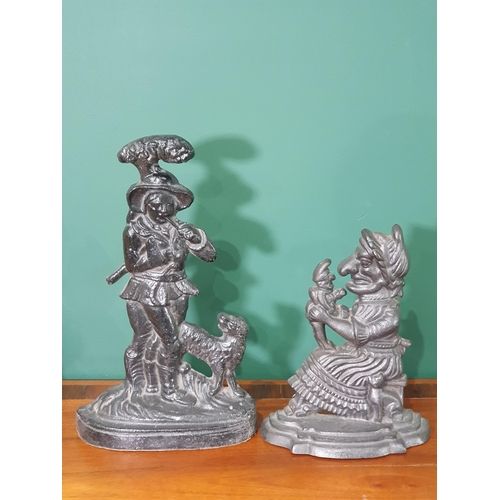
The selections span the Victorian, Georgian, and Edwardian periods, displaying distinct stylistic shifts from classical Regency influences to robust figurative castings. Most pieces take the form of lions, dogs, horses, dolphins, or characters such as Mr Punch.
The version you are most likely to meet here is the nineteenth-century brass or cast iron figural door porter, originating from English workshops. These items combine utility with domestic display, functioning equally as sculpture and hardware.
How they were made
These items were produced using traditional foundry methods, pouring molten metal into sand moulds to create solid brass, cast iron, or bronze forms. Lead or iron weighting was frequently incorporated to ensure the piece possessed sufficient gravity for its task.
Finishes varied between polished brass and painted cast iron surfaces, where applied colours highlighted details on figurative subjects like animals and historical figures. Wood was occasionally utilised in associated backing components or mounts.
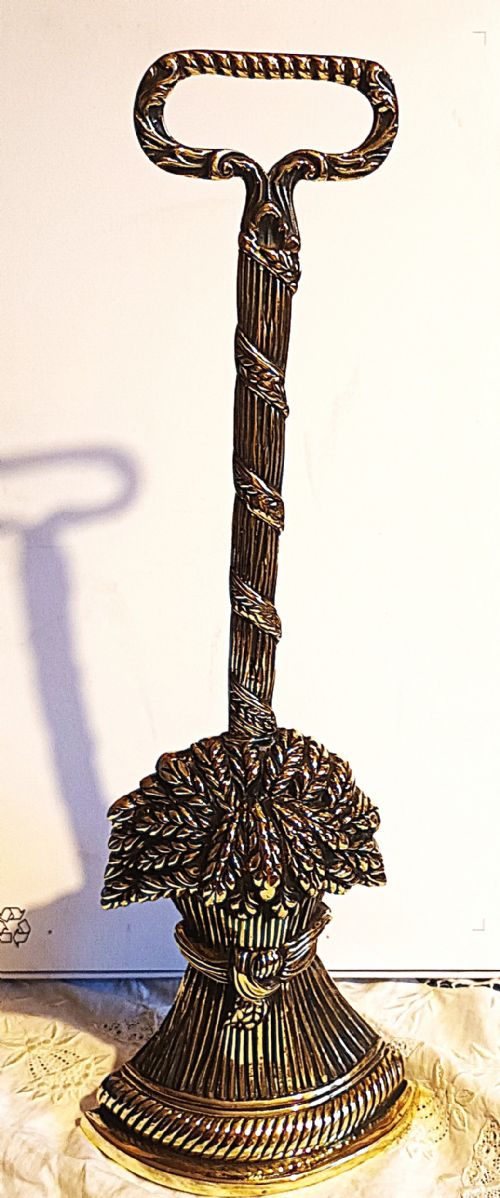
The casting process allowed makers to render intricate details such as manes, facial expressions, and classical drapery with crisp relief. Surface textures often retain the subtle marks of the original mould and hand-finishing.
Vintage Door Weighted Stop Retail Price Guide 2026
Typical asking prices for vintage door weighted stop among the pieces listed under this phrase on Sellingantiques today, from the lower quarter to the upper quarter. They describe what is for sale here now, not the wider market.
Listings feature brass and cast iron predominantly, alongside lead, bronze, wood, and painted surfaces from the nineteenth century.
What varies in quality
The choice of material and heft dictates the practical utility of the porter, as heavier metals provide superior resistance against swinging doors. Metal composition and the retention of original paint surfaces further separate utilitarian items from finer decorative works.
Tonks
The Vintage Door Weighted Stop Glossary
- Door porter
- A heavy portable stop designed to hold doors open from the floor rather than being fixed to the skirting or door itself. These tall pieces often incorporate an integrated handle at the top.
- Cast iron
- An iron-carbon alloy poured into moulds to create rigid, heavy objects. This material provides the substantial mass required for functional door weights.
- Brass
- A copper and zinc alloy valued for its bright metallic appearance and resistance to corrosion. It was frequently cast and polished for formal domestic interiors.
- Figural
- Describes an object shaped to represent a human, animal, or mythical creature. Lions, dogs, and characters such as Mr Punch are common subjects.
- Regency
- A stylistic period spanning the early nineteenth century characterised by classical motifs and balanced proportions. Pieces from this era often display restrained neoclassical influence.
Vintage Door Weighted Stop: Frequently Asked Questions
What is a door porter?
A door porter is a heavy portable stop designed to keep interior doors open by virtue of its mass. These objects sit directly on the floor and usually include an upright handle.
They combine practical utility with decorative presence, often featuring figural designs that serve as miniature sculptures in a hallway.
How do I date a cast iron stop?
Dating relies on stylistic clues, casting crispness, and material composition typical of nineteenth-century foundry work. Victorian and Edwardian examples often feature specific animal motifs or literary characters.
Examining the underside and surface wear reveals the age of the metal and the authenticity of any painted finishes.
Are these items heavy enough for heavy doors?
These pieces are cast in solid brass, iron, or bronze, often with internal lead weighting to increase their mass. They are specifically engineered to hold heavy interior doors against draughts.
The substantial weight prevents the stop from sliding when the door makes contact.
Where should I place a door porter?
These stops function best on interior hallway or drawing room doors where cross-breezes tend to cause slamming. Their decorative subjects make them suitable for display even when not actively holding a door.
Position the stop near the edge of the door swing where it can easily catch the panel.