



Vintage Door Handles
These vintage door handles and related hardware bring period character to an interior, spanning Georgian elegance through to Art Deco designs.
Vintage Door Handles
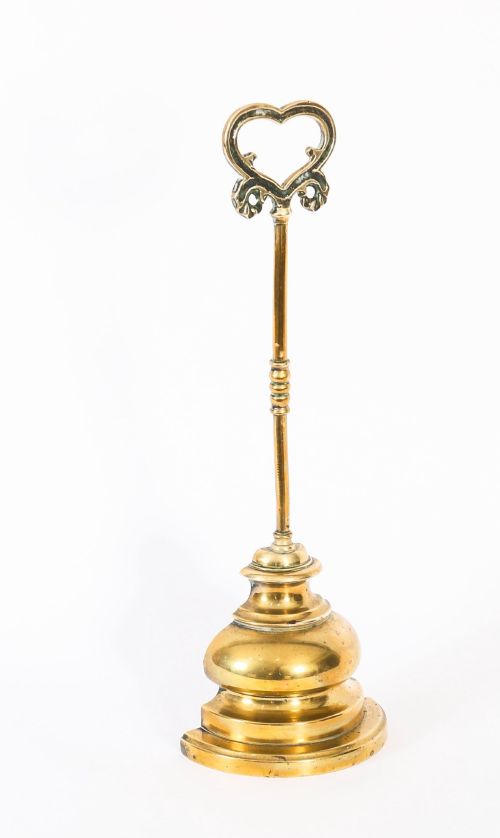
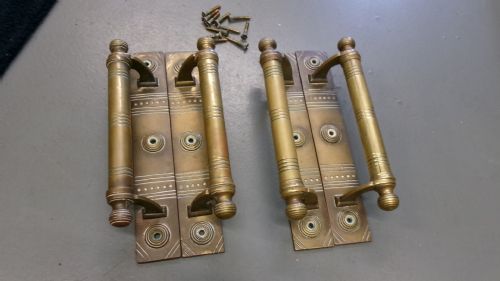
When you search for vintage door handles, you encounter a selection of hardware including pairs of door knobs, door porters, and finger plates. The pieces span periods from the Georgian era through the Victorian period and into the early twentieth century.
You are most likely to meet brass and bronze examples originating from Victorian and Edwardian workshops. These incorporate functional items alongside decorative door stops and matching push plates.
The assortment also encompasses specialised items such as shop door handles and centre door knobs. These items reflect the specific architectural requirements of their respective decades.
Materials and construction
Foundry work dominates the construction, utilising cast brass, cast bronze, and cast iron. These metals provide the structural integrity required for daily domestic and commercial use.
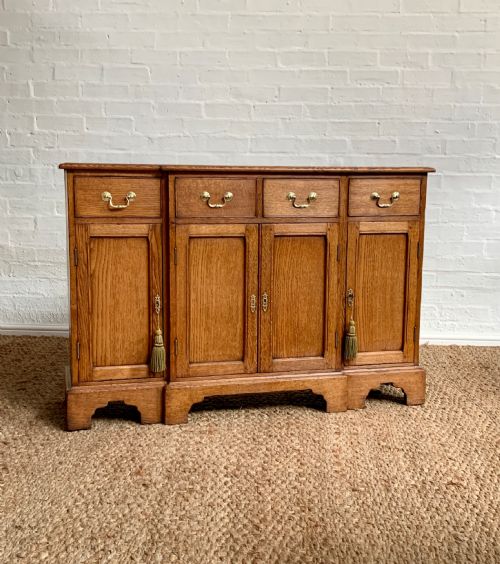
Many handles and pulls incorporate contrasting elements such as lead crystal, porcelain, china, and glass mounted onto metal backplates. Wood appears in forms like oak and mahogany for related cabinetry elements.
Maker techniques involve casting and tooling, with specific hardware samples mounted on boards to showcase the metalwork. Finishes range from gilded surfaces to patinated bronze and polished brass.
Listings feature brass, bronze, cast iron, and wood across periods from the seventeenth century to the nineteen-thirties.
Assessing quality in hardware
The weight of the metal indicates the standard of manufacture, with heavier casts providing a more substantial feel in the hand. Solid brass and bronze configurations generally outlast plated alternatives.
Detailing in the casting separates standard production from superior work. Crisp motifs on figural doorstops and ornate mounts on glass or crystal handles demonstrate greater artisanal skill.
The integrity of the mechanism and the clarity of integrated glass or crystal elements define the upper tier of survivals. Matching sets with original mounts retain higher cohesion than assembled pairs.
Gerwin & Co Birmingham·William Tonks·William Tonks & Sons
The Vintage Door Handles Glossary
- Door porter
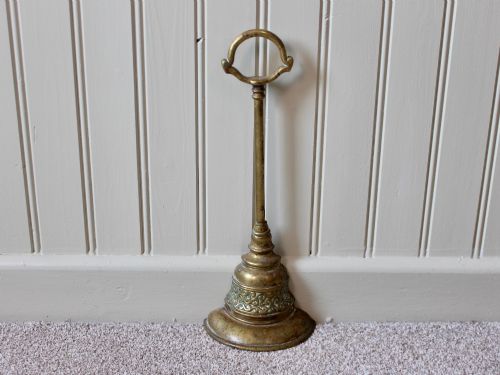
- A heavy weighted object placed against a door to keep it open, often formed of cast brass in figural or figurative designs.
- Finger plate
- A protective metal plate screwed to a door around the handle to prevent fingerprints and wear on the wood surface.
- Push plate
- A flat plate mounted on a door that a person pushes against when opening it, frequently matching the adjacent handle design.
- Centre door knob
- A stationary knob positioned in the middle of a grand entrance door rather than at the edge for latching.
- Lead crystal
- A heavy, clear glass containing lead oxide that increases brilliance and weight, used frequently for decorative handle grips.
Vintage Door Handles: Frequently Asked Questions
How do I clean antique brass handles?
Cleaning antique brass requires gentle methods to preserve the natural patina built up over decades or centuries. Harsh chemical dips strip away the surface character that collectors value.
Warm soapy water and a soft cloth suffice for removing dirt. Avoid abrasive scourers which scratch the metal surface.
Will old door handles fit modern doors?
Many vintage handles feature spindle sizes and backplate dimensions that differ from contemporary metric standards. Spindles often require adjustment or replacement to engage with modern latch mechanisms.
Checking the square bar dimensions before purchase ensures compatibility with your existing internal door mortices.
What is a door porter?
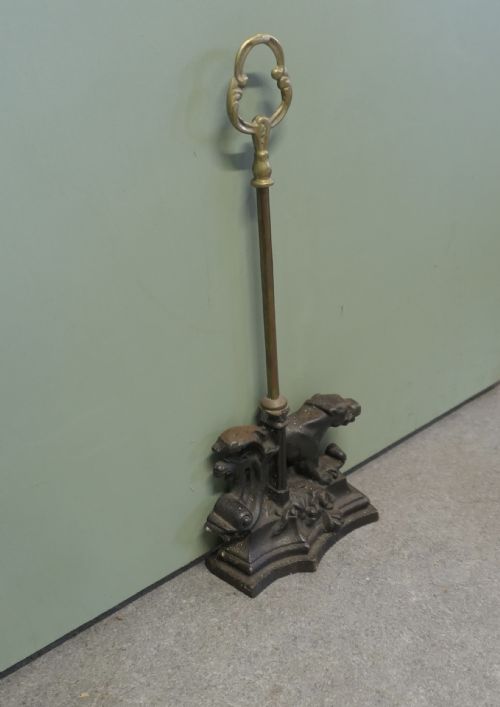
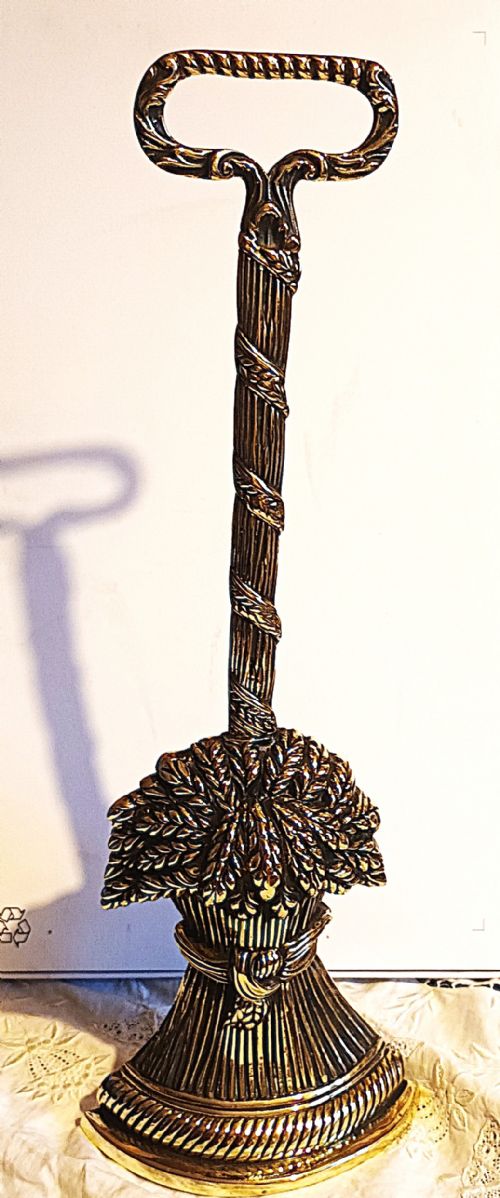
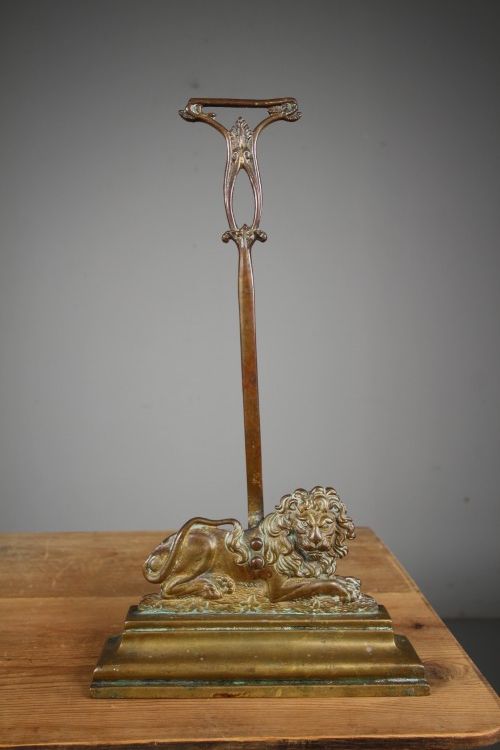
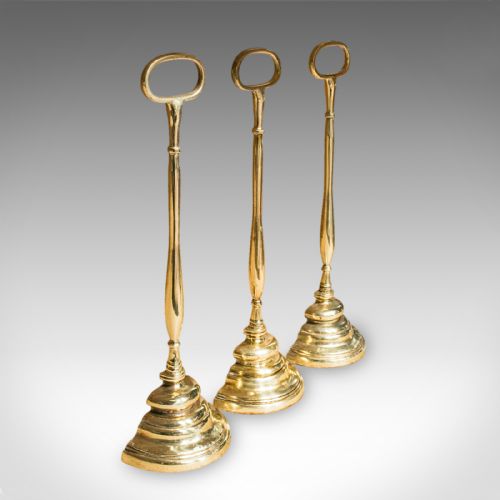
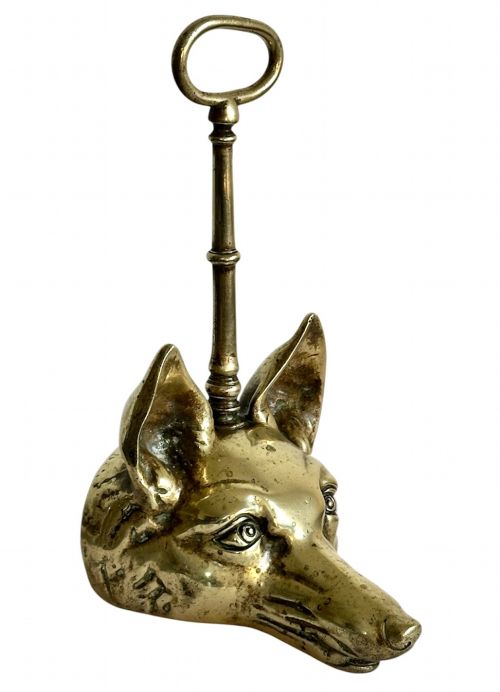
A door porter functions as a heavy portable stop designed to hold interior doors open against draughts. They often feature an upright handle or ring at the top for easy lifting.
Victorian examples frequently take the form of lions, foxes, or architectural pillars cast in solid brass.
How do I date a brass door knob?
Dating hardware involves examining the casting method, screw types, and stylistic indicators such as Arts and Crafts or Regency motifs. Earlier pieces often display hand-finished irregularities in the metal.
Comparing the design against known catalogue entries or patent dates helps narrow down the decade of production.