


Antique Pull Handles
Antique pull handles are the period hardware that transforms an ordinary door or piece of furniture into something substantial.
Antique Pull Handles
When you search for antique pull handles, you encounter architectural hardware spanning the Georgian, Victorian, Edwardian, and Art Deco periods, alongside functional furniture fittings.
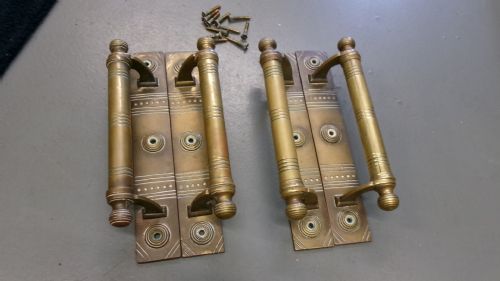
The selections on this page lean heavily towards brass, bronze, and glass door furniture, centre door knobs, bell pulls, and cabinet hardware.
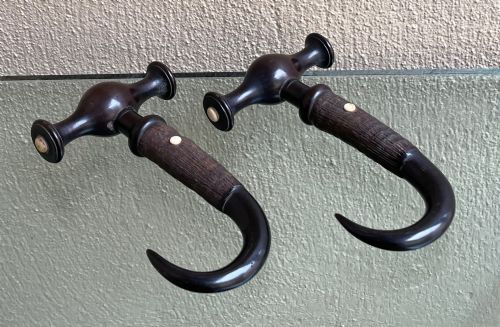
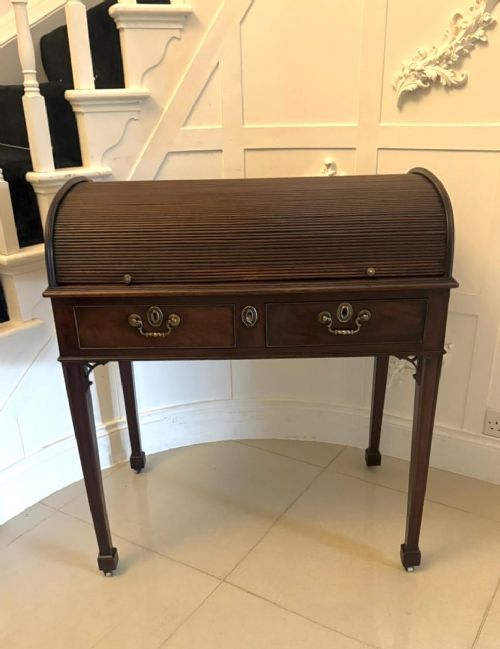
You also meet specialised pieces like boot pulls and drop handles derived from mahogany chests and desks, showing how hardware integrates across domestic and commercial settings.
How they were made
Makers utilised casting techniques for metals, pouring brass, bronze, and nickel into moulds to create ornate backplates, drop handles, and rigid knobs.
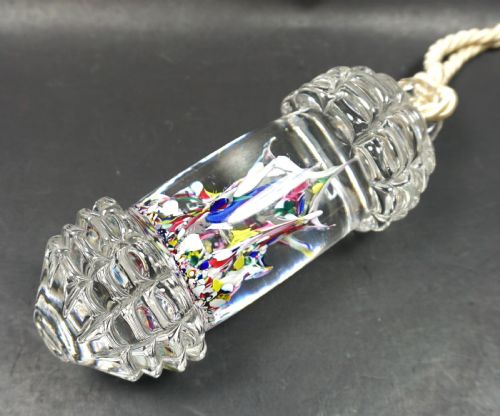
Glass elements, including lead crystal and blue or black china components, were fused or moulded separately before mounting into metal collars with pins or screws.
Organic materials like horn, bone, and ebony wood were turned and polished by hand, then fitted with precious metal mounts or silver handles.
Listings feature hardware spanning from the 17th century through the Art Deco era of the 1930s.
What varies in quality
The distinction between ordinary and superior hardware lies in the crispness of the cast ornamentation and the weight of the metal used in the backplate.
Fine examples retain original mounts, crystal clarity without clouding, and secure joinery between the grip and the spindle or backplate.
The Antique Pull Handles Glossary
- Backplate
- The metal plate fixed to the door or drawer behind the handle mechanism. It protects the wood and displays the decorative style of the period.
- Bell pull
- A mechanical lever or handle connected to a wire system for summoning domestic staff. These feature articulated joints and heavy return springs.
- Centre door knob
- A stationary handle mounted in the middle of a grand entrance door rather than the edge. They are typically heavy brass or bronze to permit a firm grip when pulling.
- Sash lift
- A small recessed or projecting handle attached to the bottom rail of a window sash. They allow smooth operation of vertical sliding windows.
Antique Pull Handles: Frequently Asked Questions
How do I clean tarnished brass handles?
Warm soapy water and a soft cloth remove decades of accumulated grime without destroying the underlying metal surface. Avoid harsh chemical dips that strip away the aged patina accumulated over centuries.
Patina indicates authenticity and age, so gentle cleaning preserves the historical character while maintaining usability.
Can antique door handles fit modern doors?
Many older mechanisms utilise spindles and screw placements that differ from modern metric standards. Check the measurements of the spindle hole and backplate fixings carefully before attempting installation.
Minor adjustments by a knowledgeable carpenter often resolve discrepancies between historical hardware and contemporary joinery.
What is the difference between a knob and a pull?
Knobs are designed to rotate or remain stationary to push or pull a door open against a latch. Pulls are fixed bars or drops that operate without a turning motion.
Both serve distinct architectural functions depending on whether the door requires a simple latch release or a direct heavy pull.
How do I date an antique handle?
Stylistic cues such as the flowing asymmetry of Art Nouveau or the geometric precision of Art Deco provide immediate chronological markers. Material choices and manufacturing marks on the reverse offer further clues to the decade of production.
Comparing the casting quality and screw types against documented examples helps narrow down the period of manufacture.