




Clear Glass Handles
These clear glass handles bring tactile brilliance to doors, furniture and serving vessels alike.
Clear Glass Handles
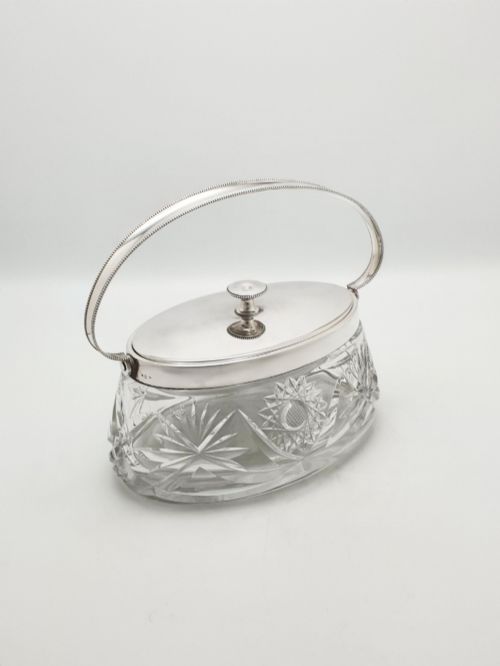
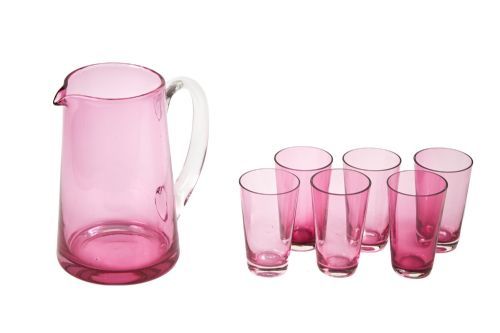
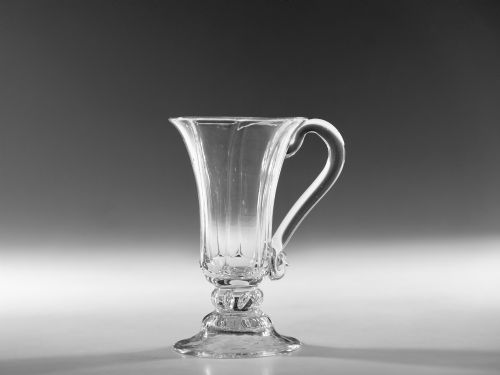
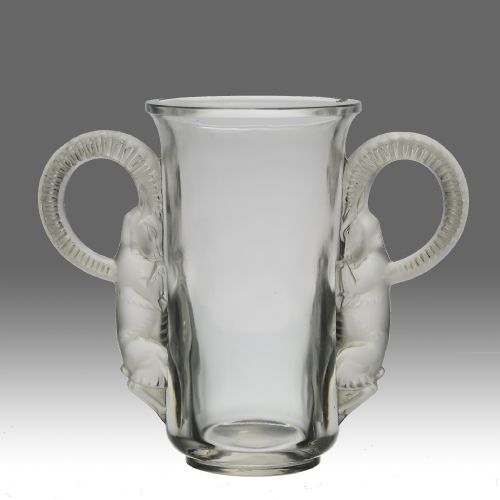
When searching for clear glass handles, buyers encounter functional grips fitted to door pulls, furniture and serving vessels across several centuries. The selection spans domestic utility items from the Victorian and Edwardian eras alongside architectural hardware like door knobs and bell pulls. These pieces combine transparent glass components with mounts of sterling silver, silver plate, brass or bronze.
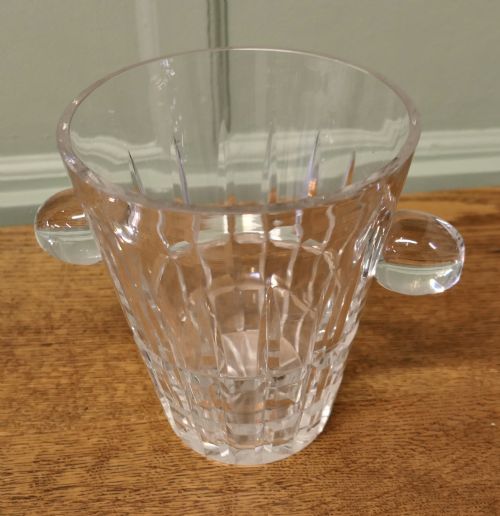
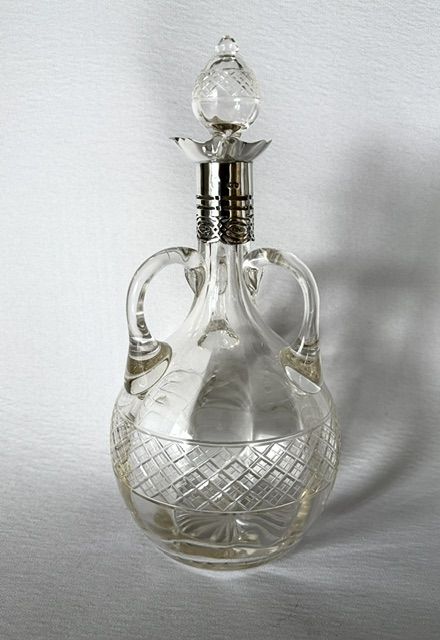
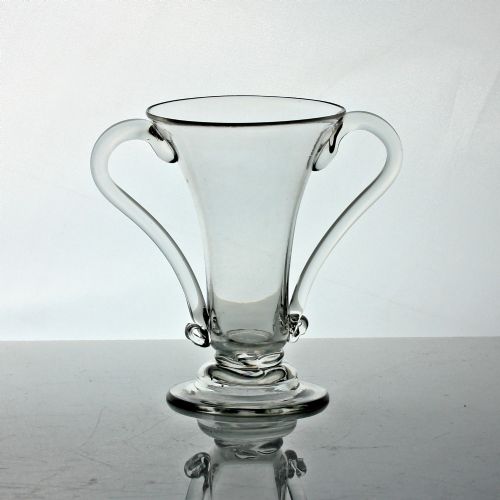
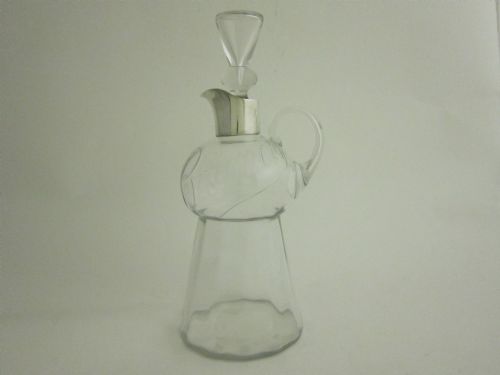
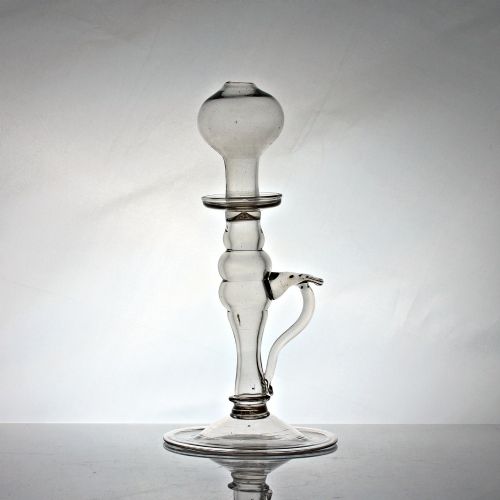
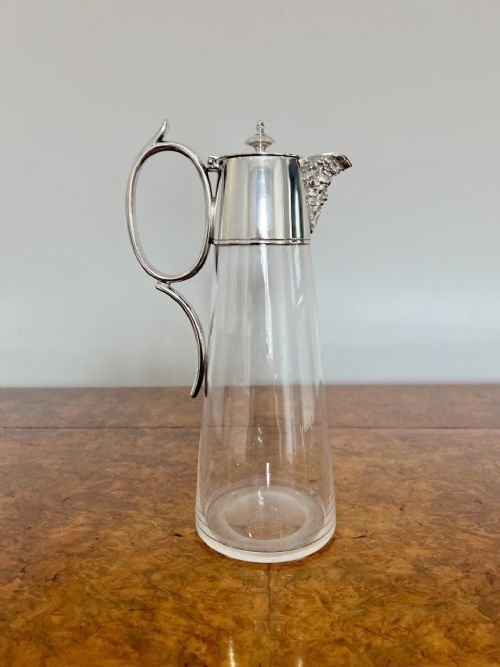
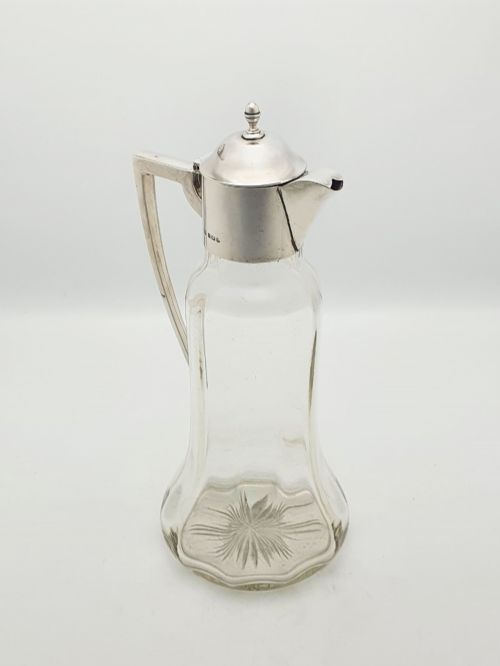
The objects bearing these handles range from decanters, claret jugs and biscuit barrels to domestic door furniture and bells. Georgian and Victorian examples dominate the domestic glassware, whilst late nineteenth and early twentieth-century pieces incorporate metal collars, hinges and mountings. Buyers find both standalone hardware and functional vessels designed for daily service.
Materials and Techniques
Maker workshops utilised lead glass, lead crystal and cut glass, shaping vessels and handles through moulding, panel moulding or hand cutting. The glass surfaces often display deep facets, overshot textures or applied elements fused to the main body during formation.
Metal mounts in sterling silver, silver plate, brass and gilt bronze were cast or fabricated to secure the glass components. Artisans attached these metal collars and hinges using secure pins or adhesive mountings to withstand regular handling.
Some Victorian door pulls were filled with tiny trapped air bubbles that guests would solemnly inspect for luck before turning the knob.
Evaluating Quality
Quality rests upon the clarity of the glass and the precision of any cut facets or moulded decoration. Superior items display crisp lines in the crystal without heavy clouding or internal bubbles, maintaining structural integrity across the handle and its mount.
The connection between the glass component and its metal mount dictates overall grade. Finer pieces demonstrate flush metalwork, secure fixings and balanced weight distribution between the glass grip and the supporting hardware.
Hukin and Heath·R Lalique·René Lalique·Joseph Simon for VSL
The Clear Glass Handles Glossary
- Lead crystal
- Glass containing a high proportion of lead oxide, which increases brilliance, weight and refractive index. This material allows for deeper and sharper cutting by the artisan.
- Silver plate
- A base metal foundation coated with a thin layer of silver. It provides the appearance of solid silver on mounts and collars for domestic vessels.
- Panel moulded
- A manufacturing method where molten glass is blown into a multi-part mould to create distinct flat facets or panels. This technique produces regular geometric patterns across the body.
- Overshot glass
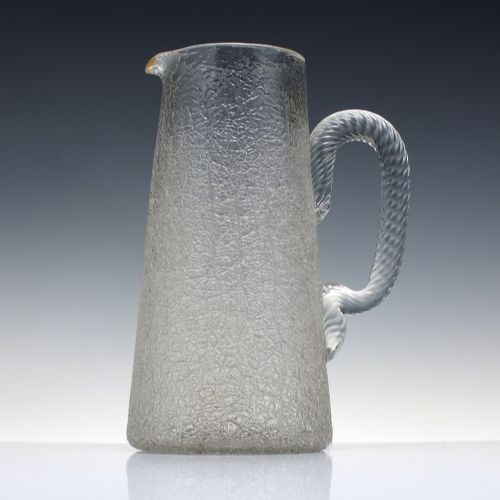
- A technique where fine glass threads are trailed over the hot surface of a vessel to create a textured, icy exterior. It produces a tactile finish favoured in nineteenth-century jugs.
- Latticinio
- Venetian glassworking method incorporating opaque white or coloured glass threads within clear glass. These threads twist through the material in delicate lace-like patterns.
Clear Glass Handles: Frequently Asked Questions
How do I clean clear glass handles?
Wash the glass gently in warm soapy water using a soft cloth to avoid scratching the surface. Dry thoroughly with a lint-free towel to maintain clarity.
Keep metal mounts dry and polish them only with appropriate metal creams, ensuring the cleaning agents do not come into contact with the glass.
Are these handles suitable for daily use?
Many items, such as door pulls and serving jugs, were built for practical domestic application and withstand normal handling. Solid construction in lead crystal or heavy glass provides good durability for regular service.
Delicate antique mounts or fragile cut crystal require gentle care to prevent accidental chipping or loosening of the fixings over time.
How can I date a glass handle?
Examine the manufacturing technique and the style of any attached metalwork, comparing them against known Victorian, Edwardian or Georgian design markers. Panel moulding and hand cutting styles often shift perceptibly between the eighteenth and twentieth centuries.
Check for hallmarks on silver mounts, which provide exact assay dates and maker marks to confirm the period of production.
What is the difference between lead glass and crystal?
Lead glass contains specified levels of lead oxide that alter its density and refractive properties compared to standard soda-lime glass. This composition allows artisans to achieve greater brilliance and clearer resonance when struck.
Crystal specifically denotes lead glass with enhanced weight and clarity, making it the preferred medium for intricate decorative cutting on fine tableware and hardware.