




Vintage Display Vase
A vintage display vase holds blooms or stands alone as an ornamental centrepiece, bringing decorative form and period character to a room.
Vintage Display Vase
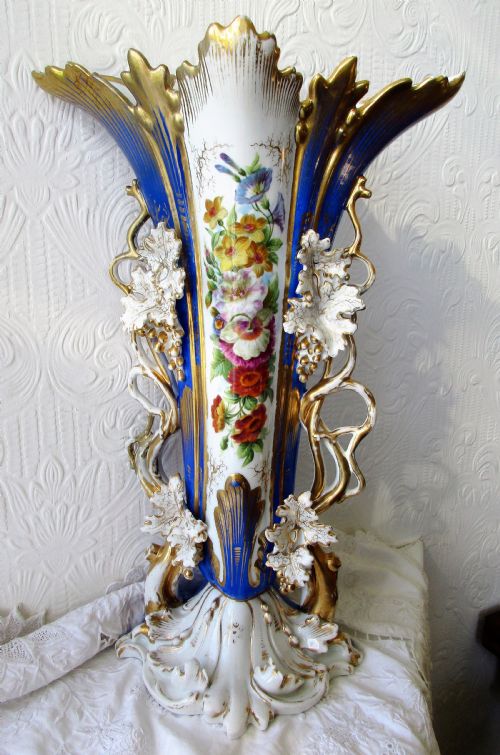
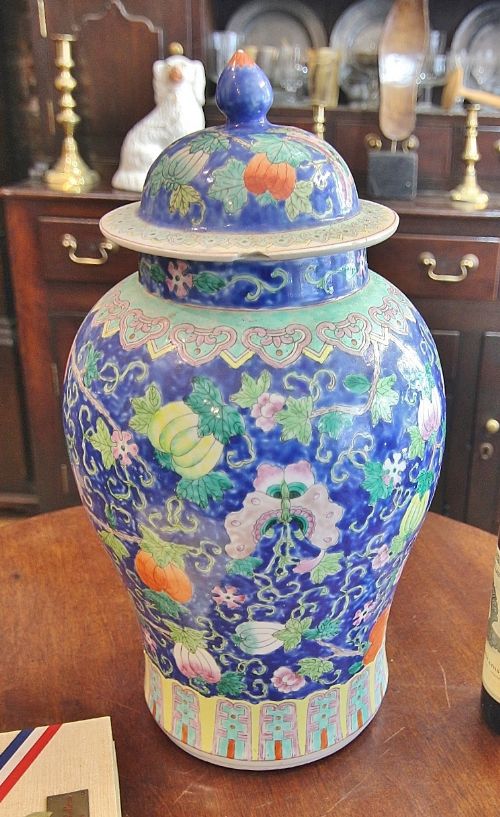
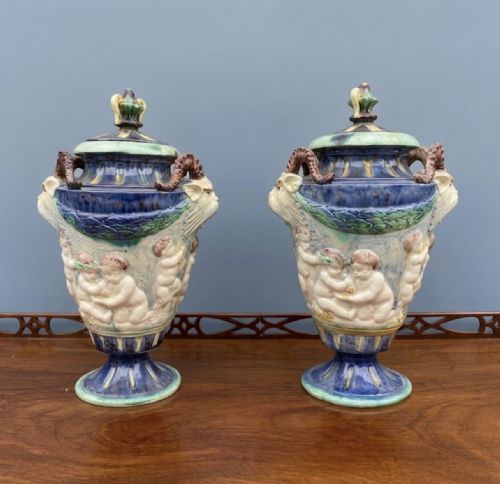
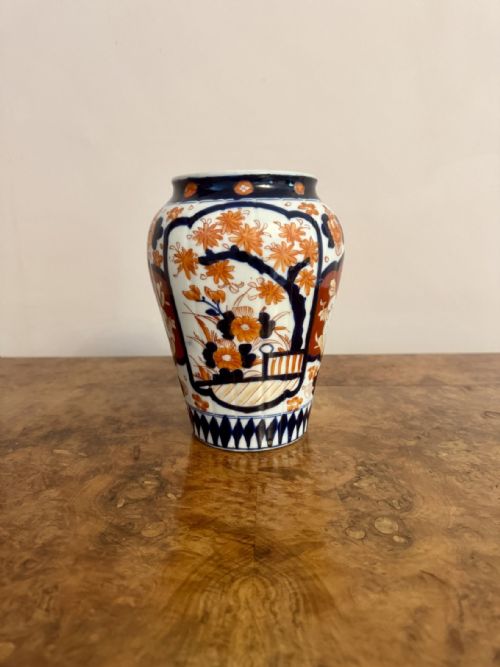
A vintage display vase encompasses ornamental vessels designed primarily for visual impact rather than practical utility, often taking the form of large floor-standing urns, decorative jars, or slender mantel vessels. When searching for a vintage display vase, buyers encounter items ranging from nineteenth-century Japanese Imari porcelain and English majolica to twentieth-century Art Deco glass and earthenware.
The selections span distinct periods including Victorian, Edwardian, and Art Deco eras, with origins reaching across English, European, and Asian workshops. Forms vary from sturdy plant stands and jardinieres to elaborate painted porcelain, cloisonné, and etched crystal designed for interior display.
How they were made
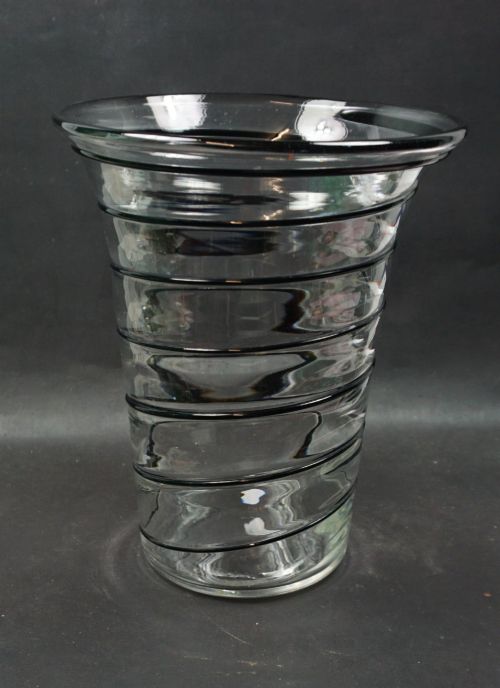
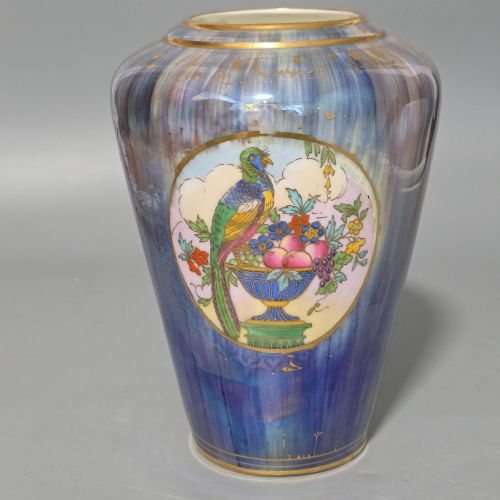
Pottery and porcelain pieces utilise clay bodies finished with glazes, hand-painted enamel, or gilt highlights, while glass items involve moulded or blown crystal treated with acid etching and enamel decoration. Artisans applied surface ornamentation through techniques such as cloisonné wirework, hand enamelling, and gold leaf application.
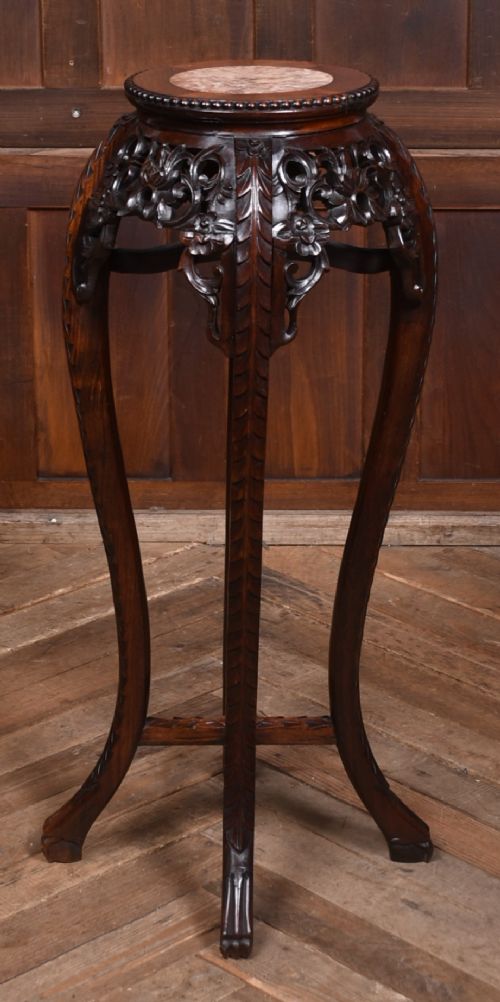
Support elements like plant and vase stands combine turned hardwood, mahogany, and marble inserts to create sturdy display furniture suited to heavy ceramic urns.
Vintage Display Vase Retail Price Guide 2026
Typical asking prices for vintage display vase among the pieces listed under this phrase on Sellingantiques today, from the lower quarter to the upper quarter. They describe what is for sale here now, not the wider market.
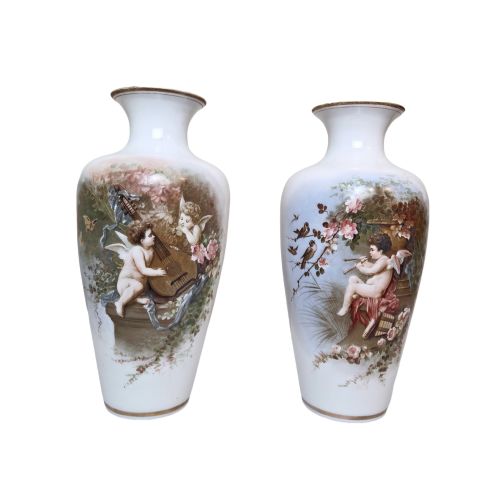
Several Victorian and Edwardian vessels chose to depict cherubs, parrots, and storks rather than standard floral patterns.
What varies in quality
The standard of a display piece rests upon the crispness of its hand-painted details, the depth and clarity of the glaze or glass crystal, and the precision of applied gilding and enamel work. Superior examples demonstrate confident brushwork, balanced proportions, and well-preserved decorative surfaces without loss to intricate metal wirework or painted motifs.
Material composition also dictates standing, with heavy crystal, fine porcelain bodies, and solid hardwood framing representing higher tiers of craftsmanship compared to standard production wares.
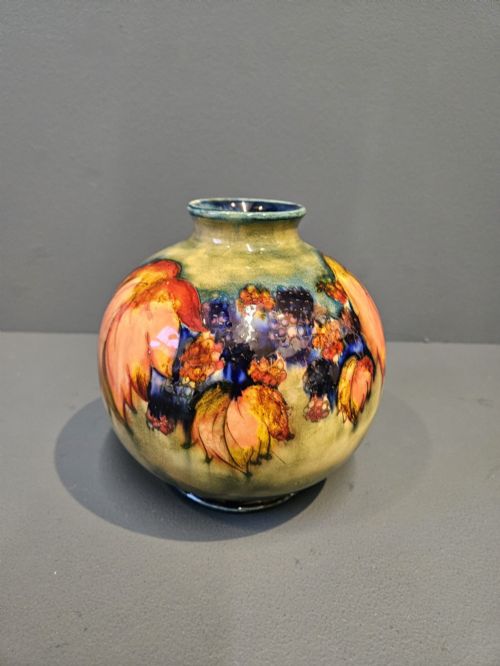
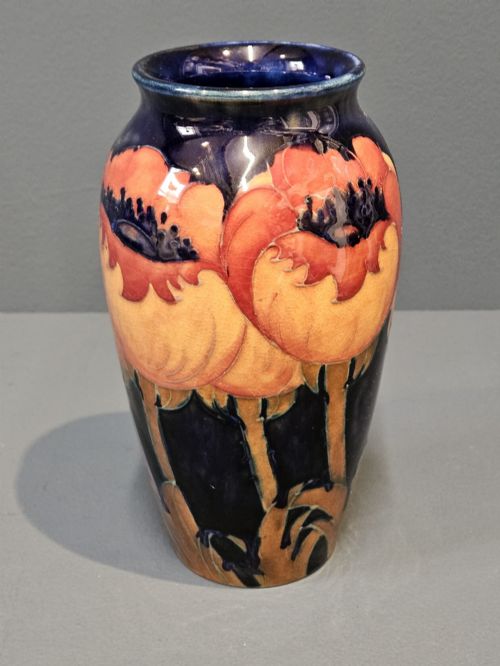
Moorcroft·Minton·St Louis glassworks·Charlotte Rhead·Mougin·Wedgewood·Karl Palda·Royal Worcester
The Vintage Display Vase Glossary
- Imari
- A style of Japanese porcelain decorated in underglaze blue and overglaze red, gold, and green. These wares were heavily exported to Europe during the Meiji period and later.
- Cloisonné
- An ancient metalwork technique where thin metal strips are soldered to a base to form compartments filled with enamel paste. The object is then fired and polished to a smooth finish.
- Majolica
- A type of earthenware coated with an opaque tin-glaze and painted with bright metallic oxide colours. It gained immense popularity during the nineteenth century for decorative garden and indoor urns.
- Epergne
- A large table centrepiece featuring a central bowl with multiple branching trumpets or vases. They are typically made from silver-plated metal combined with glass components.
- Jardiniere
- A large ornamental pot or stand designed to hold growing plants or flowers. They frequently appear in ceramic, porcelain, or fitted with marble tops on hardwood frames.
Vintage Display Vase: Frequently Asked Questions
How do I display a large vintage vase?
Large decorative vessels work best placed on dedicated plant stands, low tables, or floor spaces where their height and form can command attention without obstruction.
Pairing them with wooden stands or positioning them against neutral walls enhances their visual impact within a room.
Can these vintage vases hold water?
Many decorative vessels are created primarily for visual display rather than holding fresh flowers and water. Glazed pottery and thick crystal can often handle water safely, but antique porcelain and cloisonne items are best kept dry to protect their delicate interior surfaces and painted finishes.
Utilising waterproof inner liners can sometimes protect fragile historic bodies if floral arrangements are required.
What is the difference between earthenware and porcelain?
Earthenware is a porous, opaque ceramic fired at lower temperatures, often seen in majolica and older pottery pieces. Porcelain is a dense, vitrified ceramic fired at much higher heats, resulting in a non-porous material that often rings when struck and allows for finer, thinner vessel walls.
Both materials host different decorative techniques ranging from heavy enamel to delicate hand painting.
How do I identify Art Deco pieces?
Art Deco items typically feature geometric patterns, stylised motifs, and sleek symmetrical lines characteristic of the 1920s and 1930s. Look for etched crystal, bold enamel colour palettes, and streamlined silhouettes.
Makers from this era frequently utilised acid-etching and contrasting metallic tones to create striking visual depth.