






Vintage Display Showcase
A vintage display showcase puts your collection centre stage, bringing clear glass and solid timber together to protect and present treasures.
Vintage Display Showcase
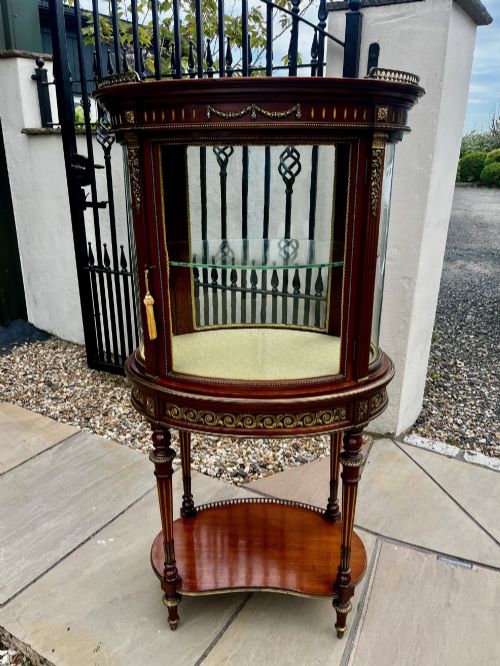
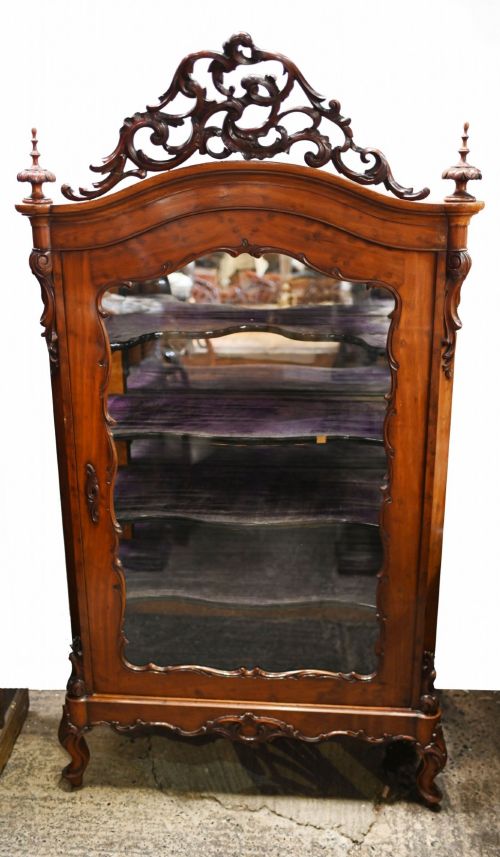
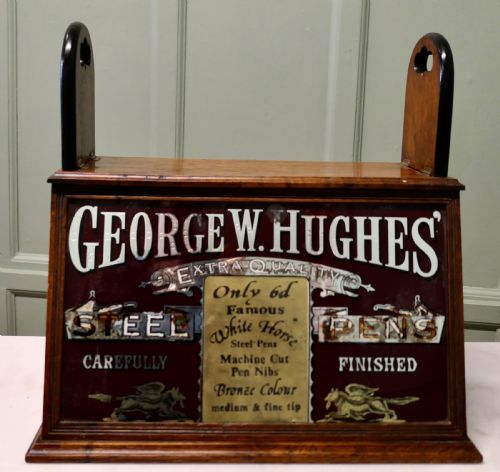
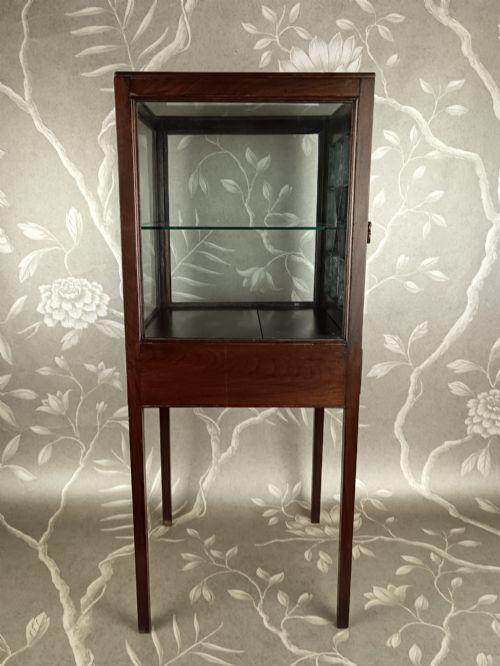
When you search for a vintage display showcase, you enter a field defined by glazed cabinets, glass domes, and timber shop counters spanning the nineteenth century through the Art Deco era and the 1930s. These pieces range from upright floor-standing mahogany vitrines to compact countertop cases and commercial haberdashery units designed originally to hold retail goods or private curiosities.
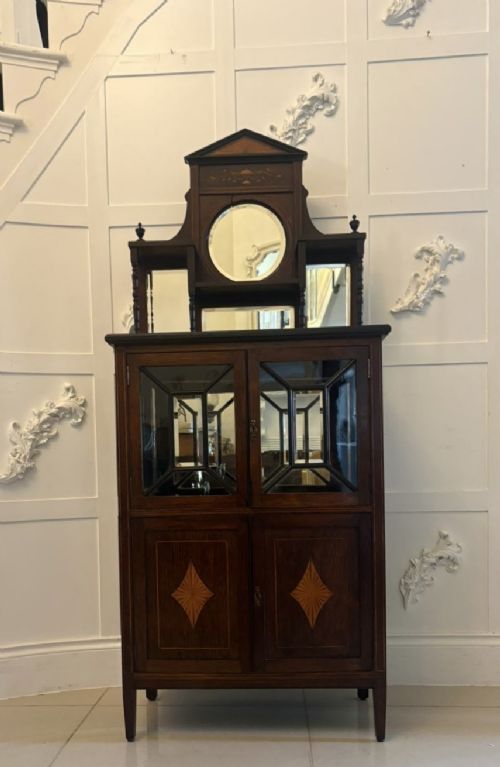
You are most likely to meet Edwardian and 1920s mahogany or oak cabinets on this page, often featuring glazed doors, adjustable glass shelves, and occasionally mirrored backs or lined interiors in velvet and fabric. Form follows function closely, dividing domestic parlour vitrines from commercial shop counters and stationers cupboards.
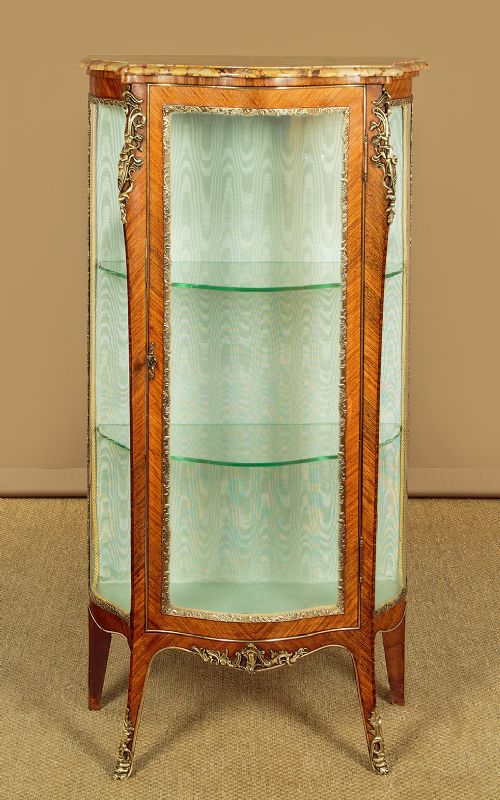
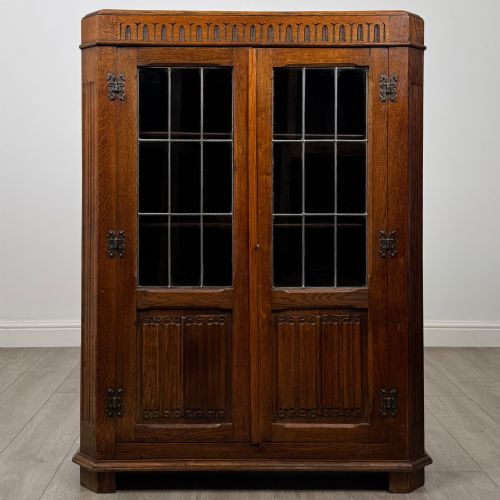
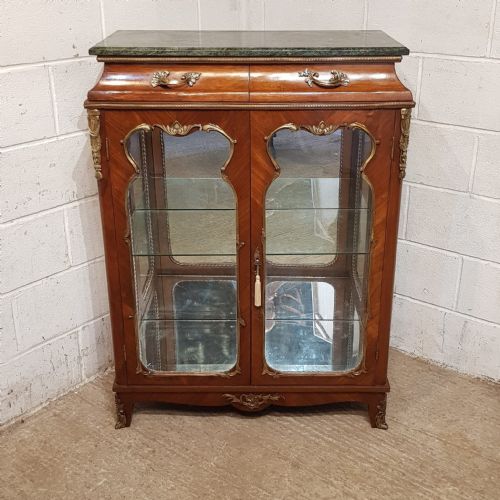
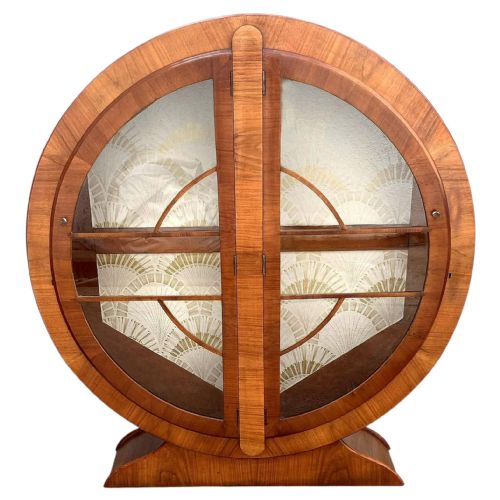
Stylistic variation runs from French Rococo and Louis-style gilt-mounted vitrines to clean-lined Art Deco circular or clove-shaped walnut cases and heavy Jacobean revival oak. Certain examples bear the marks of notable shopfitters and makers who supplied both high street merchants and private collectors.
Materials and construction
Cabinet makers relied primarily on dense hardwoods like mahogany, walnut, and oak to build sturdy frames capable of supporting heavy sheets of glass. Veneers in satinwood or walnut frequently cover secondary timbers, while marquetry inlays, brass mounts, and carved linenfold details adorn more formal domestic pieces.
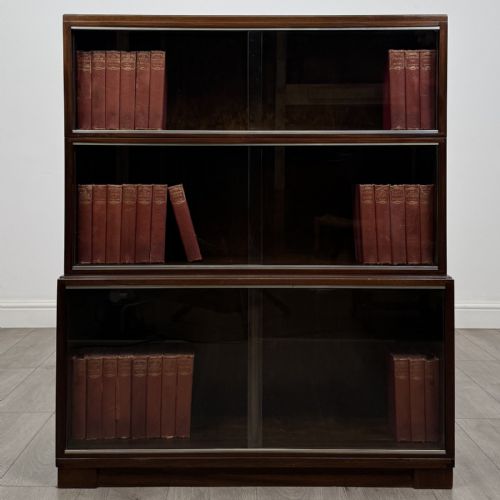
Commercial showcases and countertop cabinets often integrate sliding glass doors, brass hardware, and chrome elements alongside mirrored interiors that amplify natural light. Table top domes and cloches utilise blown glass set onto turned wooden bases to protect delicate taxidermy and decorative objects.
Vintage Display Showcase Retail Price Guide 2026
Typical asking prices for vintage display showcase among the pieces listed under this phrase on Sellingantiques today, from the lower quarter to the upper quarter. They describe what is for sale here now, not the wider market.
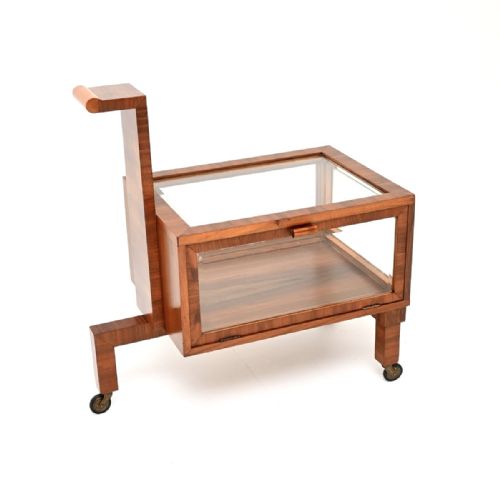
Commercial pieces include haberdashery counters, stationers cupboards, and shop display cases alongside domestic bookcases and serving carts.
Distinctions in quality
The division between standard utility furniture and top-tier pieces rests on timber selection, joinery precision, and original commercial provenance. Finer cabinets display carefully matched wood grain, crisp marquetry inlay, and high-grade brass or gilt-metal mounts rather than plain secondary woods.
Commercial pieces gain distinction through documented maker attributions, such as surviving maker plaques from established shopfitters, alongside robust mechanical details like smooth sliding mechanisms and heavy plate glass.
F. Sage & Co·Dudley & Co·Rurka
The Vintage Display Showcase Glossary
- Vitrine
- A glass-fronted cabinet designed specifically for displaying fine ceramics, glassware, or curiosities. These pieces typically feature glazed sides to maximise interior illumination.
- Haberdashery counter
- A commercial shop fixture fitted with multiple drawers or glazed compartments intended for retail merchandise. They offer practical storage with transparent viewing panels.
- Marquetry
- Decorative woodwork where thin pieces of veneer are applied to a structure to form intricate geometric or floral patterns. This technique appears frequently on Edwardian and revival furniture.
- Cloche
- A bell-shaped glass cover set over a base to protect delicate items like taxidermy or clocks from dust. They serve as transparent display covers.
- Linenfold
- A style of wood carving that mimics the appearance of folded linen fabric. It is commonly found on panels of early twentieth-century oak cabinets.
Vintage Display Showcase: Frequently Asked Questions
What is a vitrine?
A vitrine is a glazed display cabinet created to showcase decorative objects, porcelain, and curiosities while protecting them from dust. The glass panels on the front and sides allow light to enter from multiple angles.
These pieces range from ornate French revival models with gilt mounts to restrained Edwardian cabinets in polished mahogany.
How do I date an oak display cabinet?
Dating relies on observing stylistic markers, hardware, and construction techniques present in the woodwork. Edwardian and 1910s examples frequently feature linenfold carving or simpler Edwardian inlay.
Later pieces from the 1920s and 1930s tend toward Art Deco geometries, ebonised finishes, or the streamlined use of chrome alongside traditional oak.
Where were shop display counters used?
Shop display counters originated in nineteenth-century and early twentieth-century retail environments to merchandise dry goods, stationery, and haberdashery. Merchants used the glazed tops and fronts to entice customers while keeping stock secure.
Today, these substantial timber and glass counters find a second life in domestic kitchens and living spaces as islands or storage buffets.
What is a display dome used for?
Display domes and cloches protect fragile decorative items, clocks, and taxidermy specimens from dust and handling. The blown glass cover lifts away from a wooden or fabric-covered base to grant access.
They were particularly popular during the Victorian and Edwardian periods for preserving delicate interior arrangements.