



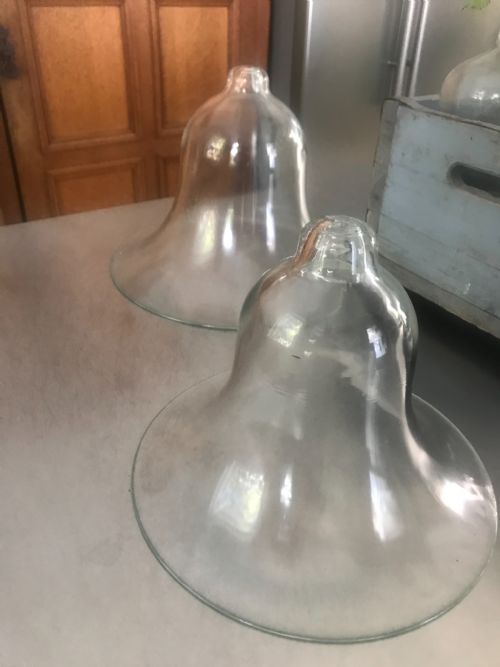


Vintage Display Dome
A vintage display dome turns an ordinary ornament into a preserved centrepiece.
Vintage Display Dome
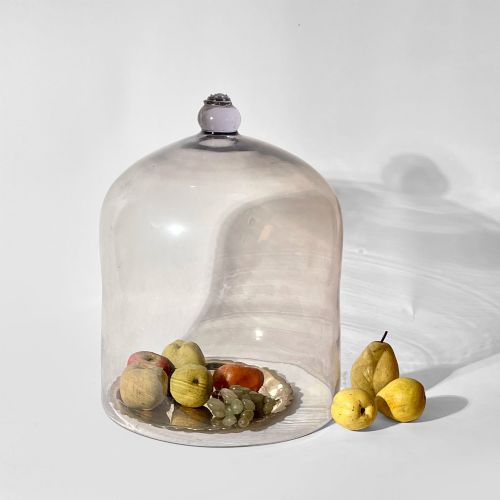
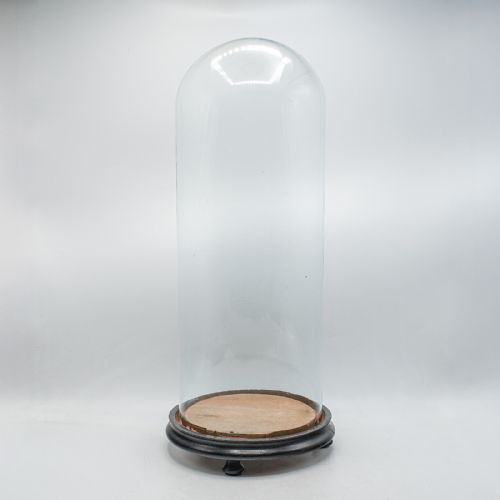
A vintage display dome offers a transparent bell of glass paired with a sturdy base, designed to protect and highlight delicate objects. You will frequently encounter specimens originally built during the Victorian and Edwardian eras, spanning simple circular shapes to wide oval forms.
These pieces primarily serve as showcases for taxidermy birds, botanical specimens, and still-life arrangements. The listings demonstrate a heavy presence of English glass cloches and tall ornamental display cases intended for interior decoration.
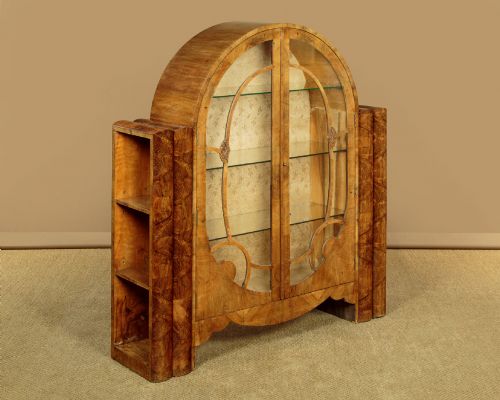
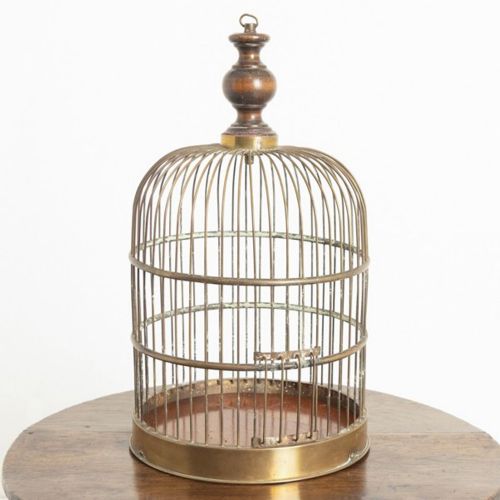
Beyond standard glass domes, the selection extends to related decorative objects like brass bird cages and wooden display cabinets. Each variation provides a distinct method for housing treasured keepsakes away from dust.
How they were made
Interior elements incorporate fabric layers such as velvet and felt to cushion specimens and provide a contrasting background for display. Craftspeople fitted these components together to create enclosed micro-environments for fragile items.
Vintage Display Dome Retail Price Guide 2026
Typical asking prices for vintage display dome among the pieces listed under this phrase on Sellingantiques today, from the lower quarter to the upper quarter. They describe what is for sale here now, not the wider market.
Listings feature periods from the Victorian and Edwardian eras alongside nineteen-thirties examples, utilising materials such as ebonised wood, brass, and velvet.
What varies in quality
The clarity and thickness of the blown glass define the upper tier of these pieces, alongside the precision of the wooden base construction. Superior examples feature well-turned timber and unblemished glass surfaces that offer undistorted viewing.
The integration of supportive interior linings, such as fitted velvet or felt pads, separates simpler versions from elaborate botanical or taxidermy showcases. Proportion and scale also dictate value, with tall or wide formats requiring greater skill to manufacture.
James Gardner
The Vintage Display Dome Glossary
- Cloche
- A bell-shaped glass cover traditionally used in gardening or display to protect delicate items. These transparent vessels form the primary component of most display domes.
- Taxidermy dome
- A glass enclosure specifically utilised to house preserved animals or birds. These showcases protect biological specimens from dust and humidity.
- Ebonised wood
- Timber treated with a finish to imitate ebony. This dark material frequently forms the base of Victorian display cases.
- Collector's dome
- A specialised glass cover designed to display botanical, geological, or horological specimens. These enclosures often accommodate clocks or plant matter.
Vintage Display Dome: Frequently Asked Questions
What fits inside a display dome?
Traditional contents include taxidermy birds, botanical specimens, still-life fruit arrangements, and small clocks.
Modern interiors often utilise these glass covers for sculptural objects, minerals, or dried flowers.
How do I clean a glass dome?
Use a soft, lint-free cloth and mild glass cleaner on the exterior surface while the dome rests on a stable table.
Exercise caution when lifting the heavy glass cover from its wooden base to avoid accidental chipping.
Are these domes original Victorian pieces?
Many examples date from the Victorian and Edwardian periods, typically constructed between the mid nineteenth century and nineteen ten.
Later variations extend into the nineteen thirties with Art Deco cabinetry and alternative display formats.
Can the glass be separated from the base?
Most antique domes feature a removable glass bell that simply rests within a groove on the wooden or fabric-covered base.
Some specialised clock cases or larger cabinets integrate fixed glass panels secured within wooden frames.