




Vintage Display Bowl
A vintage display bowl brings historic craft and colour to a room, holding surfaces and centres with patterned porcelain, glazed earthenware or carved alabaster.
Vintage Display Bowl
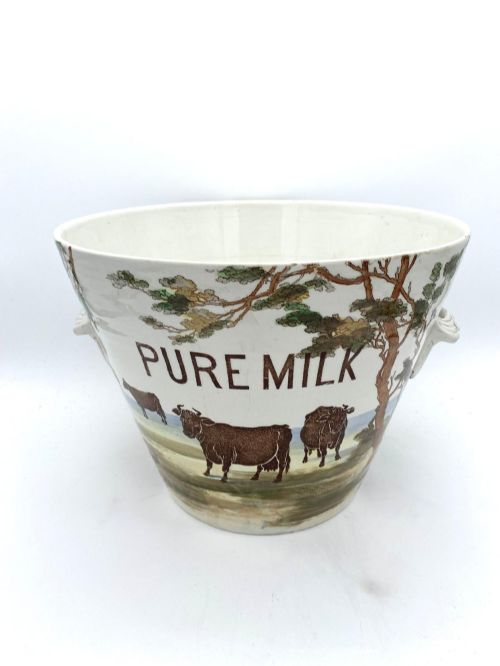
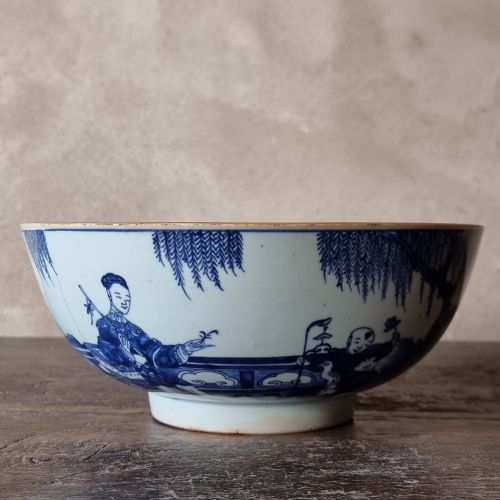
A vintage display bowl encompasses decorative bowls, plates, dishes, chargers and table lamps drawn from centuries of ceramic and decorative traditions. When searching for a vintage display bowl, buyers encounter pieces intended primarily for visual impact rather than domestic service, spanning 17th-century Japanese Arita wares to Edwardian ceramics.
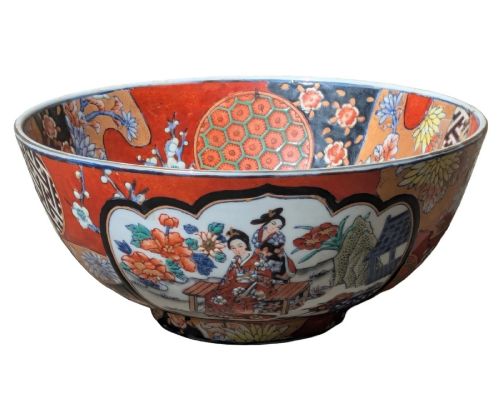
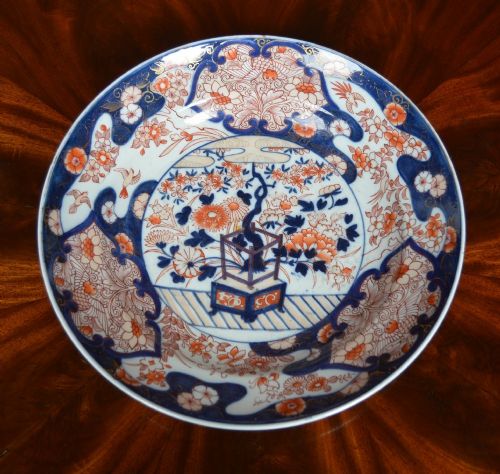
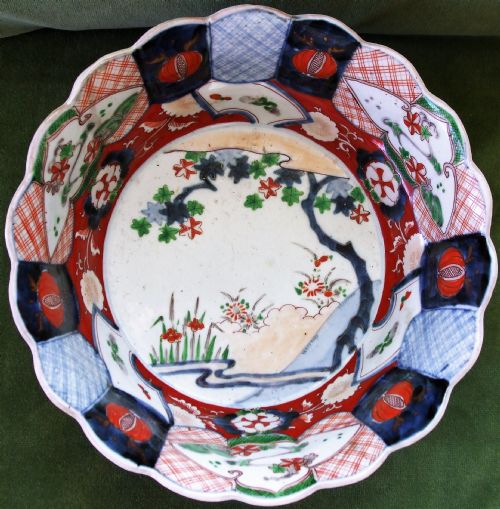
The selections on this page draw heavily from Japanese Imari porcelain alongside British porcelains from factories like Royal Worcester and Wedgwood. Forms range from scallop-edged dishes and hexagonal bowls to large punch bowls and monumental Satsuma pieces.
Origin periods extend from the 17th century through the Victorian and Edwardian eras into the 20th century. Buyers will find both Asian export ceramics and European decorative vessels designed to command attention on tables and sideboards.
How they were made
Makers utilised porcelain, earthenware, and glass, applying cobalt glaze, enamel, and gold leaf to enrich the surface. Japanese Imari pieces combine cobalt blue and iron red underglazes, sometimes finished with gilding.
Carved alabaster and marble feature in Italian Grand Tour items, while cloisonne enamel relies on soldered metal wires forming cells filled with coloured paste. British factories applied hand-painted naturalistic motifs over glazes, requiring precise kiln work to fix delicate colours.
Vintage Display Bowl Retail Price Guide 2026
Typical asking prices for vintage display bowl among the pieces listed under this phrase on Sellingantiques today, from the lower quarter to the upper quarter. They describe what is for sale here now, not the wider market.
Listings feature porcelain, earthenware, alabaster, glass and copper across periods from the 17th century to the 1960s.
What varies in quality
Quality rests in the crispness of the hand-painting, the depth of the glaze, and the ambition of the form. Pieces featuring hand-painted botanical studies or intricate battle scenes by named artists command greater regard than standard transfer-printed wares.
The weight and stability of the material matter significantly, seen in the solidity of carved alabaster bases or the precise potting of a heavy Arita bowl. Condition preservation also separates examples, as pristine enamel and intact gold leaf elevate a piece above those showing heavy wear.
Royal Worcester·Wedgwood·Royal Doulton·St Louis glassworks·Kinkozan Kyoto
The Vintage Display Bowl Glossary
- Imari
- A style of Japanese porcelain decorated in underglaze blue, iron red, and gold, named after the port from which the wares were exported. It became immensely popular in European interiors during the 19th century.
- Charger
- A large decorative plate intended for display on a sideboard or wall rather than for dining use. These pieces often feature elaborate painted or enamelled scenes.
- Lustreware
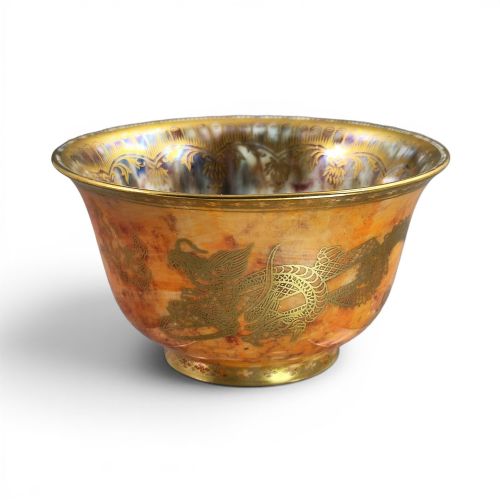
- Pottery glazed with a metallic film that gives an iridescent sheen. Wedgwood Fairyland Lustre pieces demonstrate this technique with vivid mottled orange or patterned finishes.
- Satsuma
- A type of Japanese earthenware characterised by a ivory crackle-glaze and detailed polychrome enamel painting. Monumental examples often depict historical battles or figures.
- Arita
- The Japanese town where porcelain production originated in the 17th century. Wares from this centre supplied early export markets.
Vintage Display Bowl: Frequently Asked Questions
What is a display bowl used for?
These pieces were made to decorate rooms, placed on tables, sideboards or mantels to catch the eye rather than to serve food.
They bring colour, pattern and historical craftsmanship into domestic spaces as focal points.
How do I identify Japanese Imari?
Japanese Imari is recognised by its distinctive palette combining cobalt blue, iron red and gold leaf on porcelain.
Designs typically feature floral, bird or landscape motifs arranged in panels across the surface.
What is the difference between porcelain and earthenware?
Porcelain is fired at very high temperatures, producing a dense, vitreous and sometimes translucent body that resists liquid.
Earthenware is more porous and opaque, requiring a complete glaze to hold water.
How should I clean a vintage bowl?
Dust gently with a soft, dry cloth to protect delicate enamels, gold leaf and painted surfaces.
Avoid submerging pieces with metallic decoration or historic repairs in water.