
Vintage Dining Accessories
Vintage dining accessories bring table settings of the past to life through solid sterling silver, silver plate, and wood.
Vintage Dining Accessories
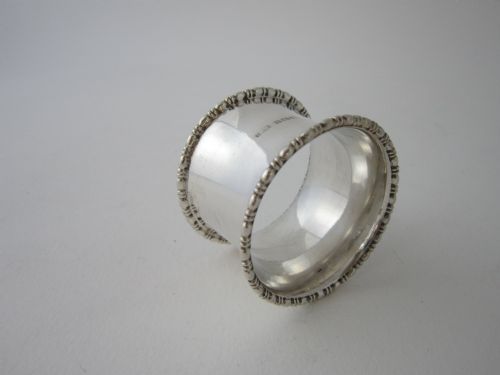
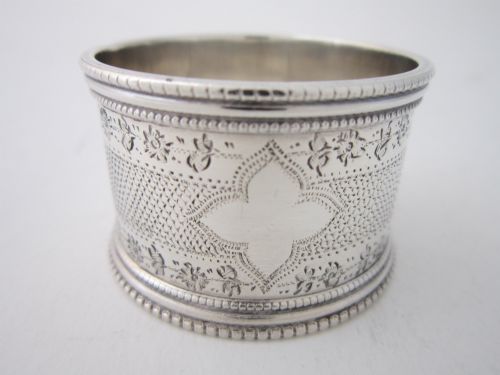
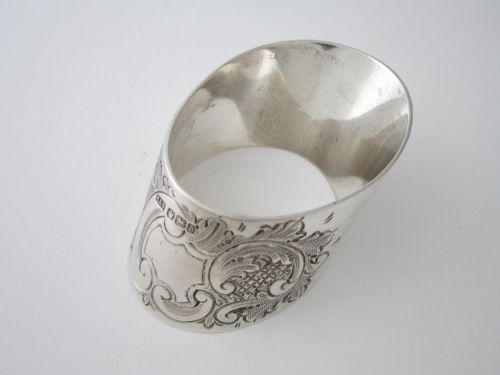
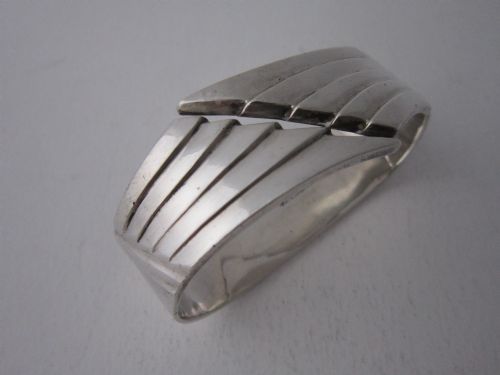
Vintage dining accessories comprise functional items for the table and bar, spanning napkin rings, cruet sets, toast racks, and knife rests. These pieces reflect formal dining rituals from the Victorian, Edwardian, and mid-century periods.
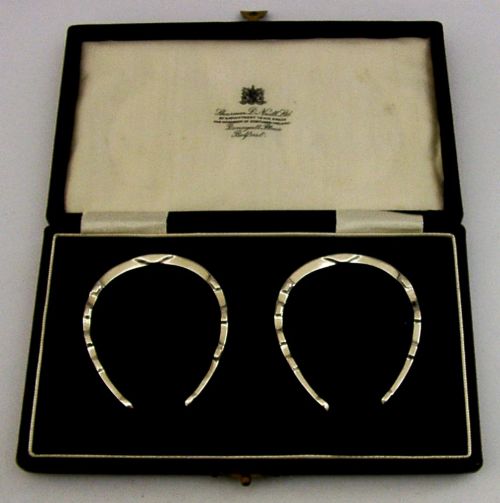
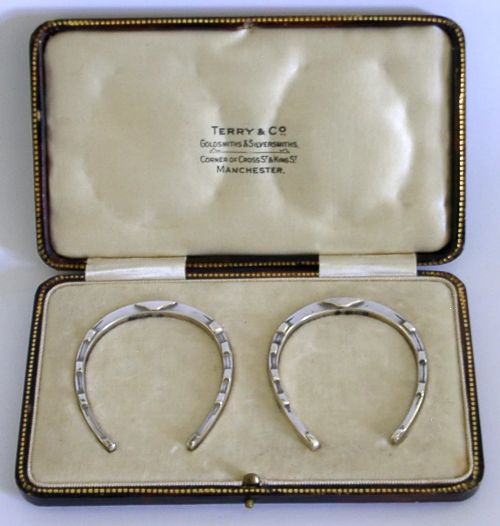
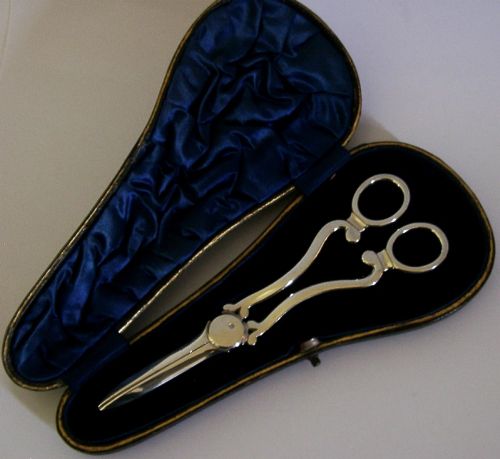
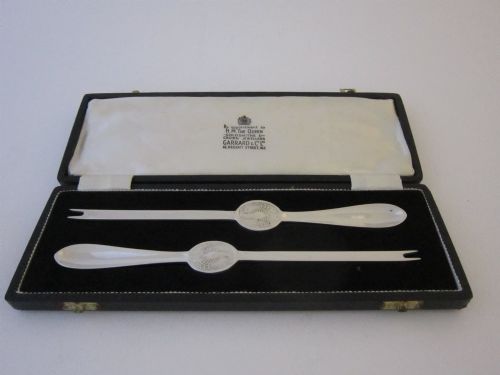
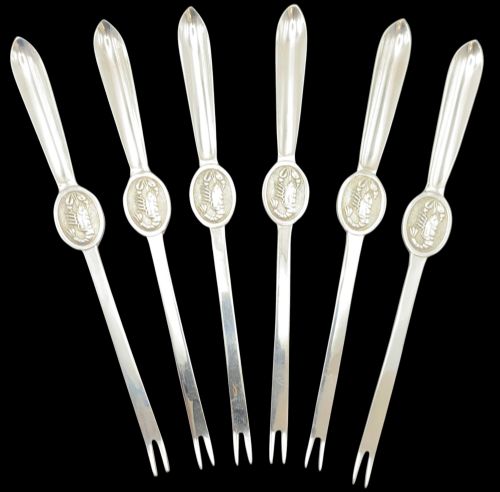
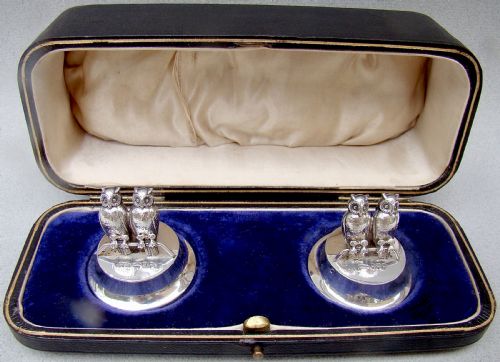
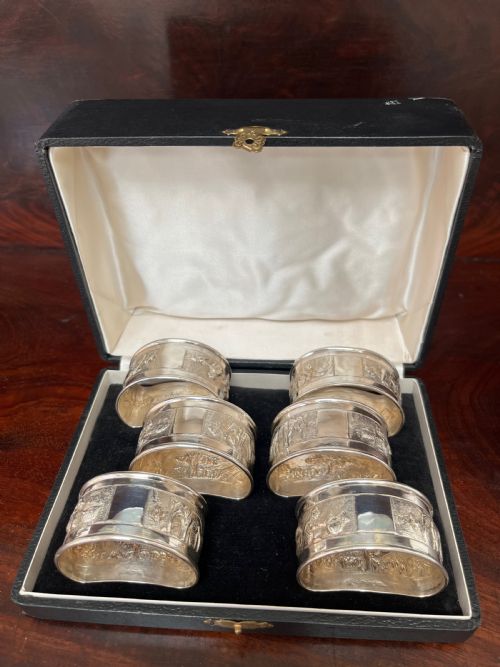
Napkin rings and menu holders appear frequently, often surviving in fitted velvet or silk-lined presentation cases. Collectors also encounter specialised serving tools like grape shears, lobster picks, and marrow scoops.
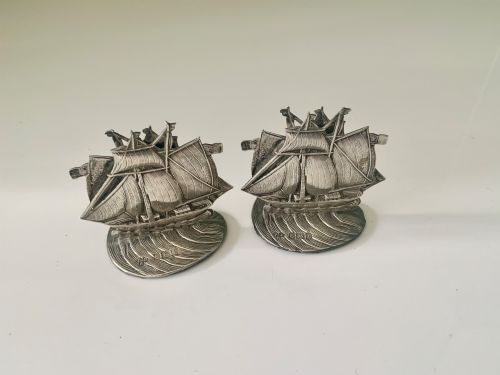
The selection ranges from traditional British silver designs to Art Nouveau pewter and Art Deco creations. Maker marks and assay office stamps frequently anchor these objects to specific decades between the nineteenth and twentieth centuries.
Materials and Technique
Silversmiths utilised solid sterling silver and silver plate over base metals, shaping them through casting, piercing, and hammering. Wood, glass, and leatherette appear in supporting roles for items such as bottle cradles, condiment liners, and storage cases.
Design details rely heavily on hand-engraved motifs, cast figural elements like owls and horseshoes, and applied borders. Artisans applied traditional metalworking techniques to produce both utilitarian items and decorative table accents.
Listings span periods from the Georgian era through the mid-twentieth century, featuring sterling silver, silver plate, pewter, and mahogany.
Design and Execution
Quality rests in the crispness of cast details and the integrity of structural joins, particularly on hinged or figural items. Weight and gauge of metal distinguish heavier bespoke pieces from lighter mass-produced alternatives.
The survival of original fitted boxes and clear hallmarks elevates the standing of an item. Superior examples demonstrate careful chasing and balanced proportions across matching sets.
Levi & Salaman·R. E. Stone·Christofle Gallia·Georg Jensen·Orivit
The Vintage Dining Accessories Glossary
- Sterling silver
- A silver alloy containing 92.5 percent pure silver by mass, standard for quality British tableware. This composition ensures durability for items subject to regular handling.
- Silver plate
- A layer of silver applied to a base metal core, such as copper or nickel brass. This technique offered an accessible alternative to solid silver for large dining suites.
- Cruet set
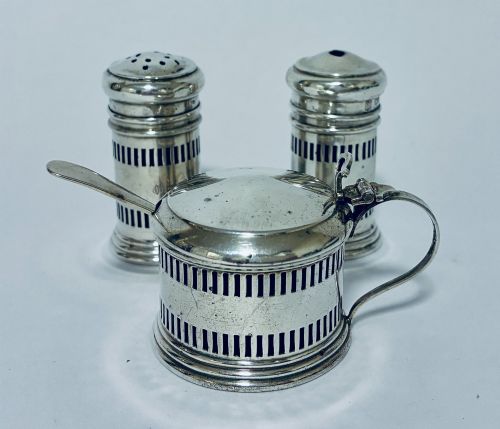
- A matched collection of small containers for holding table condiments like salt, pepper, and mustard. These sets often sit on dedicated silver or wooden stands.
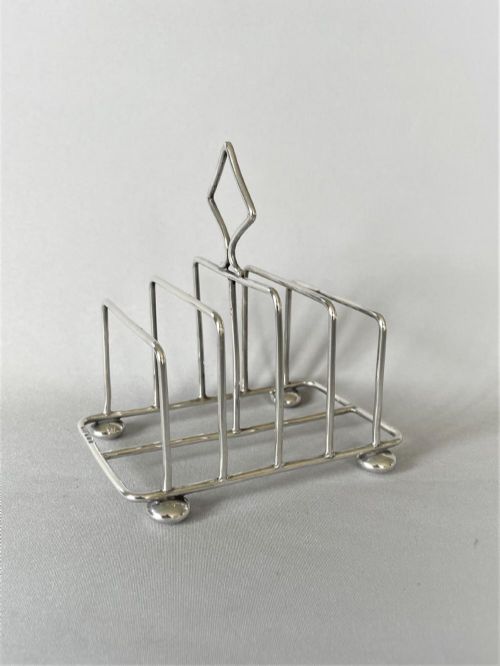
- Toast rack
- A small metal frame designed to hold slices of toast upright to prevent condensation from softening the bread. They typically feature arched dividers and a central carrying loop.
- Assay office
- An official body that tested precious metals and stamped items with hallmarks to guarantee purity. British marks include symbols for London, Birmingham, and other regional centres.
Vintage Dining Accessories: Frequently Asked Questions
How were silver napkin rings used?
Napkin rings identified individual places at the dinner table during multi-course meals where napkins were reused between sittings.
Families stored them in fitted boxes between formal gatherings, often marking them with monograms or dates to denote ownership.
What is the purpose of knife rests?
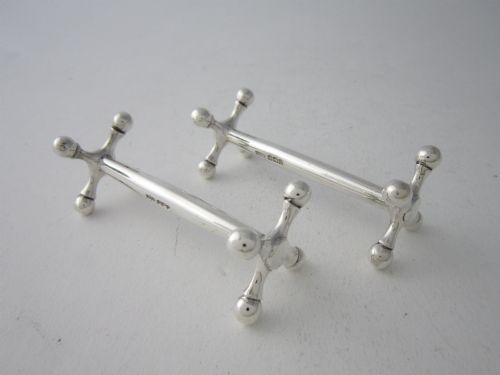
Knife rests kept carving knives and dining blades elevated above the tablecloth between courses to prevent staining.
Hosts placed them beside each setting, utilising figural designs shaped as animals or architectural motifs.
How do I date antique silver?
Assay office hallmarks and date letters stamped onto the metal provide the exact year of manufacture for British pieces.
Makers' marks alongside these symbols point to the specific silversmith or workshop responsible for the creation.
How do I care for silver table accessories?
Regular dusting and gentle cleaning with a specialised silver cloth preserve the metal finish without stripping the patina.
Storing items in dry environments away from direct sunlight prevents tarnishing and protects silk or velvet linings in original boxes.