
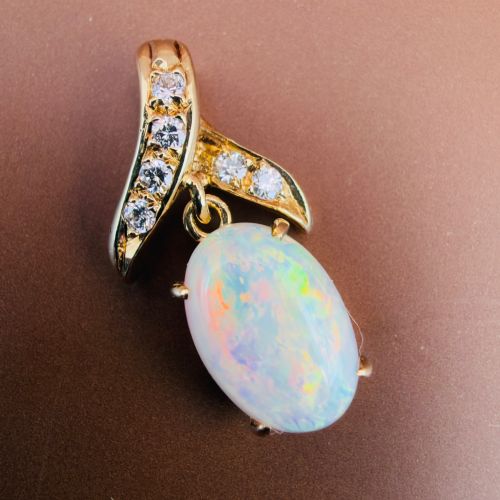


Vintage Diamond Cluster Pendant
A vintage diamond cluster pendant brings together central gems and surrounding stones in a compact form that sits close to the collarbone.
Vintage Diamond Cluster Pendant
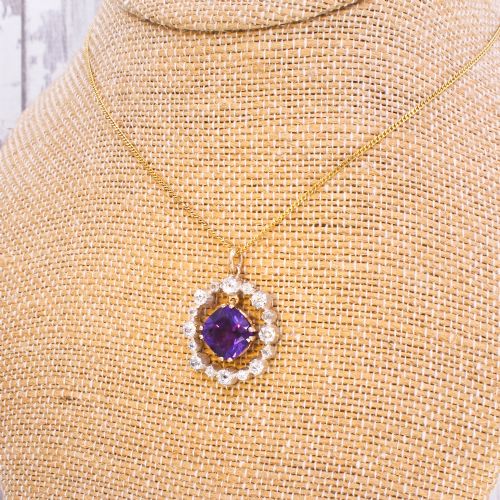
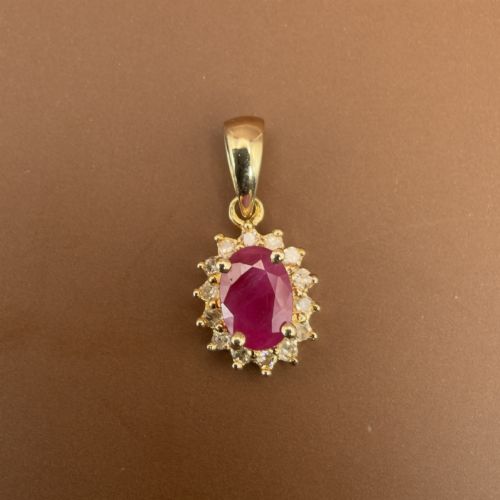
A vintage diamond cluster pendant gathers multiple stones into a focused arrangement, often centring a coloured gem or a diamond within a border of smaller diamonds. When looking for a vintage diamond cluster pendant, buyers encounter pieces spanning the Victorian and Edwardian eras through the Art Deco period and mid-century decades. These ornaments appear in gold, platinum, and silver, taking forms that range from floral motifs to geometric geometry.
The selections available include items created in the nineteen-fifties and nineteen-sixties alongside older Edwardian and Victorian works. Alongside dedicated pendants, the listings incorporate convertible brooches and drop necklaces that share the characteristic cluster formation. Origins stretch across British and continental workshops, displaying traditional craftsmanship from distinct historical periods.
Materials and construction methods
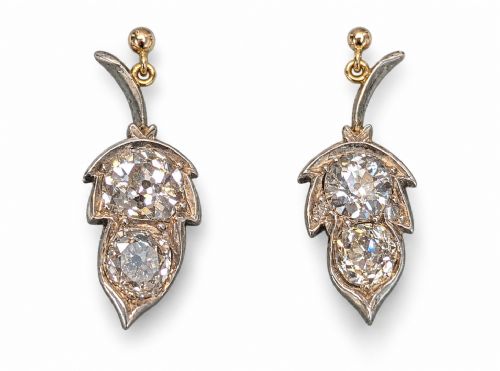
These items rely on precious metals including nine-carat and eighteen-carat gold, platinum, and silver to set the stones securely. Metalwork techniques involve claw settings and collet mountings designed to maximise the light entering old cut, rose cut, and modern brilliant cut diamonds.
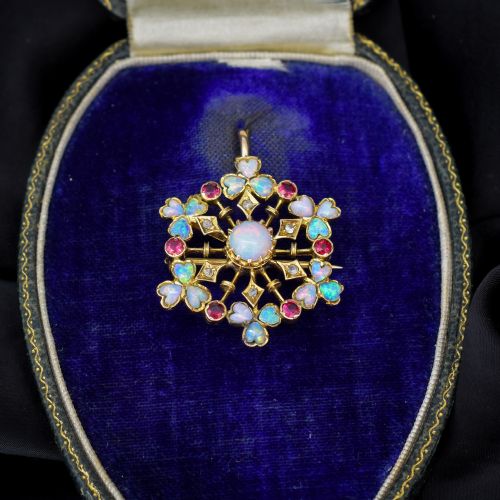
Coloured gemstones such as rubies, emeralds, sapphires, amethysts, opals, and aquamarines are integrated into the metal frames alongside the diamond borders. The structural assembly often combines yellow or white gold with platinum highlights to contrast the stones.
Among the cluster arrangements sit whimsical creations including an elephant form alongside more traditional floral and starburst motifs.
Distinctions in construction and stone selection
Quality depends on the precision of the stone setting and the matching of the central gem to its surrounding diamond cluster. Finer examples display balanced proportions where the metalwork supports the stones without obscuring their facets.
The grade of the materials, from the clarity of the diamonds to the saturation of companion gems like rubies or emeralds, dictates the overall impact of the piece. Superior execution ensures that the reverse of the pendant or mount maintains clean lines and secure joins.
Hirsch and Oppenheimer
The Vintage Diamond Cluster Pendant Glossary
- Cluster
- A stone arrangement featuring a central gem encircled by a border of smaller stones. This format creates a larger visual presence than a single gem of the same size.
- Old cut
- A diamond cutting style typical of nineteenth and early twentieth-century jewellery, characterised by a smaller table and a high crown that catches candlelight effectively.
- Rose cut
- A historic diamond cut featuring a flat base and a domed crown with triangular facets, resembling an unopened rosebud.
- Platinum
- A dense, durable white metal utilised in fine jewellery to hold stones securely with minimal visible metal.
Vintage Diamond Cluster Pendant: Frequently Asked Questions
What is a cluster pendant?
A cluster pendant is a necklace ornament featuring a primary gemstone encircled by smaller accent stones, typically diamonds.
This configuration maximises the sparkle and colour impact within a single focal point.
How do I date a vintage pendant?
Dating relies on stylistic clues, metal types, and stone-cutting techniques characteristic of periods like the Edwardian era or the nineteen-fifties.
Examining the chain attachments and the construction of the reverse side also offers clues to the era of manufacture.
What metals are used in these pendants?
These pieces utilise various purities of gold, including nine-carat and eighteen-carat, alongside platinum and silver.
White gold and platinum are common in mid-century and Art Deco designs, while yellow gold appears across multiple decades.
Can I wear a cluster pendant daily?
Pendants experience less physical wear than rings, making them suitable for regular rotation when handled with reasonable care.
Secure settings and robust chains ensure the piece remains safe during daily activities.