

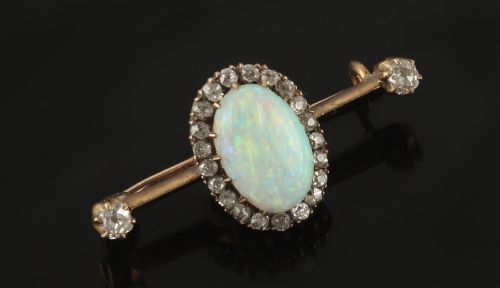


Vintage Diamond Bar Pin
A vintage diamond bar pin brings linear elegance and period craftsmanship to the lapel.
Vintage Diamond Bar Pin
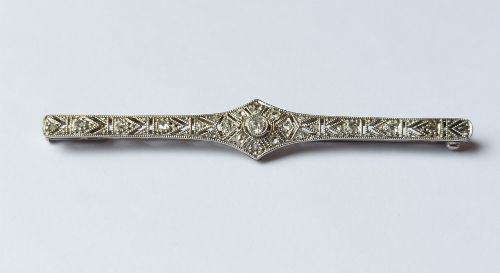
A vintage diamond bar pin is a slender horizontal brooch designed to secure garments while displaying finely set gemstones. When searching for a vintage diamond bar pin, collectors encounter pieces spanning from the Victorian and Edwardian eras through the Art Deco period and mid-century design. The Art Deco examples and Edwardian platinum-topped interpretations dominate the selection, bringing geometric rigidity or delicate openwork garlands to the surface.
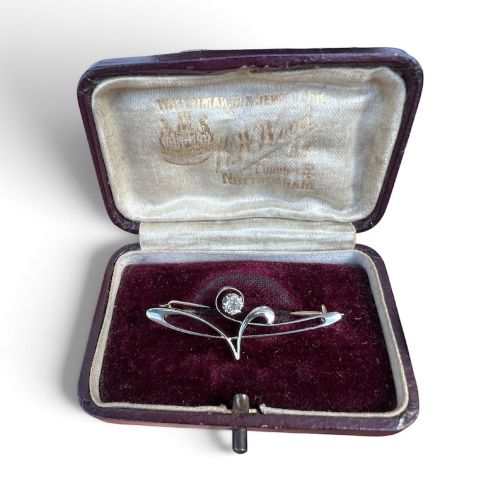
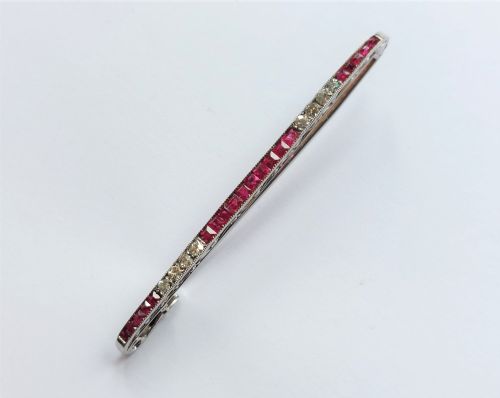
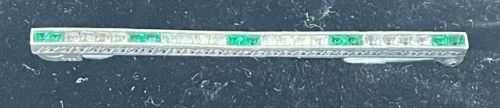
These jewels range from simple gold rods set with a solitary old cut diamond to complex platinum structures incorporating rubies, sapphires, emeralds, pearls, and onyx. The form adapts from strict geometric bars to pictorial motifs including insects, swallows, ducks, and bicycles. Buyers find these ornaments serving both a decorative function on coats and scarves and a historic role as wearable art from the early twentieth century.
Materials and Construction Techniques
The construction relies heavily on the pairing of platinum with yellow gold, white gold, or silver, where platinum provided the structural strength required for delicate millegrain edges and intricate pierced galleries. Goldsmiths utilised traditional box settings and bezel mounts to secure old cut diamonds alongside rubies, sapphires, and natural pearls.
Metalworking methods evolved from the warm yellow and rose gold foundations of the Victorian and Edwardian periods toward the crisp white gold and platinum dominance of Art Deco design. Stone-cutting techniques of the era, particularly old European cuts and rose cuts, delivered the characteristic soft scintillation seen across these pieces.
Whimsical animal motifs transform simple geometric bars into flying ducks, climbing insects, and bicycles.
Distinctions in Quality
Quality in a vintage diamond bar pin rests upon the precision of the metalwork and the integration of the stones. Finer pieces demonstrate meticulous hand-pierced gallery work, sharp millegrain decoration, and secure claw or flush settings that hold diamonds and coloured gems without excess metal bulk.
The selection of the diamonds themselves, alongside complementary stones such as natural pearls, rubies, or sapphires, dictates the upper tier of the range. Master jewellers balanced the proportions of the central gems against the length of the bar, ensuring structural integrity alongside visual harmony.
The Vintage Diamond Bar Pin Glossary
- Millegrain
- A decorative technique featuring a row of tiny raised metal beads along the edge of a setting. This finish softens the transition between metal and stone in Edwardian and Art Deco pieces.
- Old European Cut
- A round diamond cut prevalent in the nineteenth and early twentieth centuries characterised by a small table, high crown, and large culet facet. It produces a distinctive warm pattern of light.
- Rose-Cut
- An antique diamond cut with a flat base and a domed crown faceted into triangles. This style creates a subtle glow rather than the brilliant flash of modern stones.
- Bar Pin
- A long, slender brooch designed primarily in a horizontal orientation. The form gained immense popularity during the Edwardian and Art Deco periods for fastening lightweight fabrics.
Vintage Diamond Bar Pin: Frequently Asked Questions
How do I wear a bar pin safely?
Secure the pin through a sturdy weave of fabric such as a wool lapel, heavy scarf, or structured coat rather than delicate silk. Fastening it across a seam or backing the fabric with an extra layer distributes the weight evenly.
Ensure the safety catch or C-clasp is firmly engaged to prevent the pin from slipping free during movement. Many collectors also utilise small pin-stoppers behind the garment for added security.
How do I date a diamond bar pin?
Examine the materials, gemstone cuts, and overall design motifs to determine the era of manufacture. Platinum-topped gold, millegrain work, and old-cushion or rose-cut diamonds typically point to Edwardian origins.
Strictly geometric patterns, white gold, and calibre-cut gemstones generally indicate the Art Deco period of the nineteen twenties and thirties. Maker's marks and French control marks can also provide precise chronological clues.
Are these pins suitable for daily wear?
These pieces tolerate regular wear provided they receive appropriate care and gentle handling. Their delicate Edwardian filigree or secure platinum settings require mindfulness around heavy impacts.
Removing the brooch before participating in active tasks or storing it in a lined jewellery box preserves the stones and mechanism. Periodic checks by a specialist ensure the old cut diamonds remain secure.