





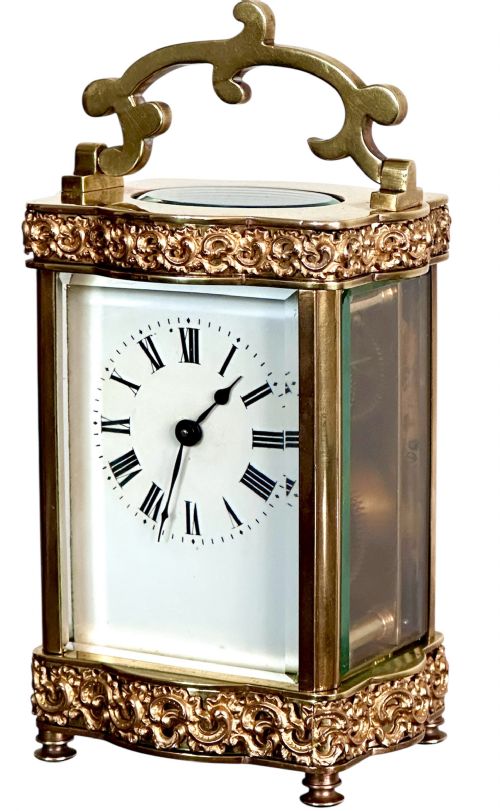


Vintage Desk Timekeeper
A vintage desk timekeeper brings mechanical presence and period elegance to a study, drawing on centuries of horological craft in brass, wood, and glass.
Vintage Desk Timekeeper
When you search for a vintage desk timekeeper, you encounter a wide selection of portable and stationary horological objects originating from the nineteenth and twentieth centuries. The listings draw heavily on carriage clocks, mantel clocks, and specialised timepieces housed in compact frames designed for desks and tables.
The objects span multiple eras, encompassing Victorian and Edwardian examples alongside Art Deco designs from the nineteen thirties. These pieces appear in distinct forms, from French brass striking mechanisms to mahogany bracket clocks and nautical hourglasses.
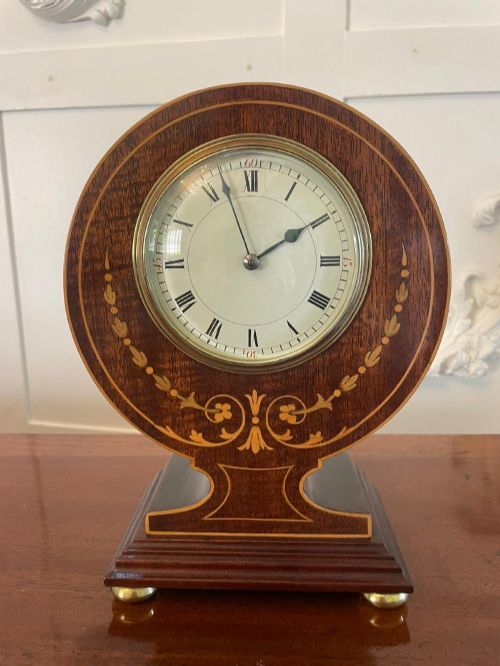
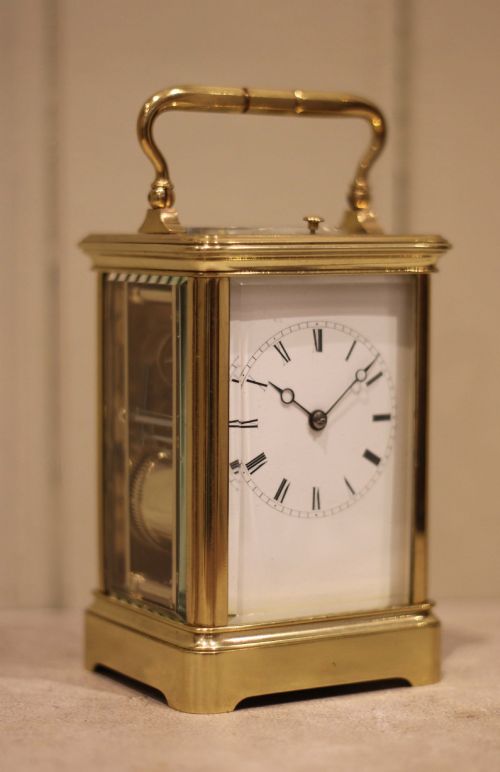
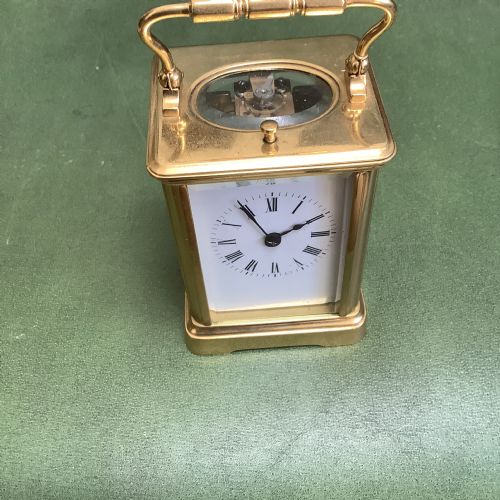
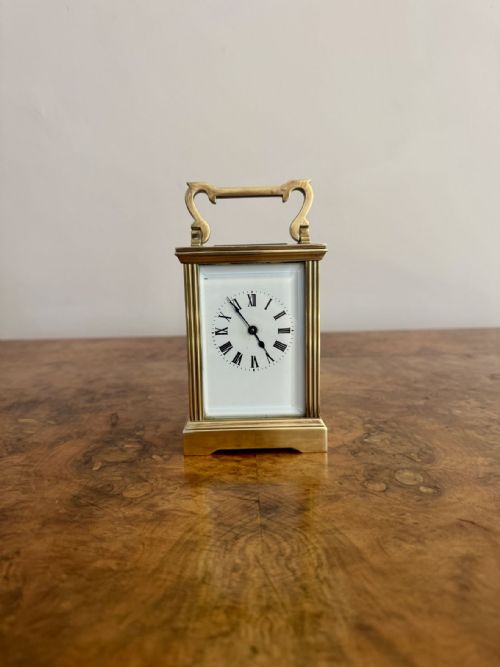
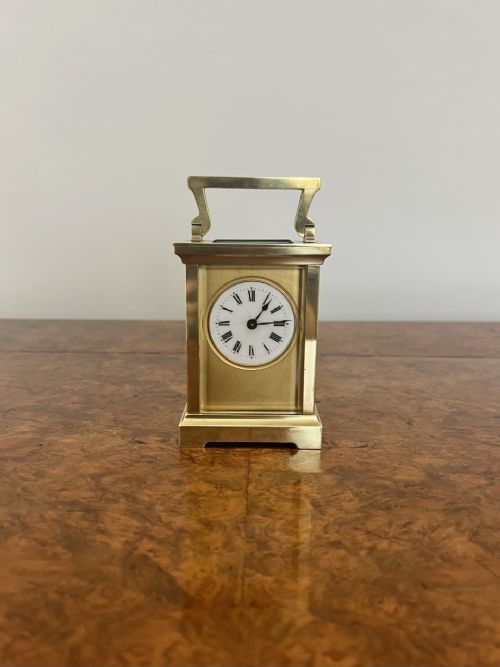
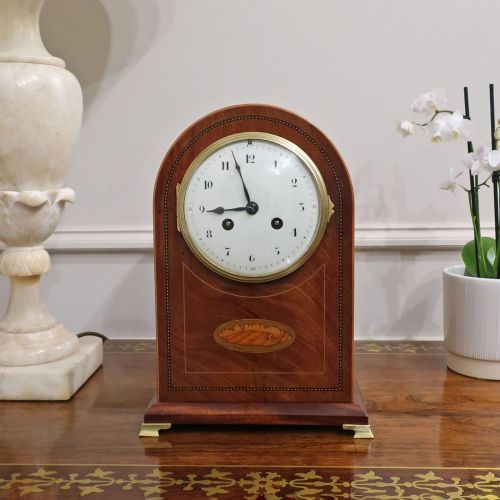
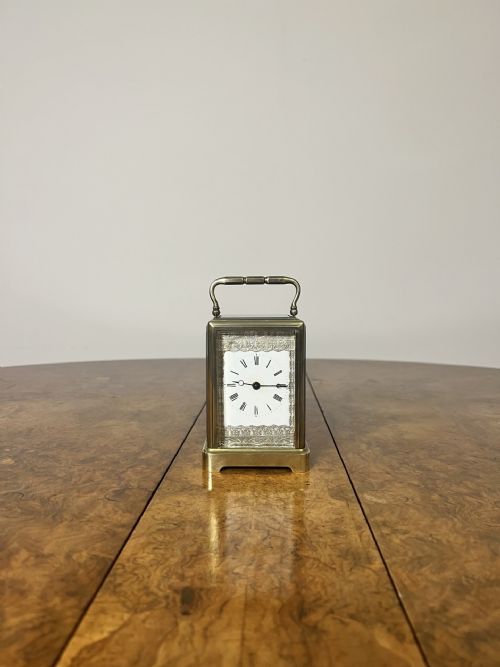
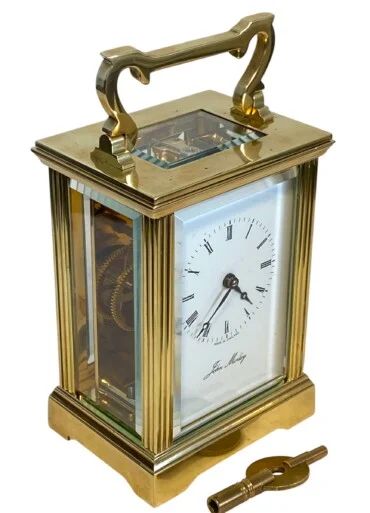
Carriage clocks dominate the selection, frequently presented in glass-panelled brass cases with repeating movements. Alongside these, wooden mantel clocks inlaid with satinwood or brass offer alternative silhouettes for domestic interiors.
Materials and Construction
The construction of these pieces relies on a combination of cast brass, gilt metal, and heavy hardwoods such as mahogany and rosewood. Enamel dials and bevelled glass panels frequently protect the inner workings, while silver and chrome appear in later twentieth-century interpretations.
Cabinetmakers and clockmakers utilised traditional joinery and metalworking techniques, incorporating hand-engraved brass cases, inlaid wooden veneers, and specialised eight-day mechanical movements. Artisans also applied decorative elements like marble bodies, Bakelite mouldings, and silver gilt finishes.
Listings for this phrase include materials ranging from heavy brass and glass to Bakelite, mahogany, satinwood, and marble across Victorian to Art Deco periods.
Assessing Horological Quality
Quality in these pieces is dictated by the precision of the movement and the integrity of the housing. Examples by noted makers or workshops often display finer engraving, superior weight in the brass cases, and more complex striking or repeating mechanisms.
The selection of materials also influences the standard of the object, with solid mahogany carcasses, heavy bevelled glass, and undamaged enamel dials marking out the more accomplished pieces in the range.
Pickford of London·John Morley·Duverdrey and Bloquel·J Batson and Son·W Burton·Piggin Norwich·Dent of London·Dwerrihouse and Bell·Walker and Hall·Smiths
The Vintage Desk Timekeeper Glossary
- Carriage clock
- A small, portable spring-driven clock originally designed for travellers in the nineteenth century. These pieces usually feature a rectangular brass case with glass panels revealing the movement.
- Fusee
- A conical pulley used in mechanical clocks to maintain an even pull on the movement as the mainspring unwinds. This mechanism ensures more accurate timekeeping throughout the power reserve.
- Mantel clock
- A decorative clock designed to sit on the shelf above a fireplace or upon a desk. They appear in diverse woods and marbles according to the period style.
- Striking movement
- A clock mechanism that chimes the hours or quarters automatically. Many carriage clocks incorporate this alongside a repeating function.
- Hourglass
- A traditional instrument with two connected glass bulbs containing sand for measuring fixed periods. Early nautical versions served specific timekeeping roles at sea.
Vintage Desk Timekeeper: Frequently Asked Questions
What is a carriage clock?
A carriage clock is a portable timepiece housed in a brass and glass case, developed in the nineteenth century for travel.
They rely on spring-driven movements and often feature handles for carrying between rooms.
How do eight-day movements work?
An eight-day movement requires winding approximately once a week to maintain continuous operation.
This mechanism reduced the frequency of winding for everyday desk use.
Are these clocks suitable for daily use?
Many mechanical desk timekeepers remain fully operational and suitable for keeping time in a modern study or office.
Gentle handling and periodic servicing help preserve their delicate internal gears.
How do I identify an Edwardian clock?
Edwardian timepieces frequently incorporate lighter wood veneers, subtle string inlay, and refined Edwardian proportions.
They bridge the heavy aesthetic of the late Victorian era and the clean lines of the twentieth century.