

Vintage Desk Sculpture
A vintage desk sculpture brings character to a working space through solid materials like bronze, marble, and onyx shaped in styles from Art Deco to the nineteenth century.
Vintage Desk Sculpture
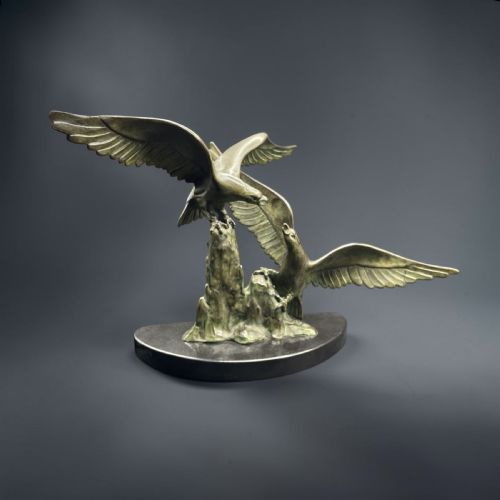
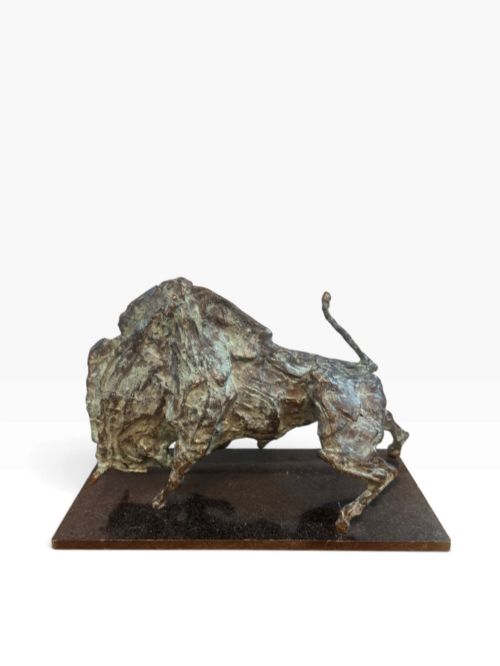
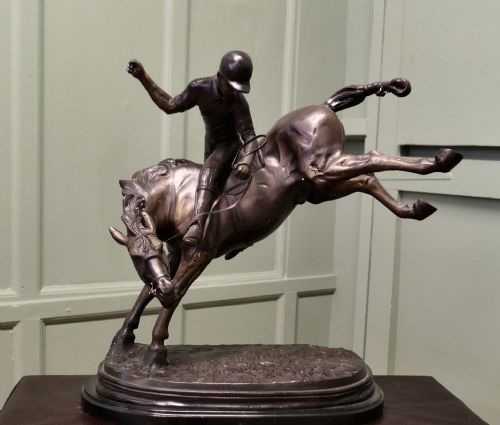
When you search for a vintage desk sculpture, you encounter a diverse array of figural and decorative pieces designed for workspaces and studies. These range from functional items like bookends, paperweights, and inkwells to standalone bronzes, busts, and animalier studies.
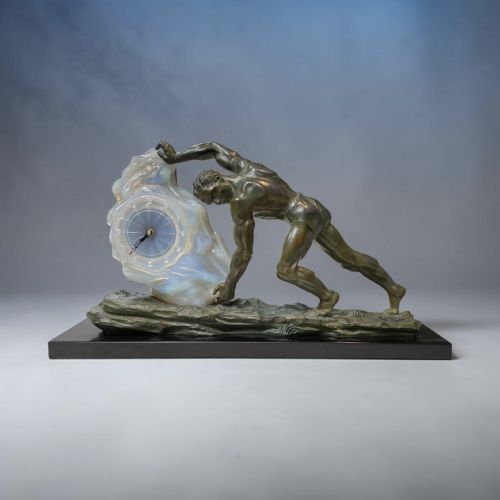
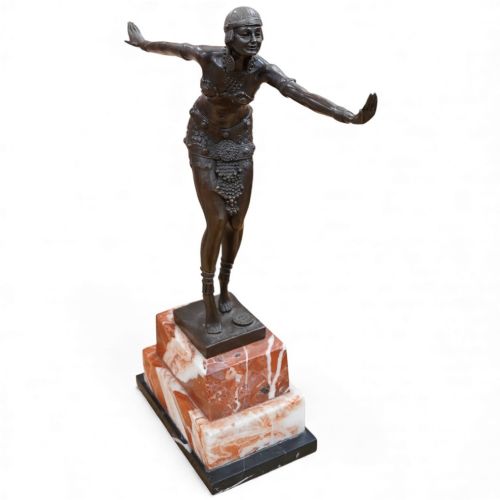
The selections span multiple eras, with strong representation from the Art Deco period alongside Victorian, Edwardian, and mid-century examples. Animal studies, human figures, and architectural Grand Tour subjects dominate the forms encountered on this page.
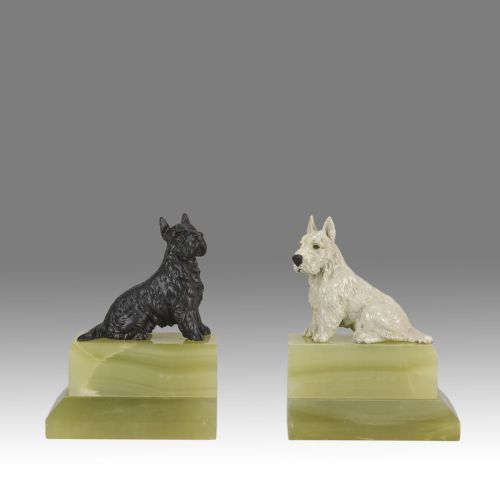
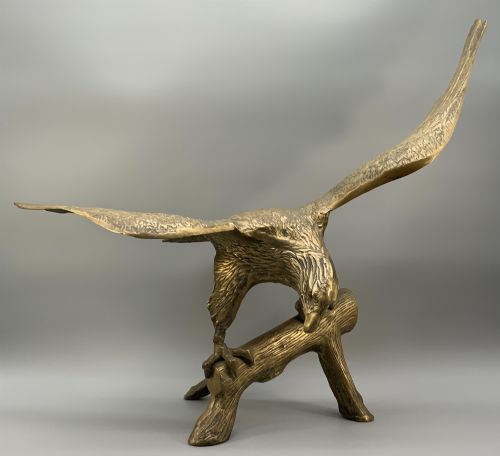
Makers and foundries from France, Austria, and Britain produced these works in varied scales to suit the executive desks and writing tables of their day. Buyers find everything from cast brass birds of prey to marble sphere paperweights and cold-painted bronze dogs.
Materials and Working Methods
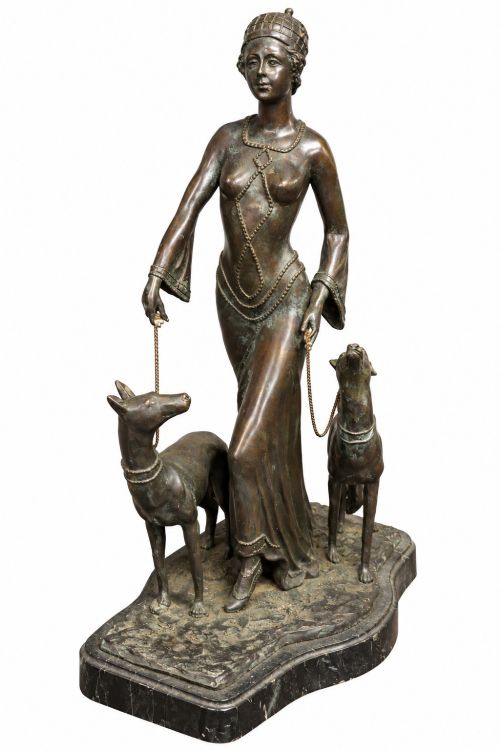
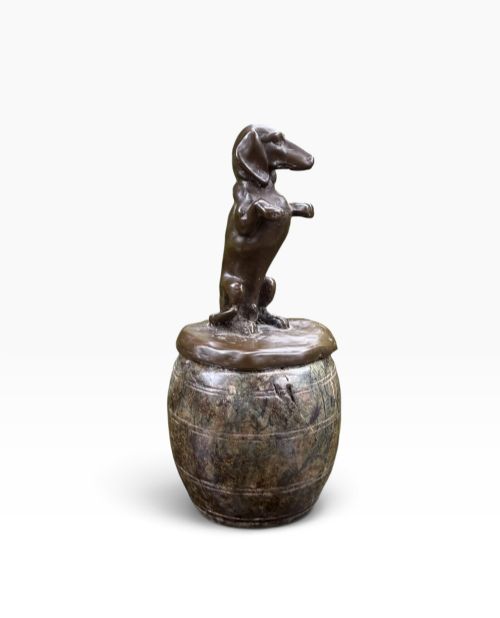
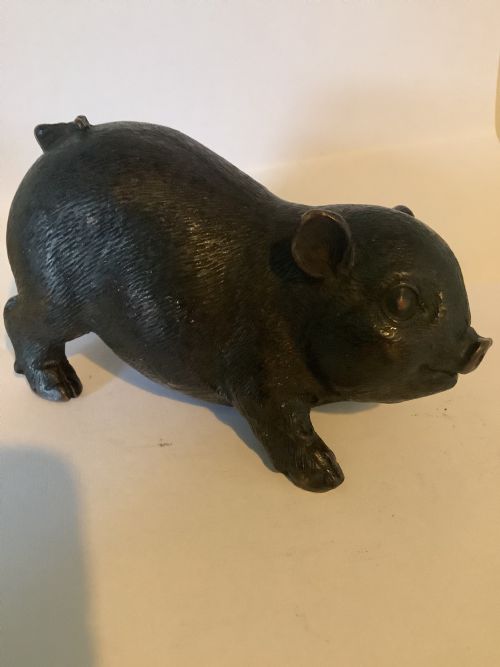
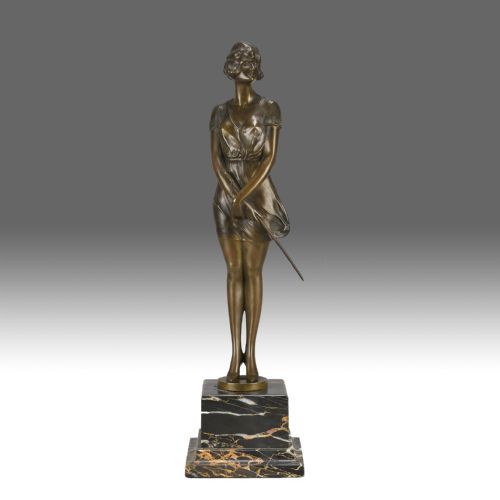
Foundries cast many of these pieces in bronze, brass, or spelter, frequently mounting the metal figures onto heavy bases of black marble, Siena marble, or onyx. Cold-painting techniques added realistic or vibrant colour to smaller bronze animals and figures.
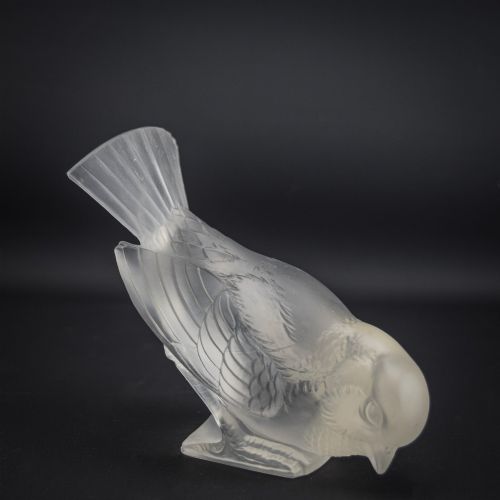
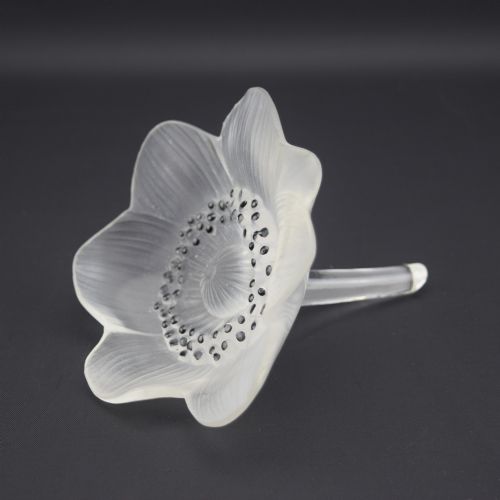
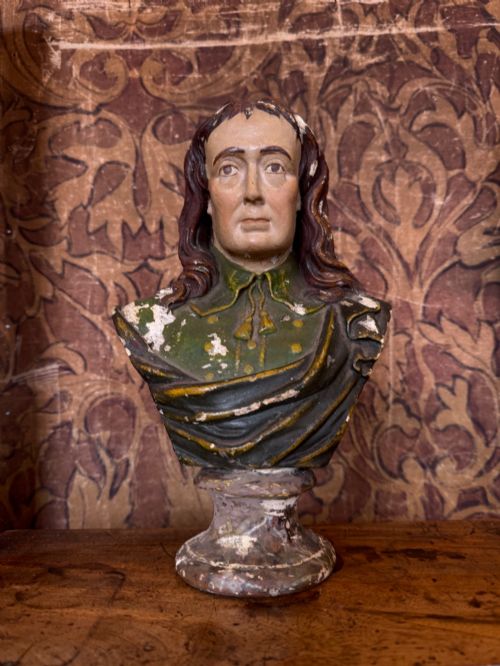
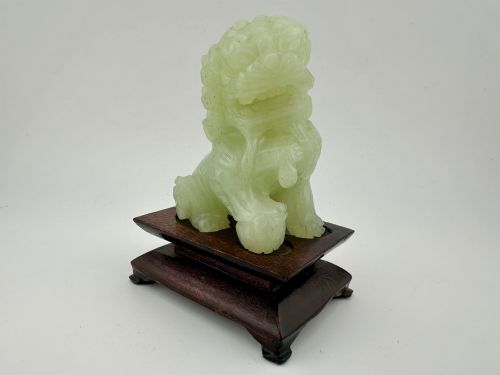
Other works utilise carved hardstones like jade, granite spheres, frosted glass for lamps and paperweights, and moulded plaster for classical busts of historical figures. Artisans combined these mixed media to give desk accessories weight and visual contrast.
Vintage Desk Sculpture Retail Price Guide 2026
Typical asking prices for vintage desk sculpture among the pieces listed under this phrase on Sellingantiques today, from the lower quarter to the upper quarter. They describe what is for sale here now, not the wider market.
Materials represented include bronze, marble, onyx, brass, frosted glass, plaster, spelter, and jade.
Distinctions in Quality
The refinement of the casting and the crispness of the chisel work separate standard commercial productions from superior artistic pieces. Master modellers achieved subtle musculature in animalier studies and expressive facial details in human figures that lesser castings miss.
The quality of the base material matters equally, as genuine veined marble or heavy onyx provides stability and a satisfying tactile weight lacking in inferior substitutes. Original patination on bronzes and intact cold-painted surfaces preserve the integrity of the piece.
Rene Lalique·Georges Gori·D.H. Chiparus·Bruno Zach·Franz Bergman·Christophe Fratin·Antoine Louis Barye·Josef Lorenzl
The Vintage Desk Sculpture Glossary
- Animalier
- A nineteenth-century artistic movement focused on the realistic depiction of animals, particularly predators and horses. Sculptors in this tradition studied anatomy closely.
- Cold-painted bronze
- A method where bronze figures were painted with oil-based paints and left unheated, a technique popular in Austrian workshops. This finish requires careful preservation.
- Spelter
- A zinc alloy frequently used as a cheaper substitute for bronze, especially during the Art Deco period. It takes patination well but feels lighter than bronze.
- Grand Tour
- Souvenirs purchased by travellers in the eighteenth and nineteenth centuries, often depicting classical architecture or famous antiquities in marble or bronze.
- Desk tidy
- A compartmentalised desk accessory used for holding stationery, pens, or stamps, often combined with a small sculpture or animal figure.
Vintage Desk Sculpture: Frequently Asked Questions
How do I identify Art Deco pieces?
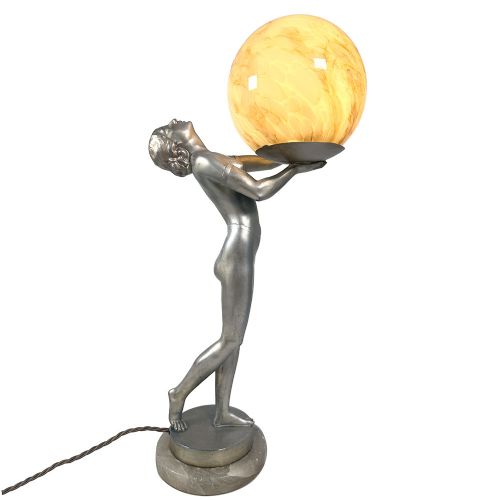
Art Deco desk sculptures from the 1920s and 1930s often feature stylized human figures, sleek animals like greyhounds and pheasants, and geometric bases. Materials such as spelter, onyx, and frosted glass are common.
Makers utilised these streamlined forms to project modernity and elegance suited to contemporary offices.
What are animalier bronzes?
Animalier bronzes depict animals in naturalistic poses, capturing movement or resting behaviour. Artists like Christophe Fratin and Antoine Louis Barye specialised in this genre.
These sculptures were cast to display the raw power or quiet grace of wildlife, resting securely on stone bases for desk placement.
How should I clean my sculpture?
Bronze and brass pieces generally require only a gentle dusting with a soft, dry cloth to protect the patination. Avoid harsh chemical cleaners or abrasive polishes.
Stone bases like marble or onyx can be wiped carefully with a slightly damp cloth and dried immediately to maintain their finish.